Blog

  • Teen Patti Master: The Ultimate Card Game Experience in 2025

    Teen Patti, a popular Indian card game, has been a favorite pastime for generations. With its online adaptations, the game has reached new heights, attracting players globally. Among the leading platforms, Teen Patti Master stands out for its seamless gameplay, interactive features, and trustworthy reputation. In this article, we’ll discuss what makes Teen Patti Master special, guide you on how to download Teen Patti Master, and explore the advancements introduced in Teen Patti Master 2025.


    What Is Teen Patti Master?

    Teen Patti Master is an online platform that brings the essence of traditional Teen Patti into the digital space. It offers players an opportunity to experience the thrill of the game with added convenience and innovative features. Whether you’re a novice or a seasoned player, Teen Patti Master caters to all skill levels, ensuring an enjoyable experience for everyone.

    Features of Teen Patti Master

    1. Real-Time Multiplayer Mode
      Compete with players from across the world in real-time, testing your skills and strategies in a competitive environment.
    2. Daily Rewards and Bonuses
      Teen Patti Master keeps the excitement alive with daily rewards, referral bonuses, and exclusive promotions for its users.
    3. User-Friendly Interface
      Its intuitive design ensures smooth navigation, making it easy for beginners and pros alike to enjoy the game.
    4. Customizable Tables and Avatars
      Players can personalize their gaming experience with various table themes and unique avatar designs.
    5. Secure and Fair Gameplay
      The platform uses advanced algorithms to ensure fair play and offers secure payment gateways for transactions.

    How to Download Teen Patti Master

    Getting started with Teen Patti Master is quick and easy. It is available for Android, iOS, and desktop devices, ensuring accessibility for all users.

    For Android Users

    1. Open the Google Play Store on your device.
    2. Search for “Teen Patti Master” in the search bar.
    3. Tap on the official app and click “Install.”
    4. Once the download is complete, open the app and create an account or log in to start playing.

    For iOS Users

    1. Visit the Apple App Store on your iPhone or iPad.
    2. Search for “Teen Patti Master.”
    3. Select the app and tap “Get” to download and install it.
    4. Open the app, register, or log in to begin your journey.

    For Desktop Users

    1. Navigate to the official Teen Patti Master website.
    2. Download the version compatible with your operating system (Windows or macOS).
    3. Follow the installation instructions.
    4. Log in or create an account to access the platform.

    What’s New in Teen Patti Master 2025?

    Teen Patti Master has continuously evolved to meet the demands of its growing user base. The 2025 edition takes the platform to a whole new level with exciting upgrades.

    1. Enhanced Graphics and Animations

    The latest version introduces stunning visuals and smoother animations, making the gameplay more immersive than ever before.

    2. Global Tournaments

    Teen Patti Master 2025 allows players to compete in international tournaments, offering significant rewards and the chance to climb global leaderboards.

    3. AI-Driven Tutorials

    New players can benefit from advanced tutorials powered by AI, which provide strategic insights and gameplay tips to improve their skills.

    4. Cross-Platform Syncing

    With cross-platform compatibility, players can seamlessly switch between devices without losing their progress.

    5. Community Features

    Engage with other players through chat rooms, forums, and social features designed to foster a sense of community within the game.


    Why Choose Teen Patti Master?

    Teen Patti Master has gained a reputation as a reliable and entertaining platform for card game enthusiasts. Here are some reasons why it’s the go-to choice for many players:

    • Authenticity: The game stays true to the traditional Teen Patti rules while incorporating modern elements.
    • Versatility: From casual matches to high-stakes tournaments, Teen Patti Master caters to every type of player.
    • Rewards: Generous bonuses and rewards keep players motivated and enhance the overall experience.
    • Security: With robust safety measures, the platform ensures a secure gaming environment for all users.

    Tips for an Enhanced Gaming Experience

    1. Practice Regularly
      Use practice modes to refine your strategies before entering competitive games.
    2. Leverage Bonuses
      Take full advantage of daily rewards and referral programs to boost your in-game resources.
    3. Engage with the Community
      Interact with other players through forums and chat rooms to share insights and learn new tactics.
    4. Play Responsibly
      Set limits on your gaming time and spending to maintain a healthy balance and ensure a stress-free experience.

    Conclusion

    Teen Patti Master offers an unbeatable blend of tradition and innovation, making it a favorite among card game enthusiasts. If you’re yet to try it, now is the perfect time to download Teen Patti Master and immerse yourself in its world of excitement and rewards. With the introduction of Teen Patti Master 2025, the platform promises an enhanced gaming experience that caters to both casual players and competitive gamers alike. Join the millions of players worldwide and become part of this thrilling card game revolution!

  • When Your Water Heater Starts Acting Up: Repair, Replacement, and Service Tips Every Homeowner Should Know

    When Your Water Heater Starts Acting Up: Repair, Replacement, and Service Tips Every Homeowner Should Know

    A warm shower after a long day feels like one of life’s simplest comforts. That is, until the water turns cold unexpectedly or the heater starts making strange noises from the corner of your basement or utility room. Most homeowners don’t think about their water heater very often — it quietly does its job every day. But when something goes wrong, it quickly becomes one of the most important systems in the house.

    Knowing when to repair, replace, or maintain your water heater can save you money, prevent inconvenience, and help you avoid a complete system failure at the worst possible time. The good news is that many common issues can be identified early with a little attention.

    Recognizing the Signs of Water Heater Problems

    Water heaters usually give warning signs before they stop working completely. A sudden drop in water temperature, unusual sounds, rusty-colored water, leaks, or longer heating times are all signals that something may need attention.

    Sometimes the problem is simple, like a faulty thermostat or sediment buildup inside the tank. Other times, the unit may be reaching the end of its useful life. Ignoring these signs often leads to bigger problems, including water damage or higher energy bills.

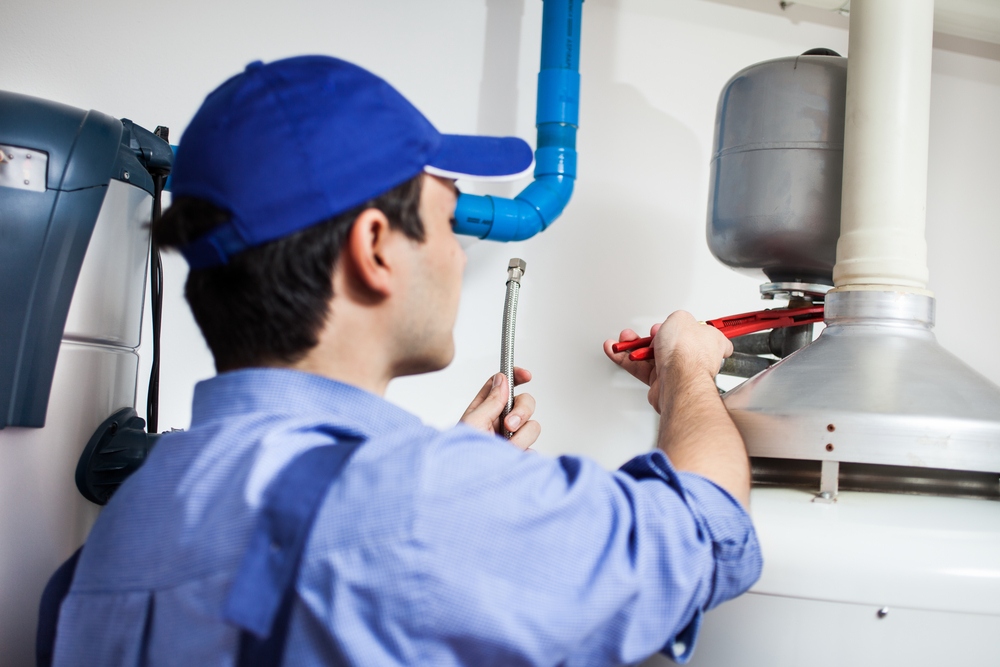
    Homeowners often search for hot water heater repair when they notice these issues because professional repairs can restore performance without the cost of installing a brand-new system. A trained technician can inspect the unit, identify the cause, and determine whether fixing the problem makes financial sense.

    Common Reasons Water Heaters Stop Working Properly

    Several issues can affect the performance of a water heater over time. One of the most common problems is mineral buildup, especially in areas with hard water. Sediment collects at the bottom of the tank, making the system work harder to heat water efficiently.

    Other problems may include damaged heating elements, pressure valve failures, broken thermostats, or issues with gas burners. Even small parts can have a big impact on how well the system performs.

    Another overlooked issue is age. Many traditional water heaters provide reliable service for years, but they are not designed to last forever. As components wear down, repairs may become more frequent and expensive.

    When Repair Is No Longer the Best Option

    Repairing a water heater can be a smart choice when the unit is relatively new and the issue is minor. But there comes a point when continuing to fix an old system is simply putting money into equipment that may fail again soon.

    If your water heater is leaking from the tank, producing rusty water, or requiring repeated repairs, replacement may be the better investment. A newer model can provide improved efficiency, better safety features, and more consistent performance.

    Many homeowners consider hot water heater replacement when repair costs start approaching the price of a new installation. While replacing a water heater requires an upfront investment, it can reduce future headaches and potentially lower monthly energy expenses.

    Choosing the Right Replacement System for Your Home

    If replacement becomes necessary, choosing the right water heater matters. There are several options available, including traditional storage tanks, tankless models, heat pump water heaters, and energy-efficient electric or gas systems.

    The best choice depends on your household size, water usage, budget, and available energy sources. A family with several people using hot water throughout the day may need a larger capacity system, while a smaller household may benefit from a compact and efficient option.

    It’s also important to think about installation quality. Even the best water heater can underperform if it is not installed correctly. Professional installation ensures proper connections, safe operation, and better long-term reliability.

    Regular Maintenance Can Prevent Expensive Problems

    Many water heater failures happen because basic maintenance is overlooked. Like any major home appliance, water heaters need occasional care to continue working efficiently.

    Flushing the tank to remove sediment, checking valves, inspecting connections, and testing important components can extend the life of the system. Regular maintenance also helps identify small problems before they become expensive repairs.

    A professional hot water tank service appointment can provide a complete inspection and cleaning process. During a service visit, technicians can check for leaks, evaluate performance, and recommend adjustments that improve efficiency.

    Routine service is especially valuable for older units because it gives homeowners a better understanding of the system’s condition and expected lifespan.

    Saving Money Through Smart Water Heater Decisions

    Replacing or repairing a water heater is not just about restoring hot water. It is also about making a practical financial decision. Energy-efficient models may cost more initially but can provide savings over many years.

    Simple habits can also reduce strain on your system. Using low-flow fixtures, fixing leaks quickly, and avoiding unnecessary hot water use can all help improve efficiency.

    Many homeowners wait until their water heater completely fails before taking action. Unfortunately, that often results in rushed decisions and emergency expenses. Planning ahead gives you time to compare options and choose the best solution for your home.

    Keeping Your Home Comfortable Year After Year

    A reliable water heater plays a bigger role in daily life than many people realize. From morning routines to household chores, having dependable hot water makes everything run more smoothly.

    Whether your current system needs a small repair, regular maintenance, or a complete upgrade, paying attention to warning signs is always a smart move. A little care today can prevent major problems tomorrow.

    The goal is simple: a water heater that works efficiently, safely, and consistently whenever your family needs it. With proper service and informed decisions, you can enjoy comfort and peace of mind for many years.

  • Finding Confidence on the Road: A Supportive Guide to Learning Driving Skills with Extra Care

    Finding Confidence on the Road: A Supportive Guide to Learning Driving Skills with Extra Care

    Learning to drive is an exciting milestone. It represents independence, freedom, and the ability to move through life with more confidence. For many people, getting behind the wheel is a straightforward process. But for individuals with unique learning needs, physical challenges, or specific concerns, the journey may require a more personalized approach.

    Driving should be accessible to everyone who can safely operate a vehicle. With the right support, patience, and teaching methods, many individuals can develop the skills needed to become confident drivers. The key is finding an environment where learning happens at a comfortable pace and where instructors understand that every student is different.

    Understanding Individual Driving Needs

    Every learner brings their own experiences, strengths, and challenges to the driving process. Some people may need extra time to understand road rules, while others may require vehicle adaptations or specialized instruction.

    The goal is not to compare one learner with another. Driving education should focus on personal progress, building skills step by step, and creating a safe learning experience.

    For individuals with disabilities, developmental differences, anxiety, or other specific requirements, special needs driving focuses on providing customized instruction that matches their abilities. It considers factors such as communication style, physical comfort, reaction time, and confidence levels.

    A supportive approach can make the difference between feeling overwhelmed and feeling empowered behind the wheel.

    Why Personalized Instruction Matters

    Traditional driving lessons often follow a general structure, but not every student benefits from the same teaching style. Some learners may need more visual explanations, repeated demonstrations, or additional practice in certain areas.

    A patient instructor understands that progress looks different for everyone. Instead of rushing through skills, they focus on helping students understand why each action matters.

    For example, learning how to check mirrors or manage intersections may require extra explanation and practice. Over time, these small improvements build stronger driving habits and greater confidence.

    The right instructor creates a comfortable space where students can ask questions, make mistakes, and improve without feeling pressured.

    Choosing the Right Driving School

    Finding a suitable driving school is one of the most important steps in the learning journey. A good school should have trained instructors, flexible teaching methods, and a genuine understanding of different learning needs.

    A special needs driving school is designed to support learners who require additional attention or specialized techniques. These schools may offer modified vehicles, adaptive equipment, or instructors experienced in working with diverse students.

    Before enrolling, it is helpful to ask questions about instructor experience, lesson structure, vehicle availability, and how the school supports individual learning goals.

    The right school does not simply teach someone how to operate a car. It helps build independence while keeping safety at the center of every lesson.

    Building Confidence Through Practice

    Confidence is one of the biggest challenges for many new drivers. Fear of making mistakes, dealing with traffic, or handling unexpected situations can create stress.

    Regular practice in a supportive environment helps reduce those concerns. Each successful drive, whether it is a simple parking exercise or a trip through local streets, adds another layer of confidence.

    Good instructors often start with comfortable environments and gradually introduce more complex situations. This step-by-step approach allows learners to develop skills naturally instead of feeling overwhelmed.

    Patience plays a huge role. Learning to drive is not a race, and taking extra time does not mean someone cannot become a capable driver.

    The Role of Quality Driving Lessons

    Professional instruction provides structure and guidance that is difficult to achieve through casual practice alone. Family members and friends can offer support, but trained instructors understand how to teach driving skills effectively.

    Customized driving lessons allow learners to focus on areas where they need the most improvement. Whether it is vehicle control, traffic awareness, parking, or decision-making, lessons can be adjusted according to individual progress.

    The best lessons are not only about passing a driving test. They prepare students for real-life situations they may encounter every day.

    Adaptive Vehicles and Modern Support

    Technology has made driving more accessible than ever before. Many vehicles can now be modified with equipment designed to support different physical needs.

    Hand controls, steering adaptations, pedal modifications, and other tools can help qualified drivers operate vehicles more comfortably.

    However, choosing the right equipment requires professional guidance. A proper assessment ensures that modifications match the driver’s abilities and provide the highest level of safety.

    Combining adaptive technology with proper instruction creates more opportunities for people to achieve driving independence.

    Encouraging Independence and Responsibility

    Driving provides more than transportation. It can open doors to education, employment, social activities, and personal freedom.

    For individuals who have faced challenges in other areas of life, learning to drive can become a powerful achievement. It represents confidence, determination, and the ability to reach personal goals.

    At the same time, independence comes with responsibility. Every driver must understand the importance of safe decisions, awareness, and respect for others on the road.

    Final Thoughts

    Learning to drive may look different for everyone, but the destination remains the same: becoming a safe and confident driver. With personalized instruction, supportive educators, and the right resources, many individuals can successfully develop the skills needed for independent driving.

    The journey may require patience and extra effort, but every step forward matters. A caring instructor, a suitable driving program, and consistent practice can transform uncertainty into confidence.

    Driving is not just about controlling a vehicle. It is about gaining freedom, building self-belief, and creating new opportunities on the road ahead.

  • Signs Your Air Conditioner Needs Attention Before It Stops Working

    Signs Your Air Conditioner Needs Attention Before It Stops Working

    There’s a funny thing about air conditioners—they rarely quit without giving you a few hints first. The trouble is, most of us are too busy to notice those early warning signs. We chalk up a warm room to the weather, ignore a strange sound coming from the vents, or assume the system is just “working harder than usual.”

    Then one afternoon, right in the middle of summer, the cool air disappears.

    The truth is that most air conditioning issues develop gradually. What starts as a minor inconvenience can eventually become an expensive repair if left unchecked. Paying attention to your HVAC system and acting on small changes can help you avoid unexpected breakdowns, improve energy efficiency, and extend the life of your equipment.

    Let’s look at some of the most common signs your AC may be asking for help.

    Your Home Doesn’t Feel as Comfortable as It Used To

    One of the earliest clues isn’t dramatic at all.

    Maybe your living room cools down quickly, but the bedrooms stay warm. Perhaps the temperature changes from one room to another even though the thermostat remains the same. Sometimes the air simply feels humid instead of refreshing.

    These small differences often suggest that the system isn’t distributing air efficiently anymore. Dirty filters, duct leaks, worn components, or airflow restrictions could all contribute to uneven cooling.

    It’s easy to overlook these symptoms because they appear slowly, but they’re often the beginning of a larger issue.

    Rising Utility Costs Without Any Clear Reason

    Many homeowners notice the monthly electric bill before they notice anything unusual about the air conditioner itself.

    If your household habits haven’t changed but you’re suddenly seeing higher energy bills, your cooling system may be operating less efficiently than it once did. As components wear down or become dirty, the unit has to work harder and longer to produce the same level of comfort.

    An aging blower motor, clogged coils, restricted airflow, or refrigerant issues can all increase energy consumption.

    Comparing your bills over several months can sometimes reveal patterns that point toward a developing HVAC problem.

    Longer Cooling Cycles Can Signal Trouble

    It’s perfectly normal for an air conditioner to run longer during extremely hot weather. However, if it seems like the system rarely shuts off—even during moderate temperatures—that deserves a closer look.

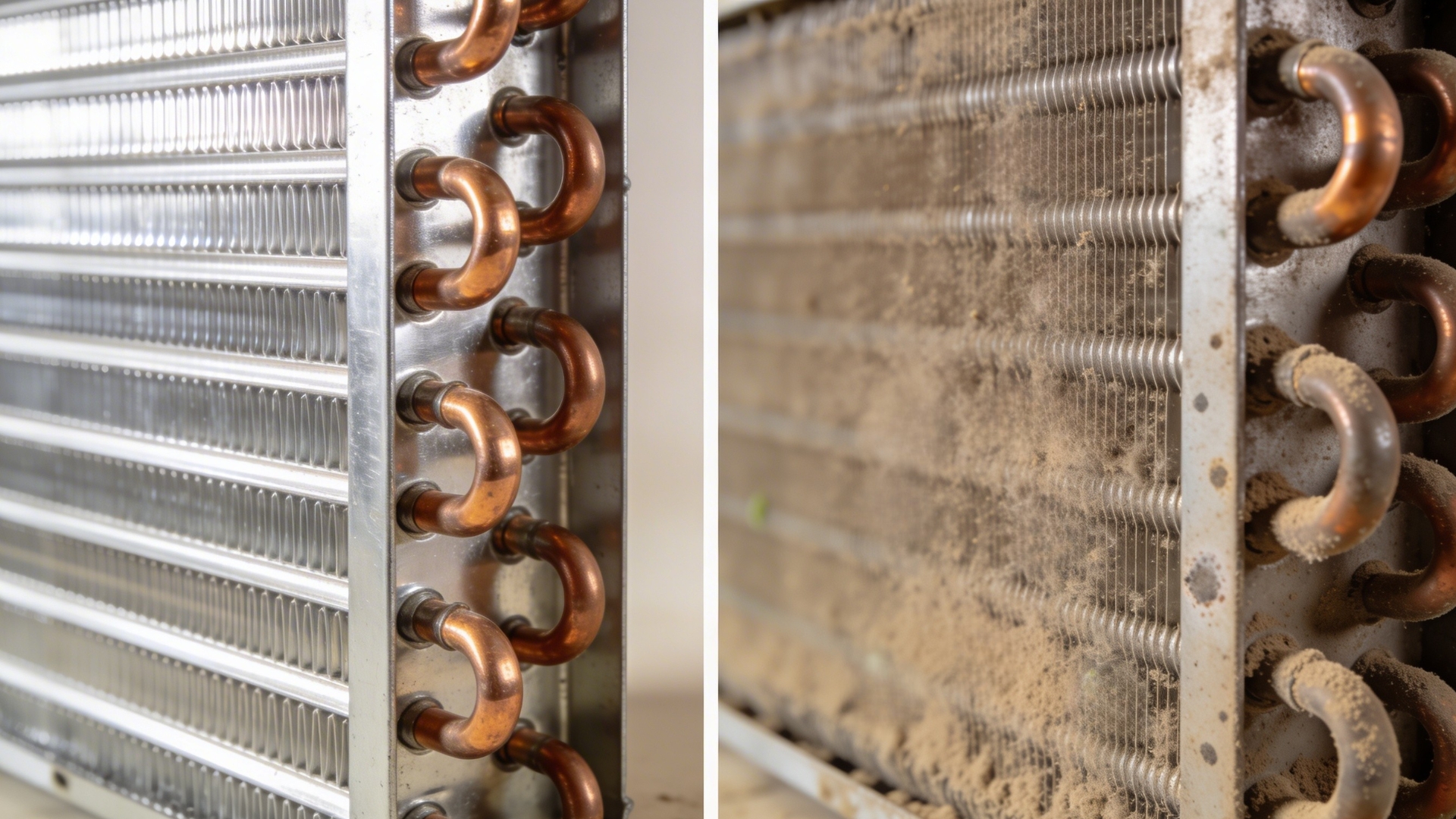
    A continuous cooling cycle often indicates that the air conditioner is struggling to reach the thermostat setting. The cause may involve poor airflow, refrigerant concerns, dirty condenser coils, thermostat calibration issues, or equipment that has become less efficient over time.

    Besides increasing energy usage, nonstop operation places extra wear on important components, reducing the overall lifespan of the system.

    An air conditioner should work steadily—not endlessly.

    Weak Airflow Shouldn’t Be Ignored

    Stand near one of your supply vents.

    Does the airflow feel strong and consistent, or is it noticeably weaker than you remember?

    Weak airflow usually points toward a problem somewhere within the system. Dirty air filters remain one of the most common causes, but damaged blower motors, blocked ducts, or partially closed vents can also reduce air circulation.

    Good airflow allows your entire HVAC system to perform efficiently. When airflow decreases, comfort often disappears long before the unit completely stops working.

    Fortunately, this is often one of the easier problems to diagnose and correct.

    Strange Sounds Usually Mean Something Has Changed

    Most air conditioners create a steady background hum that homeowners barely notice.

    New noises are different.

    Rattling may indicate loose hardware. Buzzing could point toward electrical concerns. Squealing sometimes suggests worn belts or motor bearings, while grinding noises should never be ignored.

    Mechanical components naturally wear over time, and unusual sounds often provide early warning before complete failure occurs.

    Catching these issues early typically results in simpler—and less expensive—repairs.

    Moisture Around the Indoor Unit Isn’t Normal

    A small amount of condensation is expected during normal operation, but standing water around the indoor air handler deserves attention.

    Blocked condensate drains, damaged drain pans, or excessive moisture inside the system can eventually lead to water damage or mold growth if left unresolved.

    If you notice persistent leaks, it’s worth scheduling service before the problem spreads beyond the HVAC equipment itself.

    Sometimes the water issue is minor. Sometimes it’s the first sign of something more significant.

    Warm Air From the Vents Is Never Good News

    Perhaps the most obvious warning sign is warm air coming from your vents when the thermostat is calling for cooling.

    Several issues can create this symptom, including thermostat malfunctions, compressor problems, refrigerant leaks, dirty coils, or airflow restrictions.

    Instead of repeatedly lowering the thermostat, it’s better to identify the actual cause. Turning the temperature down further won’t solve a mechanical problem—it simply forces the equipment to keep trying.

    Don’t Wait Until Minor Issues Become Major Repairs

    Homeowners often postpone service because the air conditioner still “sort of works.”

    That’s understandable. Life gets busy.

    Unfortunately, small HVAC concerns rarely fix themselves. More often, they continue developing until the system experiences complete failure at the worst possible time.

    Many cooling system problems begin with simple maintenance items that could have been addressed quickly if discovered earlier. Routine inspections help technicians clean critical components, verify refrigerant performance, tighten electrical connections, inspect moving parts, and identify worn equipment before it causes larger failures.

    Preventive maintenance almost always costs less than emergency repairs.

    A Little Maintenance Goes a Long Way

    Keeping your air conditioner healthy doesn’t require complicated routines.

    Replace air filters regularly. Keep supply and return vents open. Remove leaves and debris from around the outdoor unit. Listen for unusual sounds, monitor your energy bills, and pay attention to changes in cooling performance.

    These simple habits may seem small, but together they help reduce unnecessary strain on the entire HVAC system.

    Like changing the oil in a car, regular maintenance protects a much larger investment.

    Stay Ahead of Problems Before Summer Gets Serious

    Air conditioners usually provide plenty of warning before they stop working completely. The challenge is recognizing those signs while repairs are still relatively simple.

    Whether it’s uneven temperatures, weak airflow, rising utility costs, unusual noises, or longer operating cycles, paying attention to your system can save both money and frustration.

    A dependable air conditioner isn’t just about comfort—it’s about reliability, efficiency, and peace of mind when outdoor temperatures are at their highest. By acting early and scheduling routine maintenance, you’ll give your HVAC system its best chance to keep your home cool for many summers to come.

  • Why Better Water Throughout Your Home Makes Everyday Living Easier

    Why Better Water Throughout Your Home Makes Everyday Living Easier

    Most of us don’t spend much time thinking about water. We expect it to be there when we turn on the tap, fill a glass, start the dishwasher, or jump into the shower after a long day. It quietly supports nearly every part of our daily routine, which is probably why it’s so easy to overlook until something feels wrong.

    Maybe you’ve noticed chalky spots on glassware that never seem to disappear. Perhaps your shower leaves your skin feeling dry, or your washing machine doesn’t seem to clean clothes quite as well as it once did. None of these issues feel urgent on their own, but together they often point toward something bigger—the quality of the water moving through your home.

    The good news is that improving household water doesn’t always require major renovations. Sometimes it simply starts with understanding what’s flowing through your plumbing and making choices that fit your home’s unique needs.

    Water Is Part of Nearly Every Routine

    From the moment you wake up until you head to bed, water is constantly working behind the scenes.

    It brews your morning coffee, cooks dinner, washes dishes, fills the washing machine, keeps the garden alive, and powers every shower your family takes. Because it touches so many parts of everyday life, even modest improvements can have surprisingly broad effects.

    Homeowners often focus on visible upgrades like new flooring or modern kitchens, yet water has an impact on nearly every room in the house. Better water quality doesn’t just improve one faucet—it can influence how your entire home functions day after day.

    Looking Beyond the Kitchen Sink

    When people first think about water treatment, drinking water is usually the first thing that comes to mind. While clean drinking water certainly matters, the water running through your showers, toilets, dishwasher, washing machine, and water heater deserves just as much attention.

    That’s one reason many homeowners explore whole home water treatment instead of relying solely on a small filtration unit at the kitchen sink.

    Treating water where it enters the house means every fixture benefits from cleaner, better-conditioned water. Instead of solving one isolated problem, the entire plumbing system receives consistent treatment from the very beginning.

    For families planning to stay in their homes for years, this broader approach often provides the greatest long-term value.

    Every Water Supply Is Different

    No two homes receive exactly the same water.

    Municipal water systems vary from city to city, while private wells often contain naturally occurring minerals or sediments unique to the local geology. Even neighboring homes can experience different water characteristics depending on plumbing materials or aging infrastructure.

    Because of these differences, there’s rarely a one-size-fits-all answer.

    Professional water testing provides valuable information about hardness, mineral content, chlorine levels, pH balance, iron, sediment, and other important factors. Once those details are known, selecting the right treatment becomes far more straightforward.

    Guesswork rarely produces the best long-term results.

    Choosing Equipment That Fits Your Home

    It’s tempting to assume the largest or most expensive water treatment system must also be the best.

    In reality, that’s rarely true.

    A family with moderately hard municipal water has different needs than someone relying on a private well with iron and sulfur issues. Household size, water usage, plumbing layout, and maintenance preferences all influence the ideal solution.

    That’s why properly designed whole home systems focus on matching equipment to actual household conditions rather than offering identical recommendations for every customer.

    When treatment is properly sized, homeowners often enjoy better efficiency, lower operating costs, and more reliable long-term performance.

    Better Water Protects More Than Plumbing

    One of the biggest advantages of improving household water quality isn’t always immediately visible.

    Minerals and sediment slowly accumulate inside water heaters, dishwashers, coffee makers, washing machines, and plumbing pipes. Over time, those deposits reduce efficiency and increase wear on expensive equipment.

    By reducing scale and other unwanted elements, water treatment helps protect many of the appliances families rely on every day.

    While no system completely eliminates maintenance, improving water quality often extends equipment life while reducing unnecessary repairs and energy consumption.

    It’s one of those investments that quietly pays for itself over time.

    Daily Comfort Improves in Small Ways

    Homeowners frequently describe the benefits of better water using simple observations rather than dramatic claims.

    Soap lathers more easily. Laundry feels softer. Shower doors stay cleaner longer. Glassware comes out of the dishwasher with fewer spots, and cleaning bathroom fixtures takes less effort than before.

    These changes aren’t flashy, but they’re meaningful because they happen every single day.

    It’s remarkable how much easier ordinary household tasks become when water works with you instead of against you.

    Understanding residential water treatment

    The phrase residential water treatment covers far more than just softening hard water.

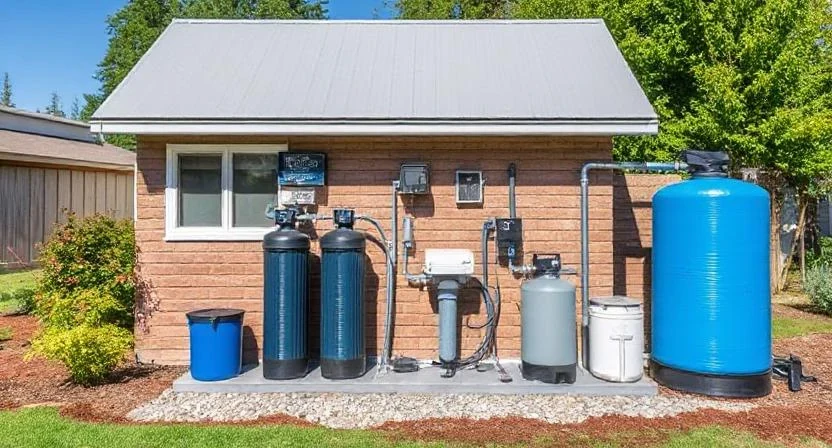
    Depending on local conditions, treatment may include sediment filtration, activated carbon filtration, iron removal, odor control, ultraviolet purification, reverse osmosis systems, or combinations of several technologies working together.

    The goal isn’t simply producing cleaner drinking water. It’s creating water that’s better suited for the home’s plumbing, appliances, fixtures, and daily household routines.

    When systems are selected based on accurate testing rather than assumptions, homeowners typically experience the greatest overall benefit.

    Thinking Long-Term Instead of Short-Term

    It’s easy to buy another bottle of cleaner for stubborn mineral stains or replace a coffee maker every few years because scale eventually damages it.

    Those short-term fixes solve symptoms, but they don’t address the underlying cause.

    Improving household water is different because it focuses on prevention rather than constant maintenance.

    Over the years, that proactive approach often saves money while making everyday living noticeably more comfortable.

    It’s one of those upgrades that continues delivering value long after installation day.

    Better Water Supports a Better Home

    A comfortable home isn’t built from one spectacular improvement. More often, it’s created through dozens of thoughtful decisions that make daily life easier.

    Cleaner fixtures, efficient appliances, softer laundry, more enjoyable showers, and reliable plumbing all contribute to that experience.

    When homeowners invest in understanding and improving their water, they’re not just upgrading a utility—they’re improving the way their entire home functions.

    Better water quietly supports every room, every appliance, and every routine. And once you experience that difference, it’s surprisingly difficult to imagine going back to the way things were before.

  • Cheese Tasting Paris: A Delicious Journey Through French Flavors

    Cheese Tasting Paris: A Delicious Journey Through French Flavors

    Introduction

    Paris is famous for its art, architecture, and world-class cuisine, but one of its greatest culinary treasures is cheese. With hundreds of varieties produced across France, the city offers unforgettable tasting experiences for food lovers. Whether you are a first-time visitor or a seasoned traveler, cheese tasting Paris is an activity that lets you explore authentic French traditions while enjoying exceptional flavors.

    Why Paris Is a Cheese Lover’s Paradise

    France is home to more than 1,000 varieties of cheese, and Paris brings the best of them together in one place. From creamy Brie and Camembert to bold Roquefort and Comté, every region contributes unique flavors and textures. Local fromageries, gourmet food markets, and specialty shops allow visitors to discover premium cheeses while learning about their history, production methods, and regional origins.

    Experience an Authentic Cheese Tasting

    A traditional cheese tasting session is much more than sampling different cheeses. Expert guides explain how each cheese is made, the ideal serving temperature, and the perfect pairings with bread, fruits, and wine. During a tasting, you’ll also learn how aging affects flavor and texture, helping you appreciate the craftsmanship behind every bite.

    Join a Paris Cheese Tour

    One of the best ways to discover French cheese is by joining a Paris cheese tour. These guided experiences often include visits to local cheese shops, artisan markets, and hidden culinary gems. Knowledgeable experts introduce guests to regional specialties while sharing fascinating stories about French food culture. Many tours also include wine pairings, making the experience even more memorable.

    Popular French Cheeses to Try

    No visit to Paris is complete without tasting some of France’s most famous cheeses. Brie de Meaux offers a creamy texture with a mild flavor, while Camembert provides earthy notes and a soft interior. Comté is known for its nutty taste, and Roquefort delivers a rich, tangy profile. Goat cheeses, known as Chèvre, are also popular for their fresh and distinctive flavor.

    Perfect Pairings for French Cheese

    French cheese becomes even more enjoyable when paired with complementary foods. Fresh baguettes, artisan crackers, grapes, figs, walnuts, and honey enhance the tasting experience. Wine pairings are equally important, with white wines often complementing soft cheeses and red wines matching aged varieties. Sparkling wines and cider can also create delightful combinations that highlight different flavor profiles.

    Best Places to Enjoy Cheese in Paris

    Paris offers countless locations where visitors can experience outstanding cheese tastings. Traditional cheese boutiques feature expertly curated selections, while gourmet food halls showcase products from every region of France. Local markets are excellent places to sample fresh cheeses directly from producers. Many culinary schools and private tasting venues also organize educational workshops for tourists and food enthusiasts.

    Tips for Your Cheese Tasting Experience

    To fully enjoy your tasting, begin with mild cheeses before moving to stronger varieties. Take your time to observe the aroma, texture, and flavor of each selection. Drinking water between samples helps cleanse your palate, allowing you to appreciate subtle differences. Asking questions during guided tastings can also deepen your understanding of French cheese-making traditions.

    Why Cheese Tasting Is a Must-Do Activity

    Cheese tasting offers more than delicious food—it provides insight into French culture and heritage. Every cheese reflects the traditions, landscapes, and craftsmanship of its region. Whether you’re traveling solo, with friends, or as a couple, this unique culinary experience creates lasting memories and introduces you to flavors you may never have encountered before.

    Conclusion

    A cheese tasting experience in Paris is one of the most rewarding culinary adventures for visitors. From sampling iconic French cheeses to learning about centuries-old traditions, every tasting reveals the passion behind France’s rich gastronomic heritage. Whether you choose a guided tour or explore local cheese shops independently, you’ll leave Paris with a greater appreciation for one of the world’s finest culinary traditions and unforgettable flavors.

  • Why Looking After Your Water Treatment System Pays Off Year After Year

    Why Looking After Your Water Treatment System Pays Off Year After Year

    Most homeowners don’t think much about their water treatment system after it’s installed. And honestly, that’s understandable. When everything works as expected, water simply becomes part of the background. You pour a glass without hesitation, enjoy a hot shower, wash dishes, and move on with your day.

    Ironically, that’s exactly how a good water system should behave. It quietly does its job without demanding attention.

    Still, every hardworking system benefits from a little care. Whether it’s your heating unit, your car, or the equipment responsible for improving your home’s water, regular attention helps preserve performance while preventing unnecessary surprises. The effort is small compared to the comfort and confidence it provides over the years. 

    Water Is Constantly Working Behind the Scenes

    Take a moment to think about how many times water is used during an ordinary day.

    Morning coffee. Brushing your teeth. Laundry. professional maintenance Cooking dinner. Running the dishwasher. Watering the garden. Taking an evening shower.

    Each of those everyday moments depends on your treatment system quietly processing thousands of gallons of water over months and years. That constant workload naturally creates wear on filters, valves, seals, and treatment media.

    It’s completely normal—but it also explains why routine care matters.

    Maintenance Is an Investment, Not an Expense

    Many homeowners wait until something seems wrong before calling for service.

    Unfortunately, by the time noticeable symptoms appear, small issues may already have become larger ones. Declining water quality, mineral buildup, or reduced efficiency often develops gradually rather than overnight.

    Scheduling professional maintenance allows trained technicians to inspect the system before performance noticeably changes. Minor adjustments made early frequently prevent larger repairs and help extend equipment lifespan.

    Preventive care almost always proves less expensive than emergency service.

    Technology Still Benefits from Human Attention

    Modern water treatment systems expert support  are impressively reliable.

    Many include advanced controls, automated regeneration cycles, and sophisticated filtration components that require very little day-to-day involvement from homeowners.

    Even so, technology isn’t entirely self-sufficient.

    Like any mechanical equipment, water treatment systems perform best when they’re occasionally evaluated by experienced professionals who understand how changing water conditions and normal wear influence long-term operation.

    A little attention goes a remarkably long way.

    Experience Brings Confidence

    Homeowners can certainly monitor their equipment, replace simple filters when appropriate, and pay attention to obvious changes in water quality.

    Some aspects of maintenance, however, benefit from expert support.

    Experienced technicians know how to evaluate system settings, inspect internal components, identify early warning signs, and recommend adjustments based on household water usage. They often recognize subtle issues that homeowners would never notice during everyday use.

    That experience helps protect both the equipment and the investment you’ve already made.

    Water Conditions Naturally Change

    One thing that’s easy to overlook is that the water entering your home isn’t necessarily identical year after year.

    Seasonal rainfall, drought conditions, municipal treatment changes, aging plumbing, groundwater movement, or even household occupancy can influence water characteristics over time.

    A treatment system installed years ago may eventually benefit from small adjustments that help it continue operating at its best.

    Periodic evaluations help ensure your equipment continues matching your home’s current needs rather than yesterday’s conditions.

    Better Performance Means Better Everyday Living

    The purpose of maintenance isn’t simply keeping equipment operational.

    It’s about preserving the everyday benefits homeowners enjoy.

    Strong water system performance helps maintain cleaner dishes, softer laundry, better-tasting water, fewer mineral deposits, more comfortable showers, and efficient appliance operation throughout the house.

    When everything functions properly, water system performance becomes so familiar that it’s easy to forget they’re even happening.

    That’s often the true measure of a well-maintained system.

    Small Service Visits Prevent Bigger Interruptions

    Emergency repairs rarely arrive at convenient times.

    Unexpected equipment failures often interrupt routines, create unnecessary stress, and may require more extensive repairs than issues discovered during routine inspections.

    Preventive service visits provide opportunities to replace worn components before they affect the overall system, reducing the likelihood of inconvenient breakdowns.

    Planning ahead almost always provides greater flexibility than reacting afterward.

    Maintenance Protects More Than Water Quality

    A properly maintained treatment system also helps protect the many appliances connected to your plumbing.

    Water heaters, washing machines, dishwashers, coffee makers, refrigerators, and plumbing fixtures all benefit from consistent water quality. Reducing mineral buildup helps these appliances perform efficiently while minimizing unnecessary wear over time.

    Looking after one system quietly supports many others throughout the home.

    That’s value that continues long after each maintenance appointment.

    The Best Systems Are the Ones You Hardly Notice

    There’s something satisfying about a home where everything simply works.

    You don’t think about the plumbing every time you wash your hands. You don’t worry about the electrical system every time you flip a switch. The same should be true of your water treatment equipment.

    Routine care allows the system to keep doing its job quietly and consistently, without demanding constant attention or unexpected repairs.

    At the end of the day, maintaining a water treatment system isn’t really about the equipment itself. It’s about protecting the comfort, convenience, and peace of mind that dependable water brings into your home every single day.

    Sometimes the smartest home maintenance isn’t visible at all. It’s the quiet work happening behind the scenes, ensuring every shower, every cup of coffee, every clean dish, and every glass of water continues meeting the standards your family depends on year after year.

  • Why Every Home Deserves a Smarter Approach to Water Quality

    Why Every Home Deserves a Smarter Approach to Water Quality

    Water has a quiet way of shaping everyday life. It’s there when you make your morning coffee, rinse fresh vegetables, take a hot shower after a long day, or simply fill a glass at the kitchen sink. Because it’s always available, most people don’t spend much time thinking about what’s actually flowing through their pipes. That usually changes the moment the water starts smelling odd, leaving stains behind, or tasting different than it should.

    The interesting thing is that water quality isn’t a one-size-fits-all issue. Two homes on the same street can have completely different water characteristics depending on plumbing materials, water sources, local geology, and even seasonal changes. That’s why finding the right solution starts with understanding your home’s unique needs instead of relying on generic advice.


    Water Quality Is More Than Just Taste

    When people think about clean water, taste is often the first thing that comes to mind. While that’s certainly important, it’s only one part of the picture.

    Water with high mineral content may leave stubborn white residue on faucets. Iron can stain sinks and laundry. Chlorine may create an unpleasant smell, while sediment can make water appear cloudy. Even when these issues don’t pose immediate health concerns, they can make everyday tasks less enjoyable and increase wear on household appliances.

    Clean water contributes to a more comfortable home in ways people often don’t notice until the problems disappear.


    Every Home Faces Different Challenges

    Municipal water systems and private wells each come with their own characteristics. City water is treated before reaching homes, but treatment chemicals like chlorine can affect taste and odour. Well water, on the other hand, may naturally contain minerals, iron, sulfur, or bacteria depending on local conditions.

    Age also plays a role. Older plumbing systems may contribute sediment or metallic tastes over time, while newer homes can still experience hard water or scale buildup if the local water supply contains elevated mineral levels.

    Because every situation is different, choosing residential water solutions should never be based solely on advertisements or what worked for someone else. What improves one home’s water may have little effect in another.


    The Importance of Understanding Your Water First

    One of the biggest mistakes homeowners make is purchasing filtration equipment before learning what’s actually in their water.

    It’s understandable. Product descriptions often promise cleaner, healthier water with impressive marketing claims. But without proper analysis, selecting equipment becomes little more than educated guessing.

    That’s where professional water testing services become incredibly valuable. A detailed water analysis identifies factors like hardness, pH balance, iron levels, manganese, chlorine, sulfur, sediment, bacteria, nitrates, and other characteristics that influence water quality.

    Once you understand the results, choosing the right treatment becomes far more straightforward—and much more effective.


    Small Water Issues Can Become Bigger Expenses

    Water problems don’t always announce themselves dramatically.

    Sometimes they appear gradually.

    Your dishwasher seems less effective than it used to be. Soap doesn’t lather quite as well. Water heaters take longer to heat. Faucets develop stubborn mineral deposits that never seem to stay clean for very long.

    These subtle changes often point toward mineral buildup happening inside appliances and plumbing systems.

    Over months and years, untreated water conditions can reduce efficiency, increase maintenance costs, and shorten the lifespan of expensive household equipment.

    Addressing the underlying issue early often saves homeowners considerably more than waiting until repairs become necessary.


    Not Every Filter Solves Every Problem

    This is where many homeowners get frustrated.

    Installing a simple carbon filter may improve taste but won’t remove hardness. A water softener helps reduce mineral buildup but doesn’t eliminate bacteria. Reverse osmosis creates excellent drinking water but doesn’t treat every faucet throughout the house.

    Water treatment isn’t about buying the “best” system—it’s about selecting the right combination for your specific water conditions.

    That’s why experienced professionals focus on recommendations backed by testing rather than assumptions.


    A Personalized Plan Makes All the Difference

    Once water quality has been evaluated, it’s much easier to create customized treatment solutions that actually match the home’s needs.

    For some families, that may involve a water softener paired with carbon filtration. Others may require sediment removal, UV disinfection, reverse osmosis, or iron filtration. Some homes benefit from combining several technologies into one integrated system.

    The goal isn’t adding more equipment than necessary.

    It’s finding the simplest approach that consistently delivers cleaner, more enjoyable water throughout the home.


    Better Water Supports Everyday Living

    People often notice the biggest improvements in places they never expected.

    Showers feel gentler on skin.

    Hair becomes easier to manage.

    Laundry looks brighter and feels softer.

    Glassware comes out of the dishwasher without cloudy spots.

    Coffee tastes richer.

    Even cooking can improve because ingredients aren’t competing with unpleasant flavours or mineral-heavy water.

    These changes may seem small individually, but together they create a noticeably better daily experience.


    Maintenance Is Easier Than Most People Expect

    One concern homeowners sometimes have is whether water treatment systems require constant attention.

    Fortunately, modern equipment is designed with convenience in mind.

    Most systems simply need periodic filter replacements, occasional inspections, or routine servicing depending on the technology installed. Water softeners require salt replenishment, while UV systems need lamp replacement according to manufacturer recommendations.

    Annual water testing also helps confirm that equipment continues performing effectively as local water conditions change over time.

    Like any household system, a little preventive maintenance goes a long way.


    Investing in Water Is Investing in Your Home

    Homeowners often spend thousands upgrading kitchens, replacing flooring, or renovating bathrooms.

    Yet every one of those improvements depends on the quality of the water running through the house.

    Protecting plumbing, reducing appliance wear, minimizing maintenance costs, and improving everyday comfort all contribute to a home’s long-term value.

    Good water isn’t simply a convenience—it’s part of creating a healthier, more efficient living environment for everyone under the roof.


    Final Thoughts

    Clean, reliable water influences nearly every routine inside a home, even when we don’t think about it. From cooking and cleaning to bathing and drinking, its impact reaches far beyond what’s visible in a glass.

    The smartest approach isn’t chasing the latest filtration trend or purchasing equipment based on online reviews alone. Instead, it begins with understanding your home’s unique water profile, identifying any concerns through proper testing, and choosing treatment systems designed for those specific conditions.

    When water treatment is based on accurate information rather than guesswork, the results tend to last longer, perform better, and provide real peace of mind. After all, water is something your family uses every single day—it deserves a solution that’s built around your home, not someone else’s.

  • Why Smart Permit Planning Helps Commercial Construction Stay on Track

    Why Smart Permit Planning Helps Commercial Construction Stay on Track

    Every commercial building starts long before the first piece of steel is lifted into place. There’s a stage that most people never see—a period filled with drawings, planning sessions, engineering reviews, budget discussions, and countless small decisions that quietly shape the entire project.

    Among those early tasks, permits often don’t receive much attention from anyone outside the construction industry. They’re rarely discussed in marketing brochures or celebrated during ribbon-cutting ceremonies, yet they have an enormous influence on whether a project moves forward smoothly or becomes tangled in avoidable delays.

    Good planning isn’t only about construction schedules or material deliveries. It also means making sure every approval is in place before crews begin their work.

    Strong Projects Begin with Preparation

    Construction always looks busiest when equipment arrives on site, but experienced contractors know that the most valuable work often happens before that moment.

    Architects finalise layouts. Engineers verify calculations. Owners define operational goals. Contractors organise labour, schedules, and suppliers. Electrical professionals review power requirements while ensuring their plans fit seamlessly with every other building system.

    The earlier these conversations happen, the fewer surprises appear later.

    It’s much easier to adjust a drawing during planning than to relocate electrical infrastructure after walls are built or ceilings have already been installed.

    Preparation isn’t glamorous, but it’s incredibly effective.

    Why commercial permits Matter More Than People Think

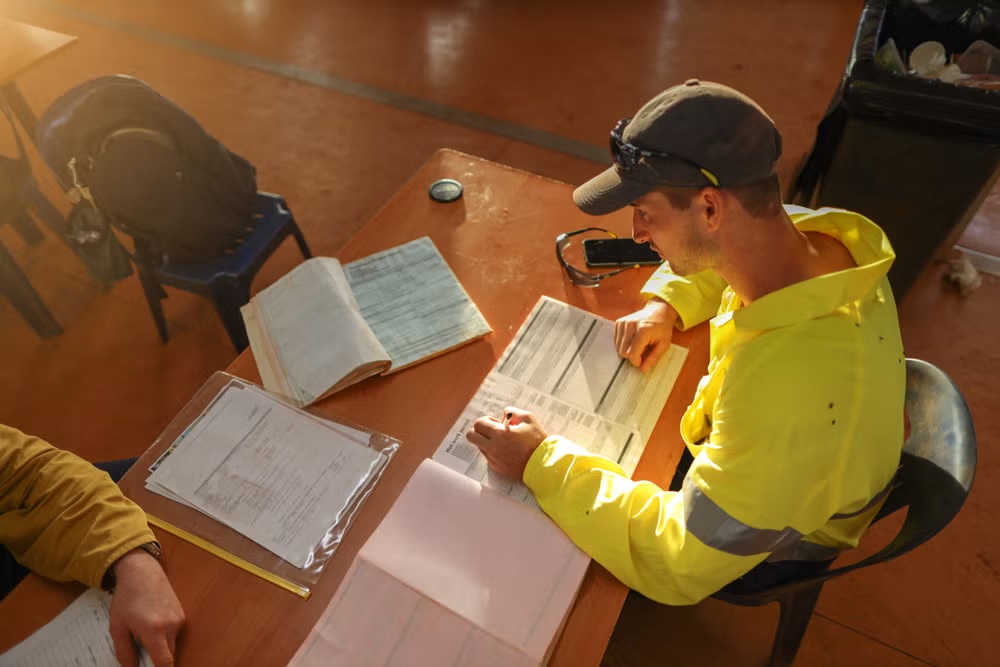
    Obtaining commercial permits is about much more than completing paperwork or checking administrative boxes.

    Permits provide confirmation that proposed electrical installations meet recognised building codes, safety standards, and engineering requirements before construction progresses too far.

    That review benefits everyone involved.

    Owners gain confidence in the project. Contractors understand inspection expectations. Local authorities help verify public safety. Future occupants move into buildings that have been carefully evaluated throughout construction.

    While permit applications sometimes feel time-consuming, they often prevent much larger problems later.

    In many cases, spending extra time preparing documentation actually saves weeks during construction.

    Every Commercial Building Is Different

    No two commercial properties demand exactly the same electrical infrastructure.

    A distribution warehouse requires large equipment connections and efficient lighting. Restaurants need dependable kitchen circuits. Healthcare facilities rely on emergency backup systems, while office buildings focus heavily on technology, communications, and employee comfort.

    Because every building serves a different purpose, electrical planning should always be customised rather than copied.

    Understanding how the space will actually function allows contractors to create practical systems that continue meeting operational needs for years after construction is complete.

    Experienced electrical contractors Bring More Than Installation Skills

    Professional electrical contractors contribute much more than labour during a commercial project.

    Their experience helps identify potential design conflicts, estimate future electrical demands, coordinate with other trades, and recommend solutions that improve long-term building performance.

    Many construction delays are prevented simply because experienced electricians recognise issues while reviewing plans instead of discovering them after installation begins.

    They also understand inspection procedures, equipment compatibility, maintenance access, and practical installation techniques that aren’t always obvious from architectural drawings alone.

    That practical knowledge often becomes one of the most valuable resources on a project.

    Communication Keeps Construction Moving Forward

    Commercial construction depends on teamwork.

    Electricians coordinate daily with mechanical contractors, structural engineers, architects, technology consultants, plumbers, and project managers.

    Every decision influences someone else’s work.

    Lighting layouts affect ceiling systems.

    Electrical panels require structural space.

    Mechanical equipment depends on dedicated circuits.

    Fire safety systems interact with emergency power installations.

    Open communication allows these connections to be addressed before conflicts develop, helping projects remain organised even as construction becomes increasingly complex.

    Why Planning for Tomorrow Makes Sense Today

    Technology continues evolving at an incredible pace.

    Buildings completed today may eventually require electric vehicle charging stations, expanded networking infrastructure, battery storage systems, smart automation, or equipment that hasn’t yet become standard.

    Planning for flexibility during construction doesn’t necessarily require installing everything immediately.

    Instead, contractors can provide spare conduit, additional electrical panel capacity, and accessible wiring pathways that simplify future upgrades.

    Those relatively small decisions often save significant renovation costs years later.

    Future-proofing isn’t about predicting every technological change.

    It’s about creating space for change to happen.

    Efficient project approvals Support Better Construction

    One of the biggest advantages of organised project approvals is that they reduce unnecessary interruptions throughout construction.

    When documentation is accurate, inspections are scheduled properly, and approvals are obtained before major work begins, contractors spend more time building and less time waiting.

    This creates a smoother workflow for every trade involved.

    Materials arrive according to schedule.

    Labour can be coordinated more efficiently.

    Inspections happen at appropriate milestones instead of delaying progress.

    Owners benefit because projects remain closer to their original timelines and budgets.

    Efficiency isn’t created by rushing.

    It’s created by staying organised from the very beginning.

    Small Details Often Create the Greatest Value

    Commercial buildings are shaped by hundreds of decisions that seem fairly ordinary while construction is underway.

    Planning inspection schedules.

    Allowing spare electrical capacity.

    Choosing practical equipment locations.

    Preparing accurate permit documentation.

    Coordinating installation sequences.

    Each decision appears relatively minor on its own.

    Together, however, they create buildings that are easier to maintain, more adaptable, and better prepared for future operational needs.

    Those quiet improvements continue delivering value long after construction crews have left the site.

    Building Confidence That Lasts Beyond Construction

    The true success of a commercial building isn’t measured only by how quickly construction finishes.

    It’s measured by how reliably the building performs for decades afterward.

    Safe electrical systems, organised permitting, experienced professionals, thoughtful planning, and clear communication all contribute to that long-term success.

    Most people will never notice the paperwork, planning meetings, or permit reviews that happened before the building opened.

    They’ll simply experience dependable lighting, reliable equipment, comfortable workspaces, and electrical systems that perform exactly as expected.

    And perhaps that’s the greatest compliment any construction project can receive. When every detail is handled carefully from the beginning, the finished building quietly earns trust every single day without demanding attention. That’s the lasting value of thoughtful planning and well-managed commercial construction.

  • Scooty and Motorcycle Rental Services in Delhi and Jaipur: Smart Travel Solutions

    Scooty and Motorcycle Rental Services in Delhi and Jaipur: Smart Travel Solutions

    Introduction

    In today’s fast-moving urban lifestyle, flexible transportation has become a necessity rather than a luxury. Cities like Delhi and Jaipur are witnessing a growing demand for rental two-wheelers due to traffic congestion, rising fuel prices, and the need for affordable mobility. Whether it is daily commuting, tourism, or short city rides, bike and scooty rentals offer a practical solution for everyone. These services are especially popular among students, office workers, and travelers who want convenience without the burden of ownership.

    Scooty Rentals for Easy City Travel in Delhi

    Delhi is a city where traffic and long travel times are a daily challenge. In such conditions, two-wheelers like scooties provide an efficient way to move around quickly. They are easy to ride, fuel-efficient, and perfect for short-distance commuting within the city.

    Services offering scooty on rent in delhi have become increasingly popular among young professionals and students. These rentals provide a wide range of scooters such as Activa, Dio, and other automatic models that are easy to handle even for beginners. Users can book scooties through mobile apps or local rental shops and choose flexible plans including hourly, daily, or monthly options. This makes scooty rentals a cost-effective and time-saving alternative to public transport and cabs.

    Motorcycle Rental Options in Jaipur for Tourists

    Jaipur, known as the Pink City, is one of India’s top tourist destinations. Exploring its historic forts, palaces, and colorful streets becomes much more enjoyable on a two-wheeler. Renting a motorcycle gives travelers the freedom to explore the city at their own pace without depending on fixed tour schedules.

    Choosing a motorcycle rental jaipur service allows visitors to access a variety of bikes including Royal Enfield, sports bikes, and commuter motorcycles. These bikes are ideal for both city rides and nearby excursions such as Amer Fort, Nahargarh Fort, and Jal Mahal. Rental providers in Jaipur often offer helmets, basic maintenance support, and flexible booking options, making the travel experience smooth and safe for tourists.

    Bike Rental Services in Jaipur for Daily and Travel Needs

    Apart from motorcycles, Jaipur also offers a wide range of bike rental services suitable for daily commuting and tourism. These services are designed to meet the needs of both locals and visitors who prefer affordable transportation.

    Searching for bike rent in jaipur helps users find multiple rental providers offering scooters and motorcycles at competitive prices. These bikes are perfect for navigating through Jaipur’s busy markets and narrow streets where cars may not be convenient. Rental plans are usually flexible, allowing users to rent bikes for a few hours, a full day, or even longer durations depending on their travel requirements. This flexibility makes bike rentals an ideal choice for both short trips and extended stays.

    Benefits of Two-Wheeler Rentals in Indian Cities

    Two-wheeler rentals offer several advantages in urban areas like Delhi and Jaipur. One of the biggest benefits is affordability, as users only pay for the time they use the vehicle. This eliminates the costs of fuel, maintenance, insurance, and parking associated with ownership.

    Another major advantage is convenience. Scooties and motorcycles can easily navigate through traffic, saving valuable travel time. They are also easy to park, which is a significant benefit in crowded city areas. Additionally, most rental companies ensure well-maintained vehicles with proper safety checks, making them reliable for daily use and tourism purposes.

    Conclusion

    The growing popularity of two-wheeler rentals in India highlights the shift toward smarter and more flexible transportation solutions. Whether it is scooty on rent in delhi for daily commuting, motorcycle rental Jaipur for exploring tourist attractions, or bike rent in jaipur for affordable travel, these services offer convenience, freedom, and cost savings. As urban mobility continues to evolve, bike rentals are becoming an essential part of modern transportation, helping people travel efficiently without the burden of ownership.