Blog

  • Gala Bingo Login Guide: Step‑by‑Step, Troubleshooting & Mobile Access for UK Players

    Gala Bingo Login – Your Practical Guide

    Why a smooth login matters

    For most British players, the first point of contact with an online casino is the login screen. A fast, reliable entry not only saves time but also ensures you don’t miss out on time‑limited promotions or live‑dealer tables that start at a set hour.

    Gala Bingo has built a reputation for a user‑friendly interface, but occasional hiccups – such as forgotten passwords, browser cache issues or two‑factor prompts – can still crop up. Understanding how to handle these obstacles before they happen gives you a better chance of staying in the game and enjoying the bonuses that sit behind the login gate.

    Creating your account – the registration basics

    Before you can even think about logging in, you need a registered profile. The process on Gala Bingo is deliberately straightforward: click “Register”, fill in your personal details, choose a strong password and confirm you are over 18. The site asks for name, address, email and phone number – all essential for the later verification (KYC) step.

    UK regulations require the operator to keep a clear audit trail, so expect a short verification email within minutes. If you don’t receive it, check your spam folder or retry the request. Once your email is confirmed, you can proceed to the first deposit and claim the welcome bonus that usually greets new accounts.

    Step‑by‑step Gala Bingo Login procedure

    The actual login action is a three‑step routine on desktop and a two‑step routine on the mobile app. Follow the flow that matches your device for the quickest access.

    • Open the official website or launch the Gala Bingo app.
    • Enter your registered email address or username.
    • Type your password and, if you have enabled it, the one‑time code sent to your phone.

    If you have enabled the “Remember me” tick‑box, the next login will only require the password, but always double‑check that you are on a secure (HTTPS) connection, especially when using public Wi‑Fi.

    Common login problems and quick fixes

    Even with a perfect password, you may encounter errors. Below are the most frequent issues and how to resolve them without calling support.

    Forgotten password

    Click the “Forgot your password?” link on the login page. You’ll receive a reset email; follow the instructions within 30 minutes as the link expires quickly for security reasons.

    Browser cache or cookies

    Old cache files can cause the page to display outdated scripts. Clearing your browser’s cache and cookies, or using an incognito window, often restores normal functionality.

    Two‑factor authentication (2FA) delays

    If you don’t receive the SMS code, verify that your mobile number is entered correctly in your account settings. You can also request a voice call as an alternative method.

    Mobile and app access – logging in on the go

    More than half of UK players prefer playing on smartphones, and Gala Bingo offers a dedicated iOS and Android app. The login screen is slimmer but mirrors the desktop flow: email, password, optional 2FA.

    For those who enjoy the convenience of biometric login, the app supports fingerprint and Face ID on compatible devices. This reduces the need to type passwords repeatedly, yet the app still requires a fresh password entry after a period of inactivity for security.

    Security, verification and responsible gambling

    Gala Bingo is a licensed casino under the UK Gambling Commission, meaning it must obey strict anti‑money‑laundering (AML) and responsible gambling policies. After your first login, you’ll be prompted to submit proof of identity – a passport or driving licence – and a recent utility bill for address verification.

    These documents are stored securely using encryption, and the verification process typically completes within 24 hours. While you wait, you can still explore free games, but any real‑money betting will stay locked until the KYC check is cleared.

    Unlocking bonuses after logging in

    One of the biggest incentives to log in daily is the rotating bonus pool. Gala Bingo frequently runs “login‑day” promotions that grant free spins or bonus cash simply for opening the app and clicking a claim button.

    Remember that most bonuses come with wagering requirements, usually expressed as a multiple of the bonus amount (e.g., 30x). Check the terms on the promotion page, because some games contribute less to the wagering count – slots 100 % whilst table games may contribute only 10 %.

    Payments, withdrawals and speed after you’re logged in

    After a successful login you can access the “Cashier” section where you’ll find a list of deposit and withdrawal methods. Popular UK options include debit/credit cards, PayPal, Trustly and Paysafecard.

    Withdrawal speed varies by method: e‑wallets such as PayPal often process within a few hours, while bank transfers may take 2‑4 business days. Keep an eye on the “minimum withdrawal” amount and any potential fees before confirming a payout.

    Customer support and getting help with login issues

    If you’ve tried all the quick fixes and still can’t access your account, the next step is to contact support. Gala Bingo offers live chat, a telephone line (0800 xxxx xxxx) and an email address, all staffed by agents trained in the UK market.

    When you reach out, have your account email, a screenshot of the error, and any relevant transaction IDs ready. Providing this information speeds up the resolution and reduces the chance of having to verify your identity again.

    Quick reference table

    Device Login steps Typical issue Resolution
    Desktop (Windows/macOS) 1. Open website 2. Enter email 3. Enter password 4. 2FA (optional) Browser cache Clear cache or use incognito mode
    Mobile browser 1. Go to m.galabingo.com 2. Email 3. Password 4. 2FA Small screen keyboard errors Use the native app instead
    iOS/Android app 1. Open app 2. Email 3. Password 4. Biometric/2FA Biometric failure Enter password manually and reset biometric settings

    Ready to start playing? Visit Gala Bingo and follow the steps above to log in with confidence.

  • How to Reduce Shipping Costs Without Cutting Into Your eBay Margins

    How to Reduce Shipping Costs Without Cutting Into Your eBay Margins

    Shipping is one of the easiest costs for an eBay seller to underestimate. A product can have a healthy margin on paper, yet become considerably less profitable once postage, packaging, fees and handling time are included. For sellers trying to offer combined shipping on eBay as a seller, the challenge is even more important: giving buyers a meaningful incentive to purchase multiple items without accidentally paying more to fulfill the order than the extra sale is worth.

    The solution isn’t simply to charge less for shipping.

    It is to understand how shipping costs behave as an order gets larger and then build your pricing around those costs.

    A second item doesn’t always require a second parcel. But it also doesn’t always fit into the same parcel. That distinction can make the difference between a useful shipping incentive and a discount that quietly eats your profit.

    Start by Understanding Your Actual Shipping Costs

    Before changing your shipping strategy, calculate what you actually spend to get an order from your hands to the buyer.

    That includes more than the postage label.

    Consider:

    1. Postage
    2. Packaging materials
    3. Boxes or mailers
    4. Tape and protective materials
    5. Label costs
    6. Handling time
    7. Surcharges
    8. Oversize charges
    9. Insurance where applicable
    10. Returns and replacement shipping

    For a lightweight product, packaging may represent a relatively small part of the total.

    For fragile or bulky products, packaging can become a meaningful expense.

    This is why sellers should avoid basing shipping discounts on a simple assumption such as “the second item costs half as much to ship.”

    Sometimes it does.

    Sometimes the second item pushes the entire order into a more expensive parcel category.

    The Most Important Question: Does the Second Item Change the Package?

    Consider a seller who ships T-shirts.

    One shirt fits comfortably in a lightweight mailer.

    Two shirts may fit in the same type of packaging.

    Five shirts might require a larger parcel.

    Ten shirts might require an entirely different shipping service.

    The cost doesn’t necessarily increase linearly with the number of products.

    This creates an important concept for shipping strategy:

    Package thresholds matter.

    A shipping discount that works perfectly for two items may become unprofitable when a customer purchases five.

    Map your common package sizes

    For your most frequently sold products, determine:

    1. One-item shipping cost
    2. Two-item shipping cost
    3. Three-item shipping cost
    4. Maximum quantity for the current package
    5. Cost of the next package size
    6. Typical packaging cost

    You don’t necessarily need a separate rule for every possible quantity.

    You simply need to understand where the meaningful cost jumps occur.

    Calculate the Break-Even Shipping Discount

    Suppose you normally charge a buyer $6 to ship one item.

    Your actual postage and packaging cost is $4.

    A buyer adds a second item, and the combined package costs $5.50.

    The seller could potentially charge less than $12 total shipping while still saving money compared with sending two separate parcels.

    But how much less?

    The calculation should start with the actual difference in fulfillment cost.

    If two separate parcels would cost $8 in postage and packaging, while one combined parcel costs $5.50, the maximum theoretical saving is $2.50.

    That doesn’t mean you should give the buyer the entire $2.50.

    Your marketplace fees, packaging changes and other costs still need to be considered.

    The important principle is:

    Base your shipping discount on the cost you actually avoid.

    Don’t choose a round discount simply because it sounds attractive.

    A Shipping Discount Can Increase Order Value

    Combined shipping isn’t only a cost-saving mechanism.

    It can also be a sales tool.

    Imagine a buyer wants one $15 item but sees that adding another item will only increase their total shipping cost slightly.

    That creates a reason to add something else to the basket.

    For the seller, this can be valuable because the additional product may generate incremental revenue without requiring an entirely separate shipment.

    For example:

    One item

    Product: $15

    Shipping: $6

    Total: $21

    Two items with combined shipping

    Products: $30

    Shipping: $7

    Total: $37

    The buyer pays only $1 more in shipping to receive another product.

    The seller receives an additional $15 in product revenue while using one shipment.

    The economics depend on the product’s margin, but the basic principle is powerful: shipping can influence basket size.

    Don’t Give the Same Discount to Every Product

    A common mistake is applying one combined-shipping rule to an entire store.

    That can work for a catalog of similar lightweight products.

    It becomes much riskier when the catalog contains products with very different dimensions and weights.

    Imagine a store selling:

    1. Phone cases
    2. Clothing
    3. Books
    4. Shoes
    5. Kitchen appliances
    6. Home décor

    A shipping discount designed around phone cases could be disastrous when a buyer combines a phone case with a large appliance.

    The products may technically qualify for the same discount rule, but the underlying shipping economics are completely different.

    Group products by shipping behavior

    A better approach is to organize products into practical shipping groups.

    For example:

    Group A — Small and lightweight

    Products that can usually share a mailer or small parcel.

    Group B — Medium products

    Products that can share packaging but eventually cross into a larger shipping category.

    Group C — Bulky products

    Products that generally require their own packaging.

    Group D — Fragile products

    Products where combining items may increase damage risk.

    The shipping policy can then reflect the actual physical behavior of the products.

    Free Shipping Isn’t Always the Same as Cheap Shipping

    Free shipping can be attractive to buyers, but it doesn’t mean shipping has disappeared.

    The seller is still paying for it.

    That means the shipping cost has to be recovered somewhere else.

    Often, that means incorporating some or all of the expected shipping expense into the product price.

    This can work particularly well for standardized products where shipping costs are predictable.

    But it becomes harder when shipping costs vary significantly by buyer location, product size or quantity.

    Before switching to free shipping, calculate the average shipping expense across your actual orders rather than assuming that every order will cost roughly the same.

    Watch the Difference Between Combined Orders and Combined Parcels

    A buyer purchasing multiple items doesn’t automatically mean the seller can physically ship everything together.

    There are several reasons why orders may need to remain separate.

    Products might:

    1. Come from different locations
    2. Require different shipping services
    3. Have different handling requirements
    4. Be too large to fit together
    5. Need separate packaging
    6. Be subject to marketplace-specific restrictions

    This distinction is especially important for dropshippers.

    If three products come from three different suppliers, the buyer may see one combined order while the seller still has three separate fulfillment costs.

    In that situation, offering a large combined-shipping discount can reduce the seller’s margin without producing any corresponding savings.

    The economics only work when the physical fulfillment process actually becomes cheaper.

    Build Shipping Into Product Pricing Carefully

    Some sellers prefer to charge a lower or zero shipping amount and incorporate the cost into the product price.

    This can simplify the buyer’s decision because there is less mental arithmetic at checkout.

    But sellers need to understand the trade-off.

    Suppose a product costs $20 and shipping normally costs $5.

    A seller might list it at:

    $20 + $5 shipping

    or:

    $25 with free shipping

    The customer’s total is similar, but the pricing structure is different.

    The second approach can become more complicated when buyers purchase multiple items because the seller may effectively charge the shipping component multiple times.

    This is why free-shipping models need to be evaluated alongside multi-item purchasing behavior.

    If buyers frequently purchase several products together, a shipping model that charges the full shipping allowance inside every item price may reduce the incentive to build a larger basket.

    Use Real Orders to Improve Your Rules

    Shipping calculations don’t need to remain theoretical.

    Your existing order history contains useful information.

    Look at recent multi-item purchases and record:

    1. Number of items
    2. Total weight
    3. Package dimensions
    4. Shipping service
    5. Actual postage cost
    6. Shipping charged to buyer
    7. Packaging cost
    8. Final contribution

    Patterns will begin to emerge.

    Perhaps two shirts almost always fit into one parcel.

    Perhaps three pairs of shoes require a larger shipping service.

    Perhaps buyers rarely purchase more than two of a particular product.

    Those observations can be turned into practical shipping rules.

    The goal isn’t to create the most sophisticated shipping system possible.

    It’s to create rules based on what actually happens in your store.

    Make the Buyer Benefit Obvious

    A shipping discount is most useful when the buyer can understand it easily.

    Compare:

    “Additional items: shipping calculated according to package weight.”

    with:

    “Add another item and pay only $2 more in shipping.”

    The second message is much easier to understand.

    When shoppers can see the benefit of adding another product, the shipping policy becomes part of the merchandising strategy.

    This doesn’t mean promising an amount that your shipping economics cannot support.

    It means communicating the benefit clearly once you know what you can afford to offer.

    Don’t Forget the Marketplace Fees

    Shipping discounts can affect more than your postage expense.

    Marketplace fees may be calculated partly on the transaction amount, which can include shipping depending on the marketplace and seller setup.

    That means reducing the shipping amount can sometimes change your fees as well.

    The effect may be small, but sellers should include it when calculating their true break-even point.

    The same applies to:

    1. Payment processing
    2. Promotional discounts
    3. Taxes
    4. Returns
    5. Refunds

    A shipping strategy should therefore be evaluated based on the net result, not just the postage label.

    Be Especially Careful With Dropshipping

    Traditional combined-shipping strategies assume the seller controls fulfillment.

    Dropshipping can work differently.

    If each product is shipped individually by a supplier, combining two products in the buyer’s cart doesn’t necessarily reduce the seller’s shipping expense.

    You might receive one payment from the buyer but still pay two separate supplier delivery charges.

    That makes a conventional “first item full price, every additional item heavily discounted” strategy potentially dangerous.

    Before offering combined shipping on your eBay products, confirm how your suppliers actually fulfill multi-item orders.

    If they genuinely consolidate several products into one package, the economics may work.

    If they don’t, the shipping discount has to be funded from your margin.

    Use Shipping as a Merchandising Tool

    Shipping isn’t merely an expense that needs to be minimized.

    It can influence how much a buyer purchases.

    A customer who has already decided to pay $6 to receive one product may be more willing to add another product if the incremental shipping cost is small.

    This is particularly useful for sellers with:

    1. Accessories
    2. Collectibles
    3. Clothing
    4. Small household products
    5. Replacement parts
    6. Craft supplies
    7. Other lightweight products that naturally complement one another

    The opportunity is strongest when the second item is both easy to ship and relevant to the first.

    A buyer purchasing a camera may be interested in an additional battery.

    Someone buying a phone case may want a screen protector.

    A customer buying one collectible may want another item from the same category.

    In these situations, shipping becomes part of the cross-selling strategy.

    Review Your Shipping Rules Regularly

    A shipping rule that works today may not work six months from now.

    Postage prices change.

    Packaging costs change.

    Your product mix changes.

    Your carrier options change.

    Even the average number of items per order can change as your business grows.

    Review your combined-shipping economics periodically, especially after a significant change in carrier pricing or product range.

    Look for warning signs such as:

    1. Multi-item orders producing lower margins than expected
    2. Shipping discounts consistently exceeding your actual savings
    3. Larger orders crossing unexpected parcel thresholds
    4. Buyers receiving discounts on products that cannot realistically ship together
    5. Different shipping policies being applied inconsistently

    Small adjustments can prevent a shipping strategy from quietly becoming unprofitable.

    The Best Shipping Discount Is One You Can Afford

    A good shipping policy creates a benefit for both sides.

    The buyer feels that adding another item is worthwhile.

    The seller benefits from a larger order without sacrificing an unreasonable amount of margin.

    Achieving that balance starts with the physical realities of fulfillment.

    Know what one parcel costs.

    Know what two items cost.

    Know when the package size changes.

    Know which products can travel together.

    Know which products cannot.

    Then build your discounts around those facts.

    For sellers with a catalog of compatible products, combined shipping can turn postage from a barrier into an incentive to buy more. But the strongest strategy isn’t necessarily the one offering the biggest discount.

    It’s the one where every additional item makes economic sense for the seller while still giving the buyer a clear reason to add it to the basket.

  • SEO Super Tool — Probe 62d7e8b9

    Тестовая проверка публикации постов SEO Super Tool (временный пост, будет удалён).

  • SEO Super Tool — Probe 09918264

    Тестовая проверка публикации постов SEO Super Tool (временный пост, будет удалён).

  • How Guest Post Outreach Builds Credible Online Visibility

    Publishing useful material on your own website is important, but it is not always enough to make a new or growing site visible. Readers, search engines, and professional communities often discover a business through sources they already know. Guest post outreach is the process of identifying relevant publications, proposing an original article, and earning a byline with a contextual link back to a useful page. Done carefully, it can support brand awareness, referral traffic, and a more credible online presence.

    Key points

    Guest posting should not be treated as a shortcut for collecting links. The strongest results come from contributing information that genuinely suits the host site’s audience. Relevance, editorial quality, transparency, and patience matter more than sending a large number of generic emails.

    For a small team, outreach can involve considerable research and follow-up. A structured guest post outreach service may be useful when the aim is to find suitable publishing opportunities while keeping the focus on topic fit and content quality. However, the final article should still offer a real answer, practical insight, or informed perspective for the publication’s readers.

    Why guest post outreach can be valuable

    • It introduces a site to relevant readers. A well-placed article reaches people who are already interested in the broader subject. For example, a finance software company may gain better visitors from a small-business publication than from a large but unrelated entertainment site.
    • It supports authority through association. When a respected, topic-appropriate publisher accepts an article, it gives readers a reason to take the contributor seriously. This does not replace expertise, but it can make that expertise easier to discover.
    • It can create durable referral traffic. Search traffic changes over time, while a useful article can continue sending interested visitors months after publication. Referral visitors are often more engaged because they arrived after reading related information.
    • It encourages stronger content planning. Outreach requires a clear point of view. Businesses that prepare thoughtful pitches tend to develop better resources, case studies, checklists, and explanatory articles on their own websites as well.
    • It helps build professional relationships. Editors, writers, and niche publishers are people, not just placement opportunities. Respectful communication can lead to future contributions, expert quotes, collaborations, and shared ideas.

    The foundations of a sensible outreach process

    1. Define the audience before looking for publications

    Start by deciding who should read the article and what they need to learn. A broad goal such as “get more links” produces weak targeting. A more useful goal may be “help independent retailers understand basic inventory forecasting” or “explain common accessibility errors to small web teams.” Once the audience and problem are clear, suitable websites are easier to identify.

    2. Evaluate relevance, not just apparent size

    A website with impressive-looking numbers is not automatically a good match. Review its recent posts, reader comments where available, author standards, and typical subjects. Ask whether the proposed article would make sense among its existing content. Also avoid websites that publish disconnected topics every day or appear to accept nearly any article without editorial review. Such placements may add little value to readers and may not reflect well on the contributor.

    3. Read the editorial guidelines carefully

    Many outreach attempts fail for avoidable reasons: the sender pitches a subject already covered, ignores a word-count requirement, or sends a finished article when the publication asks for an outline first. Editorial guidelines reveal how a site works. Following them shows respect for the editor’s time and increases the likelihood of a useful conversation.

    4. Write a brief, specific pitch

    A pitch does not need a long introduction. State the proposed title or angle, explain why it fits the publication’s audience, and give two or three points the piece will cover. If appropriate, mention relevant experience without overstating it. Personalization should be genuine: referring to a recent article or a gap in the site’s coverage is more helpful than adding an editor’s name to a copied template.

    5. Make the article valuable without the link

    The contribution should stand on its own. Use clear examples, accurate facts, steps readers can apply, and balanced caveats. A link belongs only where it expands on a point or directs readers to a genuinely relevant resource. Forcing several commercial links into a short article weakens trust and can lead to rejection.

    Common mistakes that reduce results

    • Prioritizing quantity over fit. Sending the same pitch to hundreds of unrelated sites produces low-quality placements and wastes time.
    • Submitting thin or recycled content. Editors want original work. Rewriting a few sentences from an existing blog post is rarely enough.
    • Using exaggerated claims. Promises such as guaranteed rankings, instant growth, or universal results make an article less credible. Explain limitations and use evidence where possible.
    • Overlooking disclosure and publication policies. Each publication may have rules regarding authorship, commercial relationships, editing, and links. These rules should be followed rather than negotiated away.
    • Failing to measure meaningful outcomes. A live article is not the only outcome to track. Consider referral visits, engaged time on site, newsletter sign-ups, enquiries, and whether the piece reached the intended audience.

    How to make outreach more sustainable

    Create a simple record of target publications, contact dates, pitch ideas, replies, publication status, and performance after publication. This prevents duplicate contact and makes it easier to learn which topics work. It is also wise to build a small number of ongoing editorial relationships instead of constantly starting from zero.

    Quality control matters at every stage. Check factual statements, avoid copied passages, use descriptive headings, and proofread before submission. If an editor requests changes, respond professionally and consider the request from the reader’s perspective. A good revision process often improves the final article.

    In summary

    Guest post outreach is most useful when it is treated as publishing for people rather than as a mechanical marketing task. The best opportunities are relevant to the contributor’s field, useful to the host site’s audience, and supported by original writing. By researching carefully, pitching specific ideas, and measuring real engagement, website owners can use guest contributions to develop visibility that is more credible and more likely to last.

    Questions and answers

    How long should a guest post pitch be?

    A concise pitch is usually best. In a few short paragraphs, explain the proposed topic, why it fits the publication, and what readers will gain. Include enough detail to show preparation, but do not send an unnecessary autobiography.

    Should every guest post contain a link?

    No. A link should be included only when it is relevant to the topic and permitted by the publisher’s editorial policy. The article should remain useful even if the link is removed.

    How can a writer find suitable sites?

    Search for publications that consistently cover the same audience, industry, or problem area. Review their recent content and contributor guidelines before making contact. Existing professional connections and industry newsletters can also reveal appropriate outlets.

    What makes a guest article more likely to be accepted?

    An original angle, clear structure, accurate information, and a close match with the host site’s audience are essential. Editors also value contributors who follow instructions and communicate reliably.

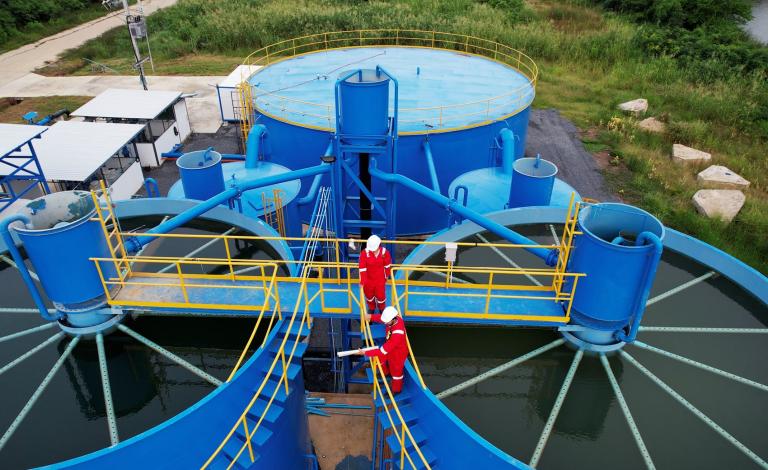
  • Why Water Flow, Energy Use, and Maintenance Matter When Choosing a Water Treatment System

    Why Water Flow, Energy Use, and Maintenance Matter When Choosing a Water Treatment System

    Most people shopping for a water treatment system start with one question: “How much does it cost?”It makes sense. Nobody wants to spend more than necessary. But when you’re choosing equipment for a home, office, restaurant, or commercial property, the purchase price is only one part of the story.

    What happens after installation can matter just as much.

    A system that can’t keep up with demand can become frustrating. Equipment that uses more energy than expected can slowly increase operating expenses. And a system that’s difficult to maintain may turn a seemingly good purchase into an ongoing headache.

    Water treatment is one of those things that tends to work quietly in the background. That’s exactly why it’s worth thinking carefully about how it will perform over the next several years, not just on installation day.

    Start With Your Actual Water Needs

    Before comparing brands or models, understand the water entering the property.

    Hardness, sediment, chlorine, iron, dissolved solids, pH, and other characteristics can all influence what kind of treatment is appropriate. A water test can help identify the main issues.

    This is especially important because different technologies solve different problems.

    A water softener is designed primarily to address hardness. Sediment filters capture particles. Activated carbon can improve taste and odor and reduce certain substances. Reverse osmosis can reduce many dissolved contaminants.

    There isn’t a single machine that does everything perfectly.

    Once you know what you’re dealing with, choosing equipment becomes much less of a guessing game.

    Why Water Flow Matters

    Imagine installing a filter that works beautifully when one faucet is running.

    Then someone turns on the shower.

    Someone else starts the washing machine.

    The dishwasher kicks in.

    Suddenly, the system has a much bigger job to do.

    This is why water flow deserves attention when choosing whole-house or commercial treatment equipment. A system needs to handle the property’s peak demand while maintaining appropriate pressure.

    Looking only at average daily consumption can be misleading. A home may use plenty of water over 24 hours but still have relatively short periods when several fixtures operate simultaneously.

    Commercial properties can have even larger fluctuations.

    A restaurant may have heavy demand during preparation and cleanup. A hotel may see major usage in the morning and evening. An industrial facility may experience peaks tied directly to production.

    Sizing should reflect those realities.

    The Problem With Undersized Equipment

    An undersized treatment system may seem attractive because it costs less upfront.

    But saving money at installation isn’t particularly helpful if the system struggles to keep up.

    Depending on the technology, insufficient capacity can lead to frequent regeneration, reduced treatment performance, pressure issues, or faster consumption of filter media.

    It can also make equipment seem unreliable when the real problem is simply that it was never properly sized.

    Before buying, ask the supplier to explain the recommended capacity and how it was calculated.

    If the answer is based only on the number of people in the building, keep asking questions. Water use isn’t always that simple.

    Energy Consumption Is Easy to Overlook

    Water treatment equipment can use energy in different ways.

    Some systems rely on pumps. Others may use electric controls, automated valves, ultraviolet systems, or other components. Reverse osmosis systems, for instance, may require pressurization to move water through their membranes.

    The actual energy use depends heavily on system design and operating conditions.

    That’s why energy costs should be considered alongside purchase price when comparing options.

    A system that is slightly more expensive but operates efficiently may make more sense over several years than a cheaper system with higher ongoing operating requirements.

    Don’t expect dramatic savings simply because a product is advertised as “energy efficient,” though. Ask for practical specifications and consider how the equipment will operate in your specific facility.

    Water Waste Can Matter Too

    Energy isn’t the only operating consideration.

    Some water treatment processes produce wastewater as part of normal operation. Reverse osmosis is a familiar example, although modern systems can be designed with improved recovery rates.

    For a small household, the difference may be relatively modest. In a high-use commercial facility, however, water waste can become a meaningful operating expense.

    If water costs are significant in your area, ask about recovery rates and how much incoming water is required to produce the amount of treated water you actually need.

    This is another reason total operating cost is more useful than simply comparing equipment prices.

    Maintenance Is Part of Ownership

    Every treatment system requires some form of maintenance.

    Filters need replacement. Softener systems need attention to salt or regenerant supplies. Reverse osmosis membranes eventually need replacement. Pumps, valves, tanks, and controls can wear over time.

    A system that is difficult to maintain may create unnecessary maintenance expenses, particularly if every small service task requires a technician.

    Before installation, ask what routine maintenance looks like.

    How often do filters need replacing? How long do membranes typically last? What parts are considered consumables? Can routine tasks be handled by staff, or does the manufacturer recommend professional service?

    These aren’t boring questions. They’re the questions that become important six months later.

    Think About Replacement Parts

    A water treatment system is only useful if you can keep it running.

    Check whether replacement filters, resin, membranes, valves, and other components are readily available.

    Some products may look affordable until you discover that replacement cartridges are expensive or difficult to source.

    For commercial properties, this can be even more important. A delayed replacement part can potentially mean downtime, and downtime can cost much more than the part itself.

    A reliable supplier should be able to explain the expected availability of consumables and service components.

    Don’t Ignore Installation Quality

    Even excellent equipment can perform poorly if it’s installed incorrectly.

    The installation needs to account for plumbing, pressure, drainage, electrical requirements, available space, and the system’s operating specifications.

    Poor installation can create leaks, pressure problems, premature wear, or maintenance difficulties.

    Ask exactly what is included in the installation quote.

    Is startup included? Will the installer check the system after commissioning? Will someone explain the controls and maintenance schedule?

    A little clarity upfront can prevent confusion later.

    Compare Systems by Total Ownership Cost

    A useful way to compare treatment systems is to look beyond the initial price.

    Consider:

    • Equipment and installation
    • Electricity consumption
    • Water usage and wastewater
    • Replacement filters or membranes
    • Salt or regenerant
    • Routine service
    • Expected equipment lifespan
    • Potential downtime

    This gives you a much more realistic picture.

    A system that costs $500 less today may not actually be cheaper if it consumes more resources and requires frequent service.

    Likewise, an expensive system isn’t automatically better.

    The sweet spot is equipment that provides the treatment you need without unnecessary complexity or operating costs.

    Don’t Buy Features You Won’t Use

    Water treatment marketing can make it tempting to choose the system with the longest list of features.

    More sensors. More stages. More automation. Bigger capacity.

    But every additional component can add cost and potentially another thing that needs maintenance.

    Choose features because they solve a real problem.

    If automatic monitoring is useful for your facility, great. If you don’t need it, there’s no reason to pay for it just because it sounds impressive.

    Simple equipment that does its job reliably can be a very good choice.

    Plan for the Future

    Your water needs today may not be the same five years from now.

    A business may expand. A family may grow. A property may add bathrooms or new equipment.

    When selecting a treatment system, consider whether it has reasonable flexibility for future demand.

    You don’t necessarily need to oversize the system from day one. But understanding expansion possibilities can help you avoid replacing the entire setup later.

    The Best System Is the One You Can Live With

    Choosing water treatment equipment isn’t just a technical decision.

    It’s a practical one.

    The system has to provide adequate flow, operate at a reasonable cost, fit the available space, and be easy enough to maintain that it doesn’t become another recurring problem.

    Start with the water. Understand your usage. Look at peak demand. Compare operating requirements, not just purchase prices.

    Then think about what ownership will actually feel like.

    A good system should quietly make life easier. You shouldn’t constantly be checking it, worrying about whether it can keep up, or wondering when the next expensive service call will arrive.

    When the equipment is properly selected, correctly installed, and regularly maintained, it fades into the background.

    And really, that’s the ideal outcome.

    Good water treatment shouldn’t demand attention. It should simply keep doing its job, day after day.

  • Simply click on any contact in the chat list to quickly view more information and the conversation history.

    Simply click on any contact in the chat list to quickly view more information and the conversation history.

    For users who prioritize data protection, the platform offers robust security guarantees. All chat logs are securely encrypted, allowing you to share important content with peace of mind, knowing it is safe from theft. In short, WhatsApp Web makes remote work both feasible and practical, ensuring seamless communication whether you are at home or elsewhere. Making the most of this tool can enhance your remote work experience and help you excel professionally.

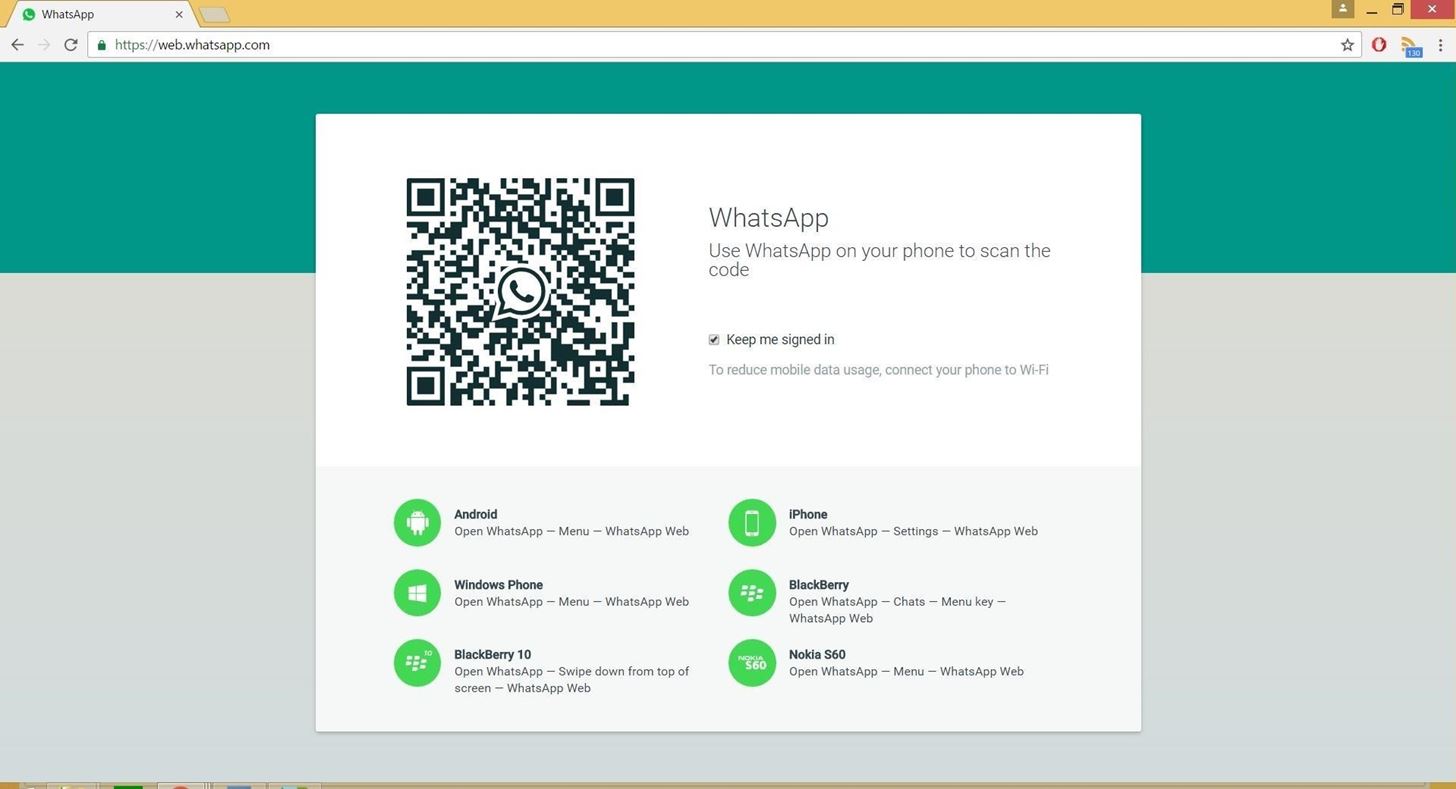
    When using the web version, you can easily manage multiple conversation windows. Simply click on any contact in your chat list to quickly view details and conversation history. Additionally, simple drag-and-drop functionality makes uploading attachments and files quick and hassle-free. To further enhance your experience, try using keyboard shortcuts; for instance, pressing Ctrl+N starts a new chat, while Ctrl+Shift+[ or ] lets you quickly switch between conversations—small tricks that ensure a smoother user experience. Also, remember to check your settings and enable notifications so you don’t miss important messages. Setting up WhatsApp Web is incredibly easy: just scan the QR code to sync your mobile account with your computer. Your chat history, contact list, and other data update automatically—eliminating the need for manual entry or configuration and significantly boosting efficiency. This convenience offers a fresh way to stay connected amidst a busy lifestyle. Furthermore, WhatsApp Web supports multi-device synchronization, meaning you can stay online whether you are at home or on the go. You can switch freely between devices without missing critical information, offering users great flexibility and peace of mind. In today’s digital age, instant messaging is an essential part of daily communication, and WhatsApp Web makes it easier than ever to stay in touch with friends and family from your computer. First, ensure both your phone and computer are connected to the internet to use the web app smoothly. Open your browser and visit How to log in to WhatsApp Web, where you will see a QR code. Next, open WhatsApp on your phone, select “Linked Devices” from the menu, and scan the displayed QR code. This quick and simple process makes messaging from your computer effortless; you can even use your keyboard for rapid typing, greatly improving communication efficiency.

    Finally, remember to update your software regularly to access the latest features and security patches. Additionally, you can manage privacy and notification settings to suit your preferences. Familiarizing yourself with these features makes using the web version seamless, allowing you to move beyond the hassles of mobile-only usage and enjoy a more satisfying chatting experience. These tips will give you greater control over your online communication, enabling truly smooth and unrestricted conversations on your computer. Finally, don’t overlook security. When using WhatsApp Web on a public computer, always log out to prevent information leaks. Regularly checking your security settings is also crucial for protecting your personal data while enjoying the convenience of the platform. Unlocking the full potential of WhatsApp Web will enhance your communication capabilities and make your interactions more effortless. Many users may be unaware of certain handy tricks when using How to use the WS web version. For instance, keyboard shortcuts allow for efficient navigation and feature usage; pressing “Command + N” instantly starts a new conversation, while “Ctrl + Shift + ]” quickly jumps to the next chat. In today’s digital age, WhatsApp has become an essential communication tool. Users frequently rely on WhatsApp Web to boost efficiency in both their professional and personal lives. Accessing WhatsApp Web via a computer not only simplifies messaging but also allows you to manage important conversations on a larger screen, streamlining both social and work-related interactions. Another lesser-known tip is the use of the tagging feature. You can assign tags to important chats in WhatsApp Web, making them easier to locate later. Simply right-click on a chat and apply an appropriate tag to keep your conversations organized and save time searching. You can also customize sound effects through the web settings—for example, by selecting specific contacts or groups that trigger notifications, you can avoid being disturbed by irrelevant messages. This improves the user experience and boosts productivity while working. In the modern workplace, the efficient use of tools is key to productivity. As a popular communication tool packed with versatile features, WhatsApp Web facilitates better team collaboration and communication. Leveraging these features allows for more convenient handling of daily tasks, ultimately saving time and energy. For starters, WhatsApp Web enables you to send and receive messages directly on your computer, eliminating the need to constantly check your phone. This approach not only helps prevent eye strain but also boosts typing efficiency. It is also worth noting that the large-screen interface allows for clearer reading, preventing information from being missed due to small screen sizes. In today’s digital era, remote work has become a growing trend, and for many, WhatsApp Web has become an invaluable communication tool. It enables convenient, real-time chat with colleagues, thereby enhancing work productivity.

  • Removals in Brighton and Chelsea: Tailoring Your Move to Your Household

    Removals in Brighton and Chelsea: Tailoring Your Move to Your Household

    No two households move the same way. A retired couple downsizing from a large family home has entirely different priorities from a young professional relocating for work, or a family with children trying to keep some semblance of routine intact during a chaotic week. Generic moving advice tends to flatten these differences, when really the smartest approach is understanding how your specific situation interacts with the particular quirks of a place like Brighton or Chelsea.

    This article looks at how different household circumstances shape the moving process in these two locations, with practical guidance suited to each scenario.

    Moving With Children: Protecting Routine Amid the Chaos

    Anyone who has tried to coordinate a house move while also managing school runs and bedtime routines knows how quickly priorities shift once children are involved. The goal becomes less about efficiency and more about minimising disruption, keeping some familiar rhythm intact even as the rest of the household gets packed into boxes.

    Where possible, arrange for children to be cared for by a relative or friend during the busiest hours of loading and unloading. This isn’t about shutting them out of the process entirely, but rather protecting them from the genuinely hazardous parts of moving day: narrow hallways filled with boxes, heavy furniture being manoeuvred through doorways, and a generally distracted household.

    Practical Steps for Family Moves

    • Pack each child’s essentials separately: a favourite toy, familiar bedding, and a few days of clothing
    • Keep school-related documents and uniforms in a clearly labelled bag rather than a general box
    • Set up at least one familiar space, ideally a child’s bedroom, as early as possible in the new property
    • If relocating locally within Brighton, consider whether keeping the same school is realistic, since this can meaningfully reduce disruption

    Families comparing Professional Removals Brighton companies should also ask whether the team is comfortable working around a household with children present, since some prefer a fully cleared property for safety and speed, while others are used to navigating around a busier, more populated moving day.

    Moving With Pets in a Coastal or Urban Setting

    Pets rarely understand what’s happening during a move, but they tend to sense the shift in atmosphere well before the first box gets carried out. Cats generally cope best when confined to one quiet room with familiar bedding and their litter tray, away from the main traffic of the move, until the worst of the activity has passed.

    Dogs often do better with a good walk beforehand to burn off some energy, followed by somewhere secure to wait out the busiest hours, whether that’s a neighbour’s house, a garden, or a quiet room away from constantly opening doors.

    Considerations Specific to Pet Owners

    • Keep food, medication, and comfort items separate from general packing for immediate access
    • Update microchip details and any relevant registrations as soon as your new address is confirmed
    • Research a new vet practice in advance if moving a meaningful distance, rather than leaving it until an emergency arises
    • Bring a familiar blanket or bed to help pets settle more quickly in unfamiliar surroundings

    Downsizing: A Move With Different Priorities

    Downsizing, whether prompted by children leaving home or a broader lifestyle shift, brings emotional weight that a straightforward like-for-like move doesn’t usually involve. The core challenge isn’t logistics so much as decision-making: what to keep, what to let go of, and what simply won’t fit in a smaller space.

    Starting this process early, ideally two to three months ahead, allows for considered decisions rather than rushed ones made under pressure in the final week. It also ensures the volume quoted to your removals company reflects what’s actually moving, rather than an estimate based on the old property’s full contents.

    Making Downsizing More Manageable

    1. Sort belongings into clear categories: keep, sell, donate, and dispose of
    2. Measure the new property’s rooms and storage space before deciding what furniture to bring
    3. Consider whether short-term storage might help while sorting through sentimental items
    4. Involve family members early where certain belongings carry emotional significance, to avoid rushed decisions on the day itself

    Moving Into a Chelsea Flat or Apartment

    Chelsea’s property landscape leans heavily toward flats and apartments, many within managed buildings with concierge services and shared access. This adds a layer of coordination that a standalone house move simply doesn’t require, and it becomes especially relevant for anyone downsizing into a smaller Chelsea property or relocating for work.

    Anyone comparing Removals Chelsea UK companies for a flat move should confirm directly with building management whether there are restricted hours for deliveries, and whether the removals company needs to provide documentation, such as proof of insurance, before being granted access. This information doesn’t always align perfectly with what your removals company tells you, so it’s worth checking both sources independently.

    Specific Considerations for Flat Moves

    • Confirm whether larger furniture will fit through communal doorways and stairwells
    • Check whether the lift has a weight or size limit that might affect how items are moved
    • Verify whether nearby parking is realistic for a removal van, or whether a formal council arrangement is needed
    • Factor in additional time if items need carrying up multiple flights of stairs rather than relying on a lift

    When a Move Involves Combining or Splitting a Household

    Some moves involve merging two households into one, often following a new relationship or changed family circumstances, while others involve a household splitting into two separate properties. Both scenarios bring planning challenges that a standard move doesn’t quite anticipate.

    Combining households frequently means confronting duplicate furniture and appliances, and deciding early what to keep avoids arriving at the new property with two sofas and limited space for either. Splitting a household, meanwhile, often requires two separate removals bookings, sometimes coordinated on the same day, which benefits from clear upfront communication with the removals company about timing across both properties.

    Choosing a Company That Fits Your Household

    Regardless of your specific circumstances, the underlying principle remains consistent: be specific about your situation when requesting quotes. A family managing young children, a household with an anxious cat, or someone downsizing after decades in one home all benefit from working with a removals company that understands these nuances, rather than treating every job as identical.

    Ask directly whether the company has handled situations similar to yours before, and don’t hesitate to mention details that might seem minor but genuinely shape how the day unfolds, such as a toddler’s nap schedule or a pet that reacts badly to unfamiliar noise.

    Frequently Asked Questions

    How can I keep young children settled during a house move?

    Arrange for them to be cared for elsewhere during the busiest hours if possible, and pack their essentials separately so familiar items are available immediately in the new home.

    What’s the best approach for an anxious pet on moving day?

    Confine pets to a quiet room with familiar bedding until loading and unloading is largely finished, keeping food, medication, and comfort items easily accessible.

    How early should I start sorting belongings before downsizing?

    Two to three months is a sensible window, giving enough time to make thoughtful decisions about what to keep, sell, or donate without rushing.

    What should I confirm before moving into a Chelsea flat with shared access?

    Confirm lift booking procedures, any weight or size limits, permitted moving hours, and whether the removals company must provide documentation to building management.

    Can two moves happen on the same day if a household is splitting?

    Yes, though this requires clear coordination with your removals company regarding timing and logistics across both properties, so confirm this well in advance.

    Should I mention personal circumstances like children or pets when requesting a quote?

    Yes, sharing these details helps the company plan realistically and ensures the assigned team is comfortable working around your specific household situation.

  • Whales: Giants of the Ocean

    Whales: Giants of the Ocean

    Whales are among the largest and most remarkable animals on Earth. These marine mammals live in oceans around the world, from warm tropical waters to the cold seas surrounding the poles.

    Life Beneath the Surface

    Although whales spend their lives in water, they breathe air through blowholes located on top of their heads. They must regularly return to the surface to breathe before diving again in search of food or traveling through the ocean.

    Whales are warm-blooded, give birth to live young, and nurse their calves with milk. A thick layer of fat called blubber helps protect them from cold water and stores energy during long migrations.

    Two Main Groups

    Whales are generally divided into baleen whales and toothed whales. Baleen whales filter small animals from the water using flexible plates inside their mouths. This group includes blue whales, humpback whales, and gray whales.

    Toothed whales use teeth to catch fish, squid, and other prey. Many of them also use echolocation, producing sounds and listening for returning echoes to understand their surroundings. Sperm whales, belugas, and orcas belong to this group.

    The Blue Whale

    The blue whale is the largest known animal to have ever lived. An adult can grow longer than a city bus and weigh well over one hundred tonnes. Despite its enormous size, it feeds mainly on tiny crustaceans called krill.

    Communication and Migration

    Whales communicate using clicks, whistles, pulses, and complex songs. Some sounds can travel across great distances underwater. Humpback whales are especially famous for their long, patterned songs.

    Many species migrate thousands of kilometres each year. They often feed in cold, nutrient-rich waters before traveling to warmer regions where they mate and give birth.

    Protecting Whales

    Commercial hunting once caused severe declines in many whale populations. Today, whales also face threats from fishing gear, ship collisions, underwater noise, pollution, and changes to ocean ecosystems.

    Conservation programs, safer fishing practices, protected habitats, and international cooperation can help whale populations recover. Protecting whales also supports healthier oceans because these animals play an important role in marine food webs and nutrient cycles.

  • How to Choose a Top VR Platform for Your Existing Setup

    How to Choose a Top VR Platform for Your Existing Setup

    A top VR platform is only useful if the whole playback chain works. For Brain Dance VR, start with the service’s current information at https://braindancevr.com/, then map the route from content to headset. This simple exercise reveals whether you need a browser, an application, a computer connection or additional hardware before you spend money.

    Draw the route before comparing specifications

    Write the intended setup as a short sequence. A standalone route might involve a headset, its software environment and the content service. A PC route adds a computer, a supported connection and the software needed to present the experience in the headset. The precise arrangement varies by product, so use the current instructions for the devices involved.

    This is particularly helpful when moving from one type of content to another. A headset that works well with an installed game may need a different access method for a web service. Conversely, a successful browser session does not establish that a demanding PC application will run. Each route should be checked on its own terms.

    Distinguish the runtime from the content purchase

    Software layers can have overlapping names and functions. Valve’s official SteamVR listing, for example, describes software for accessing VR experiences with supported headsets and controllers. Installing a runtime is a separate decision from obtaining access to a particular game’s or media service’s content.

    In a comparison, give each dependency its own line. Record the application or browser, headset model, controller requirements and any account you need. This prevents a free component of the setup from making the overall experience appear free, and helps distinguish a missing subscription from a software configuration issue.

    Test the connection you plan to keep

    Run a representative sample using the actual room and network where you expect to watch. A demonstration on somebody else’s equipment may confirm that a platform works somewhere, but it cannot settle how it behaves in your setup. If your intended route uses a cable, check the documented cable and port requirements instead of judging a connector by appearance alone.

    When a problem appears, keep the investigation small. First establish whether the application or browser opens correctly. Then check whether the headset session starts, whether input works and whether content plays. Note the first step that fails. That is more useful than describing everything as “VR does not work.”

    Include recovery in your platform comparison

    Even a good setup may need to recover from an interrupted session. Find out how to reopen the player, return to the library and restore the intended viewing mode. If the service has account-based access, check how signing in works inside the headset. A process that is manageable once can still become frustrating if it must be repeated every evening.

    Help documentation should connect a symptom to a specific action. Prefer instructions that identify the relevant device and software, explain what to check and offer a support route if the problem continues. A compatibility page and a troubleshooting page answer different questions; a useful service should make both easy to find.

    Compare the complete cost of a working setup

    List the content charge, required software and any missing accessories separately. Include recurring charges alongside one-time costs. If the subscription displays an introductory offer, read what happens at renewal rather than comparing only the first payment. Use the currency and terms shown at checkout for the final decision.

    The best result is a short, confirmed path from choosing content to viewing it. A top VR platform should fit that path with understandable requirements and support you can use. Once those basics are established, catalogue preference and optional features become much easier to compare fairly.

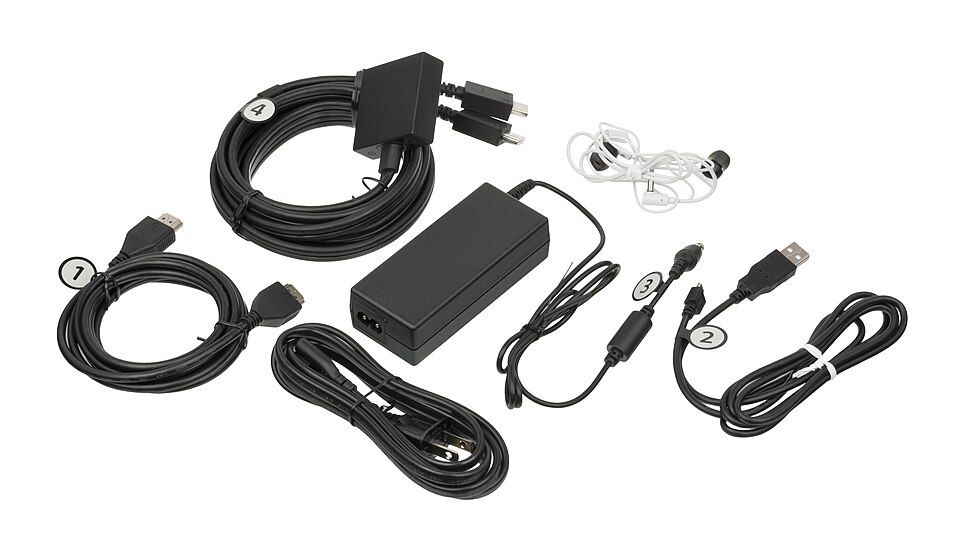
    Image: connection cables for the original PlayStation VR. Photo by Evan-Amos, Wikimedia Commons; public domain. Illustrative hardware; requirements vary by device.