


There’s a funny thing about air conditioners—they rarely quit without giving you a few hints first. The trouble is, most of us are too busy to notice those early warning signs. We chalk up a warm room to the weather, ignore a strange sound coming from the vents, or assume the system is just “working harder than usual.”
Then one afternoon, right in the middle of summer, the cool air disappears.
The truth is that most air conditioning issues develop gradually. What starts as a minor inconvenience can eventually become an expensive repair if left unchecked. Paying attention to your HVAC system and acting on small changes can help you avoid unexpected breakdowns, improve energy efficiency, and extend the life of your equipment.
Let’s look at some of the most common signs your AC may be asking for help.
Your Home Doesn’t Feel as Comfortable as It Used To
One of the earliest clues isn’t dramatic at all.
Maybe your living room cools down quickly, but the bedrooms stay warm. Perhaps the temperature changes from one room to another even though the thermostat remains the same. Sometimes the air simply feels humid instead of refreshing.
These small differences often suggest that the system isn’t distributing air efficiently anymore. Dirty filters, duct leaks, worn components, or airflow restrictions could all contribute to uneven cooling.
It’s easy to overlook these symptoms because they appear slowly, but they’re often the beginning of a larger issue.
Rising Utility Costs Without Any Clear Reason
Many homeowners notice the monthly electric bill before they notice anything unusual about the air conditioner itself.
If your household habits haven’t changed but you’re suddenly seeing higher energy bills, your cooling system may be operating less efficiently than it once did. As components wear down or become dirty, the unit has to work harder and longer to produce the same level of comfort.
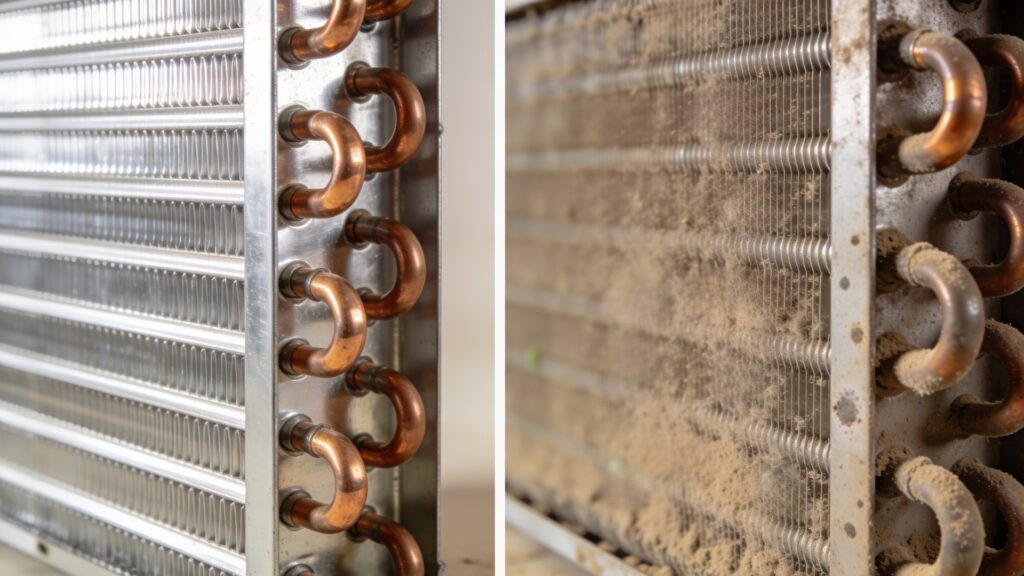
An aging blower motor, clogged coils, restricted airflow, or refrigerant issues can all increase energy consumption.
Comparing your bills over several months can sometimes reveal patterns that point toward a developing HVAC problem.
Longer Cooling Cycles Can Signal Trouble
It’s perfectly normal for an air conditioner to run longer during extremely hot weather. However, if it seems like the system rarely shuts off—even during moderate temperatures—that deserves a closer look.
A continuous cooling cycle often indicates that the air conditioner is struggling to reach the thermostat setting. The cause may involve poor airflow, refrigerant concerns, dirty condenser coils, thermostat calibration issues, or equipment that has become less efficient over time.
Besides increasing energy usage, nonstop operation places extra wear on important components, reducing the overall lifespan of the system.
An air conditioner should work steadily—not endlessly.
Weak Airflow Shouldn’t Be Ignored
Stand near one of your supply vents.
Does the airflow feel strong and consistent, or is it noticeably weaker than you remember?
Weak airflow usually points toward a problem somewhere within the system. Dirty air filters remain one of the most common causes, but damaged blower motors, blocked ducts, or partially closed vents can also reduce air circulation.
Good airflow allows your entire HVAC system to perform efficiently. When airflow decreases, comfort often disappears long before the unit completely stops working.
Fortunately, this is often one of the easier problems to diagnose and correct.
Strange Sounds Usually Mean Something Has Changed
Most air conditioners create a steady background hum that homeowners barely notice.
New noises are different.
Rattling may indicate loose hardware. Buzzing could point toward electrical concerns. Squealing sometimes suggests worn belts or motor bearings, while grinding noises should never be ignored.
Mechanical components naturally wear over time, and unusual sounds often provide early warning before complete failure occurs.
Catching these issues early typically results in simpler—and less expensive—repairs.
Moisture Around the Indoor Unit Isn’t Normal
A small amount of condensation is expected during normal operation, but standing water around the indoor air handler deserves attention.
Blocked condensate drains, damaged drain pans, or excessive moisture inside the system can eventually lead to water damage or mold growth if left unresolved.
If you notice persistent leaks, it’s worth scheduling service before the problem spreads beyond the HVAC equipment itself.
Sometimes the water issue is minor. Sometimes it’s the first sign of something more significant.
Warm Air From the Vents Is Never Good News
Perhaps the most obvious warning sign is warm air coming from your vents when the thermostat is calling for cooling.
Several issues can create this symptom, including thermostat malfunctions, compressor problems, refrigerant leaks, dirty coils, or airflow restrictions.
Instead of repeatedly lowering the thermostat, it’s better to identify the actual cause. Turning the temperature down further won’t solve a mechanical problem—it simply forces the equipment to keep trying.
Don’t Wait Until Minor Issues Become Major Repairs
Homeowners often postpone service because the air conditioner still “sort of works.”
That’s understandable. Life gets busy.
Unfortunately, small HVAC concerns rarely fix themselves. More often, they continue developing until the system experiences complete failure at the worst possible time.
Many cooling system problems begin with simple maintenance items that could have been addressed quickly if discovered earlier. Routine inspections help technicians clean critical components, verify refrigerant performance, tighten electrical connections, inspect moving parts, and identify worn equipment before it causes larger failures.
Preventive maintenance almost always costs less than emergency repairs.
A Little Maintenance Goes a Long Way
Keeping your air conditioner healthy doesn’t require complicated routines.
Replace air filters regularly. Keep supply and return vents open. Remove leaves and debris from around the outdoor unit. Listen for unusual sounds, monitor your energy bills, and pay attention to changes in cooling performance.
These simple habits may seem small, but together they help reduce unnecessary strain on the entire HVAC system.
Like changing the oil in a car, regular maintenance protects a much larger investment.
Stay Ahead of Problems Before Summer Gets Serious
Air conditioners usually provide plenty of warning before they stop working completely. The challenge is recognizing those signs while repairs are still relatively simple.
Whether it’s uneven temperatures, weak airflow, rising utility costs, unusual noises, or longer operating cycles, paying attention to your system can save both money and frustration.
A dependable air conditioner isn’t just about comfort—it’s about reliability, efficiency, and peace of mind when outdoor temperatures are at their highest. By acting early and scheduling routine maintenance, you’ll give your HVAC system its best chance to keep your home cool for many summers to come.