


Vehicle wraps are more than just flashy graphics—they’re a statement of style, branding, and protection. From business fleets to personal cars, a well-applied wrap can transform a vehicle’s appearance while offering long-term benefits. But achieving that professional finish requires more than just vinyl; it’s a careful combination of materials, techniques, and quality control. Let’s explore the essential elements that ensure your wrap looks incredible and stands the test of time.
Choosing the Right Vinyl for Longevity
Not all vinyl films are created equal. Selecting the right material is crucial for achieving a smooth finish and lasting durability. For many installers, using Avery certified vinyl provides a reliable starting point. These films are engineered for flexibility, ease of installation, and long-lasting color retention. The difference is noticeable: edges conform better to curves, seams are tighter, and overall coverage looks seamless.
Investing in quality vinyl is a decision that pays off over the long term. Cheaper alternatives might save money upfront, but they often compromise the lifespan, leading to early fading, peeling, or bubbling. A premium vinyl, on the other hand, provides both aesthetic appeal and resilience.
The Role of Durability Testing
Before a wrap ever touches a vehicle, professional installers consider how it will perform under real-world conditions. Durability testing ensures that the vinyl can withstand sunlight, moisture, and temperature fluctuations without degrading. This is especially important for vehicles that spend long hours outdoors or travel across varying climates.
Testing also helps predict potential problem areas, such as corners or high-stress curves. By understanding how the material behaves under pressure, installers can adjust techniques to prevent wrinkles, air pockets, or adhesive failure. In essence, durability testing isn’t just about longevity—it’s about delivering a flawless, worry-free result.
Surface Preparation: The Unsung Hero
Even the best vinyl can fail if the underlying surface isn’t properly prepared. Vehicles need to be cleaned, degreased, and free from dust or old adhesive. Tiny contaminants can prevent the vinyl from sticking properly, resulting in bubbles or peeling over time.
Preparation may seem tedious, but it’s a critical foundation. Taking the time to prep the surface ensures the vinyl adheres evenly, creating a sleek, professional appearance. Installers often spend hours on this stage, knowing that a flawless finish begins with a clean canvas.
Installation Techniques Matter
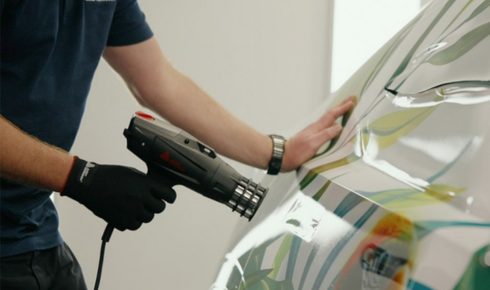
Wrapping a vehicle isn’t as simple as laying down a sheet of vinyl. It involves precise measurement, cutting, and stretching to conform perfectly to curves and recesses. Heat guns are often used to make the vinyl pliable, but too much heat can damage both the material and the vehicle’s paint.
Professional installers rely on careful technique to ensure a smooth application. Every squeegee stroke and trim cut contributes to a polished look, making the difference between a wrap that looks amateurish and one that looks professional.
Quality Assurance for Every Project
After installation, thorough quality assurance is key. Every wrap undergoes a final inspection to check for imperfections like misaligned edges, trapped air, or minor scratches. This attention to detail guarantees that the finished vehicle meets both aesthetic and functional standards.
Quality assurance isn’t just about appearances—it also protects your investment. A well-executed wrap stays vibrant longer, resists environmental wear, and continues to protect the vehicle’s paint beneath.
Maintenance Tips to Extend Lifespan
Proper care after installation ensures that your wrap looks as good months or even years down the line as it did on day one. Avoid harsh chemicals and abrasive cleaning tools; gentle hand washing with mild soap is ideal. Inspect edges and seams regularly for lifting or minor damage, addressing issues early to prevent larger problems.
A high-quality wrap also serves as a protective layer for the underlying paint, shielding it from UV rays, minor scratches, and environmental damage. With proper maintenance, both the wrap and your vehicle’s finish can remain in pristine condition.
Removing and Replacing Vinyl
Eventually, wraps reach the end of their lifecycle. Removal requires patience and the right technique: applying controlled heat and peeling slowly prevents damage to the vehicle’s paint and reduces leftover adhesive. High-quality vinyl, like Avery certified films, is designed for easier removal, ensuring a clean surface for a new wrap.
Replacing a wrap is straightforward if the vehicle has been maintained well. Smooth surfaces and precise installation allow the new vinyl to adhere properly, delivering a fresh, professional look without complications.
Final Thoughts: Investing in Excellence
A vehicle wrap is more than just a cosmetic enhancement—it’s an investment in style, branding, and protection. By choosing Avery certified vinyl, ensuring thorough durability testing, and committing to comprehensive quality assurance, you can enjoy a wrap that looks stunning and lasts for years.
From surface prep to careful installation and ongoing maintenance, attention to detail is the difference between a good wrap and a great one. Whether for a personal vehicle or a business fleet, investing in quality materials and professional expertise ensures a polished, long-lasting result that turns heads everywhere it goes.