


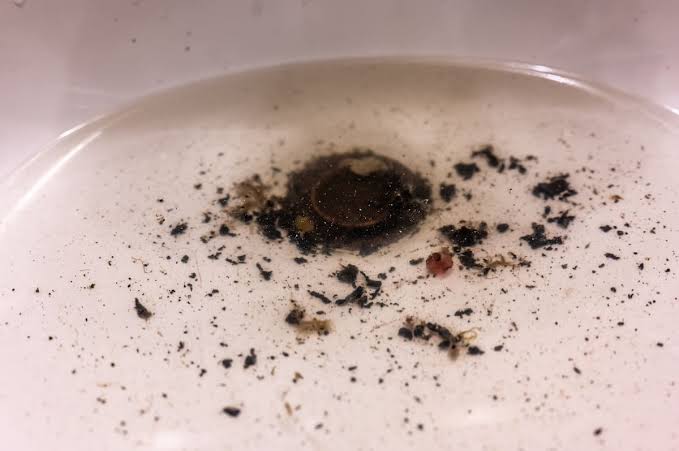
There are some household problems you notice right away. A dripping tap. A toilet that won’t stop running. Then there are the quieter signs — a strange smell when you turn on the shower, orange marks around the sink, or water that simply doesn’t feel quite right.
These clues can be easy to dismiss. After all, water is water, right? Not always.
Changes in smell, appearance, taste, and how water behaves around your home can point to underlying water-quality issues. Sometimes the cause is harmless and relatively easy to address. Other times, it may signal minerals, sediment, bacteria, or other contaminants that deserve a closer look.
The good news is that you don’t need to become a water-treatment expert overnight. Learning what these common warning signs mean is a useful first step.
When Water Starts Smelling Like Rotten Eggs
Few household smells are as memorable as that unmistakable sulfur-like odor. If your tap water occasionally smells like rotten-egg odors, hydrogen sulfide may be involved. This gas can occur naturally in groundwater, particularly in homes that rely on private wells.
The smell may be strongest when you first turn on a faucet or run hot water. In some cases, the source is the water heater rather than the water supply itself. Certain reactions inside the heater can create hydrogen sulfide, especially when specific components interact with naturally occurring minerals in the water.
While the odor is unpleasant, it doesn’t automatically mean your water is dangerous. Still, a persistent or sudden change shouldn’t simply be ignored. Testing can help determine where the smell is coming from and whether treatment is necessary.
Ventilation, filtration, oxidation systems, and water-heater adjustments can sometimes help, depending on the cause. The right solution starts with identifying the problem rather than treating the smell blindly.
Orange or Brown Marks Around Sinks and Fixtures
Have you ever scrubbed a sink only to see those stubborn orange streaks return a few days later? That’s another clue worth paying attention to.
Iron in water is a common culprit. When dissolved iron comes into contact with oxygen, it can oxidize and leave behind reddish-brown deposits. Over time, these can appear on sinks, toilets, tubs, shower walls, laundry, and even inside plumbing fixtures.
These rust stains aren’t just an aesthetic nuisance. High iron levels can affect the taste and appearance of drinking water, clog certain components, and create maintenance headaches around the house.
Iron can enter groundwater naturally as it moves through soil and rock. In other situations, corrosion within older plumbing may contribute to discoloration.
The best approach is to test the water and determine whether the iron is dissolved, particulate, or coming from another source. Depending on the results, treatment options may include sediment filtration, iron filters, oxidation systems, or other specialized equipment.
And yes, regular household cleaners may remove the stain. But if the underlying water problem remains, those marks will probably keep coming back.
Hard Water Can Leave More Than a White Film
Hard water is one of those problems you may not recognize immediately. Instead, you notice little annoyances piling up.
Soap doesn’t seem to lather properly. Your shower doors develop cloudy spots. Your dishes come out of the dishwasher looking less than sparkling. Maybe your skin feels dry after bathing, or your hair feels strangely dull.
These issues are often associated with hardness, which refers mainly to dissolved calcium and magnesium in water.
Hard water isn’t generally considered a health hazard by itself. The bigger concern for many households is what it does to plumbing and appliances. Calcium and magnesium can form scale inside pipes, water heaters, showerheads, washing machines, and dishwashers.
That buildup can reduce efficiency and, over time, shorten the useful life of equipment. Water heaters are particularly vulnerable because mineral deposits can accumulate around heating elements or settle at the bottom of the tank.
A water softener can reduce calcium and magnesium, making the water easier on plumbing and household appliances. But not every home needs one. A proper water test should come first, especially if you’re unsure how severe the issue actually is.
Cloudy Water Doesn’t Always Mean Dirty Water
Cloudy or milky-looking water can be alarming. Nobody wants to pour a glass of water that looks like it belongs in a science experiment.
Fortunately, cloudy water isn’t necessarily contaminated.
Sometimes the appearance comes from tiny air bubbles trapped in the water. A simple test is to fill a clear glass and let it sit. If the cloudiness gradually disappears from the bottom upward, trapped air may be responsible.
If the water remains cloudy, however, there could be another explanation. Sediment, minerals, plumbing disturbances, or changes in the water supply can affect clarity.
Private well owners should pay particular attention to sudden changes. A new appearance, taste, or odor may be worth investigating, especially after heavy rain, flooding, maintenance work, or changes in the well system.
What About a Metallic or Unpleasant Taste?
Taste is subjective, but sudden changes can still provide useful information.
A metallic taste may be associated with iron, copper, or other minerals. Chlorine, meanwhile, can give tap water a swimming-pool-like taste or smell. In some areas, naturally occurring minerals can also influence the flavor of drinking water.
The important point is that taste alone can’t tell you exactly what’s happening. Two different water-quality problems can produce similar sensations, while some contaminants have no noticeable taste or smell at all.
That’s why relying solely on your senses isn’t enough. They’re useful warning signals, not laboratory tests.
When Water Quality Starts Affecting Everyday Life
Water problems often become obvious through routine household chores.
Maybe laundry develops an unusual yellow tint. Maybe your showerhead keeps getting clogged. Perhaps you’re replacing water-heating equipment more often than expected. These aren’t always separate problems.
Your home’s water supply interacts with almost everything it touches. Pipes, appliances, fixtures, countertops, clothing, dishes and skin all experience the effects of the water running through the system.
This is particularly important for households using private wells, because well water quality can vary considerably depending on geology, groundwater conditions, seasonal changes, and nearby land activity.
Municipal water systems are treated and monitored, but water quality can still change as water travels through distribution systems and household plumbing. If something seems different, checking the water rather than guessing can save time and money.
Testing Is the Smarter First Step
It’s tempting to buy a filter based on a problem you can see or smell. Sometimes that works. Sometimes it doesn’t.
For example, a basic carbon filter may help with chlorine taste, but it isn’t designed to solve every mineral or contaminant issue. A softener can address hardness, but it isn’t a universal filtration system. Iron treatment varies depending on the form and concentration of iron present.
That’s why water testing matters.
A useful test can help identify pH, hardness, iron, manganese, chlorine, sediment, and other relevant characteristics. For private wells, additional testing may be appropriate depending on local conditions and potential contamination sources.
Once you know what’s actually in the water, you can choose treatment based on evidence rather than advertising claims or guesswork.
A Few Small Clues Can Tell a Bigger Story
Your water doesn’t need to look dramatically dirty before there’s a reason to investigate it. Often, the earliest clues are surprisingly ordinary: a persistent smell, recurring stains, scale around fixtures, a strange taste, or changes in how soap and water behave.
None of these signs automatically means your water is unsafe. But persistent changes are worth understanding.
The goal isn’t to panic over every unusual smell or mark. It’s to pay attention. Good water treatment begins with knowing what you’re dealing with, and a proper water analysis can turn vague household frustrations into a clear, manageable problem.
After all, clean water should feel like one of those things you never have to think about. When you start thinking about it every time you turn on the tap, that’s usually a sign it’s time to take a closer look.