
There’s a particular kind of frustration that comes with owning a home where plumbing problems never seem to end. One month, you’re repairing a leaking bathroom pipe. A few months later, there’s a damp patch on the living room ceiling. Meanwhile, the water pressure isn’t quite what it used to be.
Individually, these problems might not seem especially serious. Together, however, they could indicate that your plumbing deserves a closer look.
Understanding the condition of your existing pipes is an important first step before deciding whether another repair makes sense or a more comprehensive upgrade would offer better value.
Replacing household plumbing isn’t necessarily something people look forward to, but it can make everyday life considerably easier when aging infrastructure becomes a constant source of frustration.
What Happens to Household Pipes as They Age?
Like most building materials, plumbing pipes experience wear over time. The extent of that deterioration depends on their material, installation quality, water chemistry, and surrounding conditions.
Older galvanized steel pipes, for example, may develop internal corrosion that gradually restricts water movement. Other materials can become vulnerable to cracking, weakened connections, or persistent leaks.
Much of this deterioration happens where homeowners cannot easily see it.
You might notice rusty-colored water after returning from a vacation or discover that your shower loses pressure whenever another faucet is running.
These symptoms can have several explanations, so arranging a professional inspection is generally more sensible than assuming everything needs replacing.
Identifying the underlying cause helps you make decisions based on the actual condition of your plumbing rather than the occasional inconvenience.
When a Complete Plumbing Upgrade Makes More Sense
There’s nothing unreasonable about repairing an isolated leak. If the surrounding plumbing remains in good condition, a targeted repair may be entirely sufficient.
However, repeated failures throughout different areas of the house can tell another story.
Investing in whole-home pipe replacement may offer better long-term value when deteriorating materials are responsible for recurring leaks, restricted water flow, or mounting maintenance expenses.
Consider how much you’ve spent on emergency plumbing visits over the past few years. Add the cost of repairing damaged drywall, repainting ceilings, and replacing water-damaged belongings.
Suddenly, those seemingly inexpensive individual repairs might not look quite so economical.
A comprehensive replacement project can address widespread deterioration in a coordinated manner. Nevertheless, the recommendation should be supported by professional findings rather than simply the property’s age.
Understanding How a Repiping Project Works
Many homeowners imagine extensive demolition when they hear that their plumbing needs replacing. While some disruption is unavoidable, careful planning can make the experience significantly more manageable.
Professional residential water line repiping typically involves replacing deteriorated hot and cold water supply pipes, establishing suitable new connections, and testing the updated system before returning it to normal operation.
Plumbers begin by evaluating the property’s construction and plumbing layout.
Depending on accessibility, new pipes may be routed through walls, ceilings, crawl spaces, or other suitable areas.
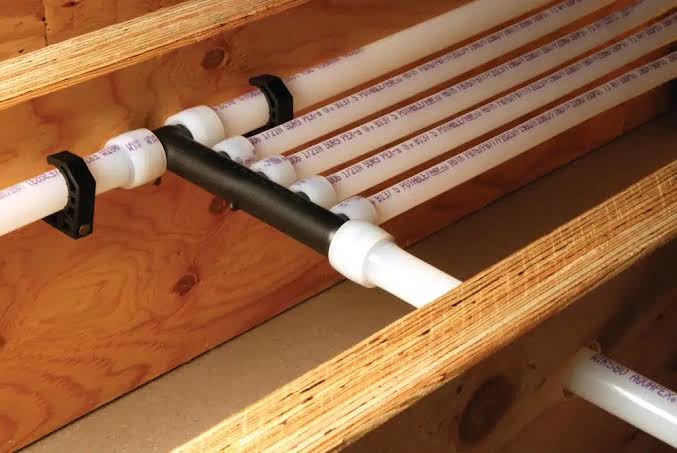
Modern flexible piping can sometimes simplify installation in buildings where traditional rigid materials would require additional access openings.
Before work begins, discuss how much disruption is expected, which areas will require access, and whether restoration work is included.
Knowing what lies ahead helps you prepare without unnecessary anxiety.
Choosing Materials That Make Sense for Your Property
Replacing outdated plumbing provides an opportunity to reconsider which materials are best suited to your household’s requirements.
Copper remains a familiar choice because of its established history in residential applications. However, installation expenses and compatibility with local water chemistry deserve consideration.
PEX piping offers flexibility, which can make routing easier through certain building structures. Longer continuous runs may also reduce the number of individual connections needed.
Other approved piping products may be suitable depending on local plumbing requirements and installation conditions.
There isn’t one perfect material for every household.
Discuss the advantages and limitations of each option with your contractor, and ensure products carrying drinking water are approved for that purpose.
A thoughtful material choice can contribute to dependable performance for years.
Making the Most of Your Plumbing Upgrade
If you’re already replacing household pipes, it’s worth considering whether additional practical improvements could make your plumbing easier to use and maintain.
Perhaps your kitchen and upstairs bathroom struggle to receive adequate water flow simultaneously. Maybe certain shutoff valves are difficult to access.
A repiping project provides an opportunity to address appropriate pipe sizing, improve valve accessibility, and reconsider inefficient plumbing routes.
These details might not seem particularly exciting during the planning stage, but they can become valuable later.
For instance, an accessible shutoff valve can make future fixture repairs much less disruptive.
Talk through these possibilities before installation begins, when adjustments are generally easier to incorporate into the project.
Preparing Your Home for Installation Day
Having contractors working throughout your home requires a little organization.
Clear cupboards, move furniture away from designated work areas, and protect belongings from construction dust.
Discuss temporary water interruptions beforehand so you can plan meals, laundry, and bathroom use accordingly.
It’s also worth confirming whether the quotation includes wall restoration, debris removal, and final system testing.
After installation, keep material specifications, warranty documents, and plumbing records somewhere accessible.
These details may prove useful during future maintenance, renovations, or property sales.
A Home Improvement That Makes Everyday Life Easier
Replacing aging plumbing might not deliver the visual excitement of a remodeled kitchen, but its practical benefits shouldn’t be underestimated.
Dependable water flow, fewer recurring leaks, and greater confidence in your household infrastructure can make ordinary routines considerably more enjoyable.
Start with a thorough inspection, explore suitable replacement options, and choose experienced professionals who communicate clearly.
Sometimes, the most rewarding home improvements are the ones hidden behind the walls. You might never see them again, but you’ll appreciate the difference every single day.
