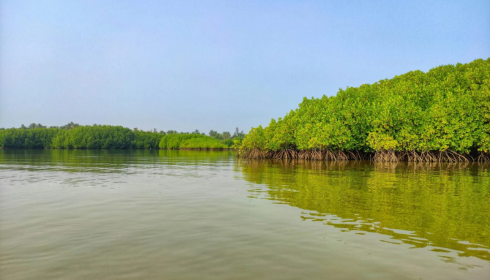
There are some places that don’t just feel like destinations — they feel alive. The Sundarbans is one of them. A vast, breathing maze of rivers, creeks, and mangrove forests, this region has a rhythm of its own. The water rises and falls with the tides, the forests whisper with movement, and every boat ride carries a quiet sense of anticipation. Choosing the right sundarban tour package is often the first step to experiencing this magical balance between nature and mystery.
Unlike crowded hill stations or over-commercialized beaches, the Sundarbans offers something raw and authentic. Here, tourism doesn’t overpower nature; it learns to move alongside it. You wake up to bird calls instead of traffic noise, and evenings are spent watching the sky melt into shades of orange over winding rivers. It’s slow travel in the best possible way.
What Makes the Sundarbans Truly Unique
The Sundarbans is the largest mangrove forest in the world and a UNESCO World Heritage Site. But beyond the titles, what really defines it is its ecosystem. Saltwater crocodiles, spotted deer, water monitors, and hundreds of bird species coexist here. And of course, there’s the quiet legend of the Royal Bengal Tiger — elusive, powerful, and deeply respected by locals.
A well-planned tour allows travelers to explore this landscape safely and responsibly. Guided boat safaris glide through narrow channels where forests lean over the water, creating a tunnel-like effect that feels almost cinematic. Watchtowers such as Sajnekhali and Sudhanyakhali provide moments of pause, letting visitors observe wildlife without disturbing their natural behavior.
The Role of a Knowledgeable Tour Operator
Traveling to a sensitive ecosystem like the Sundarbans isn’t something you want to leave to guesswork. A reliable sundarban tour operator makes all the difference. From arranging permits and safe boat routes to providing trained natural guides, their role goes far beyond basic logistics.
Local expertise matters here. Experienced operators understand tide timings, weather shifts, and animal movement patterns. They also know how to blend comfort with sustainability — offering clean stays, authentic local meals, and respectful interactions with nearby villages. When tours are run responsibly, they not only protect the environment but also support the livelihoods of local communities.
What a Typical Sundarban Tour Includes
Most Sundarban tours are designed for 2 to 3 days, which is ideal for first-time visitors. Packages usually include transportation from nearby cities, accommodation in eco-resorts or lodges, guided forest safaris, and cultural programs showcasing local folk music and dance.
Meals are often simple yet flavorful, featuring fresh fish, rice, and regional spices. Evenings are calm, sometimes spent listening to stories about the forest — tales passed down through generations that reflect both respect and awe for nature.
Best Time to Plan Your Visit
The Sundarbans can be visited year-round, but the most popular months are between October and March when the weather is pleasant and wildlife sightings are more frequent. Summers are warmer but quieter, while monsoons transform the landscape into a lush green expanse, though travel can be limited due to heavy rains.
Why the Experience Feels So Personal
What sets the Sundarbans apart is how it makes you feel present. There’s limited network coverage, fewer distractions, and a constant reminder that nature is in control here. Every sound, every ripple in the water, feels meaningful. It’s not about ticking off attractions — it’s about absorbing a place that has existed long before us and will continue long after.