Introduction
Modern education focuses heavily on practical learning, where students build real working models instead of only studying theory. This approach helps in understanding scientific principles in a more effective and engaging way. Components like electromagnetic devices, precision motors, and aerial systems are commonly used in experimental setups. In this article, we will explore key technologies used in engineering and school-level innovation projects, including motion control devices, automation components, and drone systems that are widely used in science exhibitions and STEM learning.
Science Working Project for Hands-On Learning
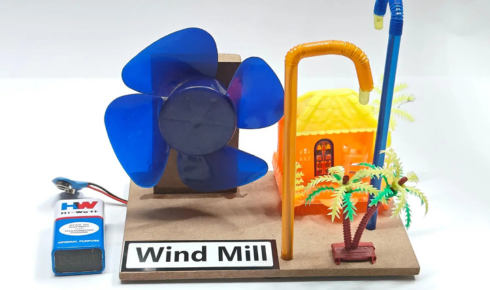
A science working project is a practical model that demonstrates scientific concepts through real operation. Unlike static models, working projects actively show how systems behave under real conditions. These projects can include motion systems, automation circuits, or energy conversion models. Students often use simple electronics, sensors, and motors to build functional prototypes. Such projects help improve problem-solving skills, creativity, and technical understanding. They are widely used in science fairs because they clearly demonstrate theoretical concepts like force, energy, and electricity in action.
Solenoid in Electromagnetic Applications
A solenoid is an electromagnetic device that converts electrical energy into linear mechanical motion. It consists of a coil of wire that creates a magnetic field when current passes through it. This magnetic force moves a metal plunger, making it useful in switches, door locks, valves, and automation systems. In science projects, solenoids are often used to demonstrate electromagnetism and controlled mechanical movement. Students can build simple models like automatic gates or push mechanisms to understand how electrical signals can create precise mechanical actions in real-world applications.
UAV Drone Technology in Modern Innovation
A uav drone (Unmanned Aerial Vehicle) is an advanced flying system used in photography, mapping, surveillance, and delivery systems. Drones operate using multiple motors, flight controllers, and sensors to maintain stability and control. In educational projects, UAV drones help students understand aerodynamics, propulsion, and electronic control systems. Building small drone models introduces learners to concepts like thrust, lift, and balance. These systems are also widely used in research and industrial applications, making them an important part of modern engineering education and technological development.
Stepper Motor for Precision Control Systems
A stepper motor is a special type of motor that moves in precise steps instead of continuous rotation. It is widely used in CNC machines, 3D printers, robotics, and automation systems. Each step corresponds to a specific angle, allowing accurate positioning and control. In science projects, stepper motors are used to demonstrate precision movement and digital control systems. They are ideal for building automated systems like robotic arms, rotating displays, and positioning platforms. Their ability to operate without feedback sensors in some cases makes them highly efficient for controlled motion applications.
Importance of Practical Engineering Education
Hands-on learning plays a crucial role in understanding complex scientific and engineering concepts. By working with devices like solenoids and motors, students can see how electrical signals translate into mechanical motion. This practical approach builds stronger problem-solving skills and encourages innovation. Science working models also help bridge the gap between theory and real-world applications. Students gain confidence by designing, testing, and improving their projects, which prepares them for future careers in robotics, electronics, and aerospace engineering.
Conclusion
Modern science education is evolving toward more interactive and practical learning methods. Devices like solenoids, stepper motors, and UAV drone systems are essential tools in understanding automation, motion control, and aerial technology. Science working projects provide students with valuable hands-on experience, helping them connect theoretical knowledge with real-world applications. These projects not only improve technical skills but also inspire creativity and innovation. As technology continues to advance, such practical learning methods will play a key role in shaping the engineers and scientists of the future.