A warm shower after a long day feels like one of life’s simplest comforts. That is, until the water turns cold unexpectedly or the heater starts making strange noises from the corner of your basement or utility room. Most homeowners don’t think about their water heater very often — it quietly does its job every day. But when something goes wrong, it quickly becomes one of the most important systems in the house.
Knowing when to repair, replace, or maintain your water heater can save you money, prevent inconvenience, and help you avoid a complete system failure at the worst possible time. The good news is that many common issues can be identified early with a little attention.
Recognizing the Signs of Water Heater Problems
Water heaters usually give warning signs before they stop working completely. A sudden drop in water temperature, unusual sounds, rusty-colored water, leaks, or longer heating times are all signals that something may need attention.
Sometimes the problem is simple, like a faulty thermostat or sediment buildup inside the tank. Other times, the unit may be reaching the end of its useful life. Ignoring these signs often leads to bigger problems, including water damage or higher energy bills.
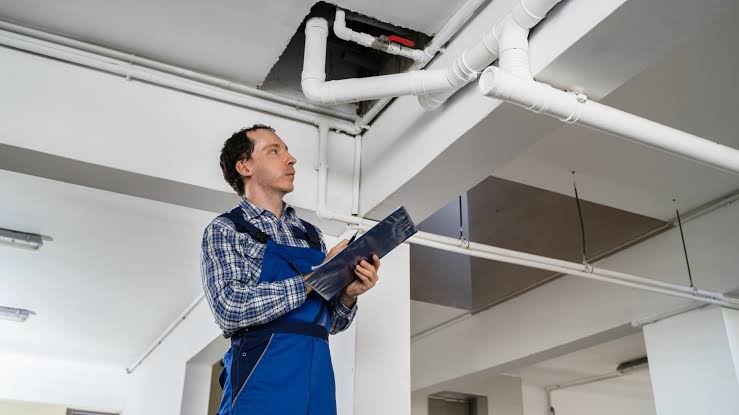
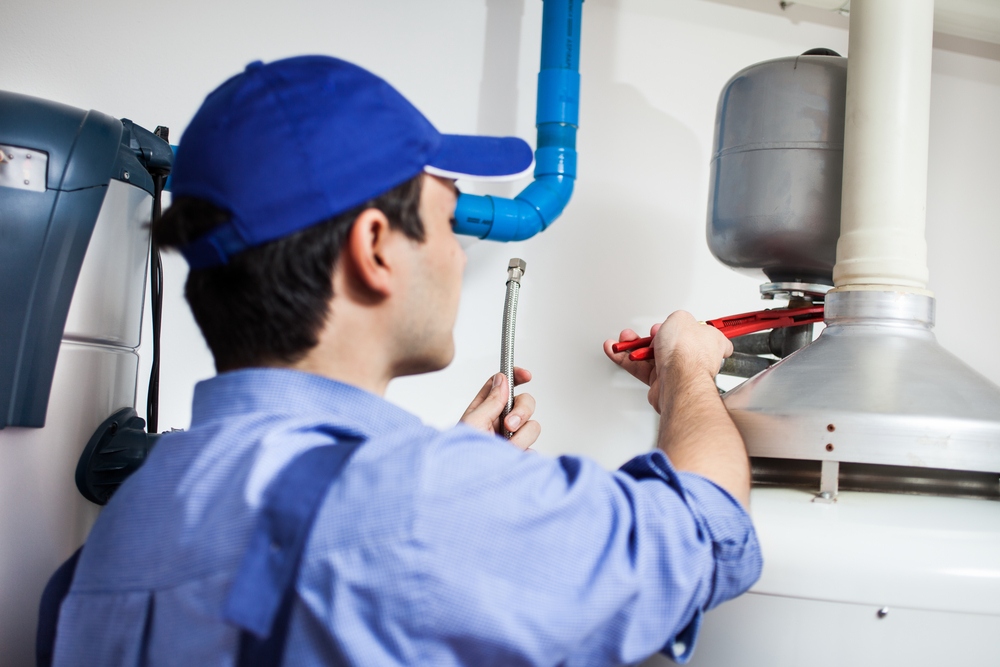
Homeowners often search for hot water heater repair when they notice these issues because professional repairs can restore performance without the cost of installing a brand-new system. A trained technician can inspect the unit, identify the cause, and determine whether fixing the problem makes financial sense.
Common Reasons Water Heaters Stop Working Properly
Several issues can affect the performance of a water heater over time. One of the most common problems is mineral buildup, especially in areas with hard water. Sediment collects at the bottom of the tank, making the system work harder to heat water efficiently.
Other problems may include damaged heating elements, pressure valve failures, broken thermostats, or issues with gas burners. Even small parts can have a big impact on how well the system performs.
Another overlooked issue is age. Many traditional water heaters provide reliable service for years, but they are not designed to last forever. As components wear down, repairs may become more frequent and expensive.
When Repair Is No Longer the Best Option
Repairing a water heater can be a smart choice when the unit is relatively new and the issue is minor. But there comes a point when continuing to fix an old system is simply putting money into equipment that may fail again soon.
If your water heater is leaking from the tank, producing rusty water, or requiring repeated repairs, replacement may be the better investment. A newer model can provide improved efficiency, better safety features, and more consistent performance.
Many homeowners consider hot water heater replacement when repair costs start approaching the price of a new installation. While replacing a water heater requires an upfront investment, it can reduce future headaches and potentially lower monthly energy expenses.
Choosing the Right Replacement System for Your Home
If replacement becomes necessary, choosing the right water heater matters. There are several options available, including traditional storage tanks, tankless models, heat pump water heaters, and energy-efficient electric or gas systems.
The best choice depends on your household size, water usage, budget, and available energy sources. A family with several people using hot water throughout the day may need a larger capacity system, while a smaller household may benefit from a compact and efficient option.
It’s also important to think about installation quality. Even the best water heater can underperform if it is not installed correctly. Professional installation ensures proper connections, safe operation, and better long-term reliability.
Regular Maintenance Can Prevent Expensive Problems
Many water heater failures happen because basic maintenance is overlooked. Like any major home appliance, water heaters need occasional care to continue working efficiently.
Flushing the tank to remove sediment, checking valves, inspecting connections, and testing important components can extend the life of the system. Regular maintenance also helps identify small problems before they become expensive repairs.
A professional hot water tank service appointment can provide a complete inspection and cleaning process. During a service visit, technicians can check for leaks, evaluate performance, and recommend adjustments that improve efficiency.
Routine service is especially valuable for older units because it gives homeowners a better understanding of the system’s condition and expected lifespan.
Saving Money Through Smart Water Heater Decisions
Replacing or repairing a water heater is not just about restoring hot water. It is also about making a practical financial decision. Energy-efficient models may cost more initially but can provide savings over many years.
Simple habits can also reduce strain on your system. Using low-flow fixtures, fixing leaks quickly, and avoiding unnecessary hot water use can all help improve efficiency.
Many homeowners wait until their water heater completely fails before taking action. Unfortunately, that often results in rushed decisions and emergency expenses. Planning ahead gives you time to compare options and choose the best solution for your home.
Keeping Your Home Comfortable Year After Year
A reliable water heater plays a bigger role in daily life than many people realize. From morning routines to household chores, having dependable hot water makes everything run more smoothly.
Whether your current system needs a small repair, regular maintenance, or a complete upgrade, paying attention to warning signs is always a smart move. A little care today can prevent major problems tomorrow.
The goal is simple: a water heater that works efficiently, safely, and consistently whenever your family needs it. With proper service and informed decisions, you can enjoy comfort and peace of mind for many years.