Category: Home Services

  • Why Water Flow, Energy Use, and Maintenance Matter When Choosing a Water Treatment System

    Why Water Flow, Energy Use, and Maintenance Matter When Choosing a Water Treatment System

    Most people shopping for a water treatment system start with one question: “How much does it cost?”It makes sense. Nobody wants to spend more than necessary. But when you’re choosing equipment for a home, office, restaurant, or commercial property, the purchase price is only one part of the story.

    What happens after installation can matter just as much.

    A system that can’t keep up with demand can become frustrating. Equipment that uses more energy than expected can slowly increase operating expenses. And a system that’s difficult to maintain may turn a seemingly good purchase into an ongoing headache.

    Water treatment is one of those things that tends to work quietly in the background. That’s exactly why it’s worth thinking carefully about how it will perform over the next several years, not just on installation day.

    Start With Your Actual Water Needs

    Before comparing brands or models, understand the water entering the property.

    Hardness, sediment, chlorine, iron, dissolved solids, pH, and other characteristics can all influence what kind of treatment is appropriate. A water test can help identify the main issues.

    This is especially important because different technologies solve different problems.

    A water softener is designed primarily to address hardness. Sediment filters capture particles. Activated carbon can improve taste and odor and reduce certain substances. Reverse osmosis can reduce many dissolved contaminants.

    There isn’t a single machine that does everything perfectly.

    Once you know what you’re dealing with, choosing equipment becomes much less of a guessing game.

    Why Water Flow Matters

    Imagine installing a filter that works beautifully when one faucet is running.

    Then someone turns on the shower.

    Someone else starts the washing machine.

    The dishwasher kicks in.

    Suddenly, the system has a much bigger job to do.

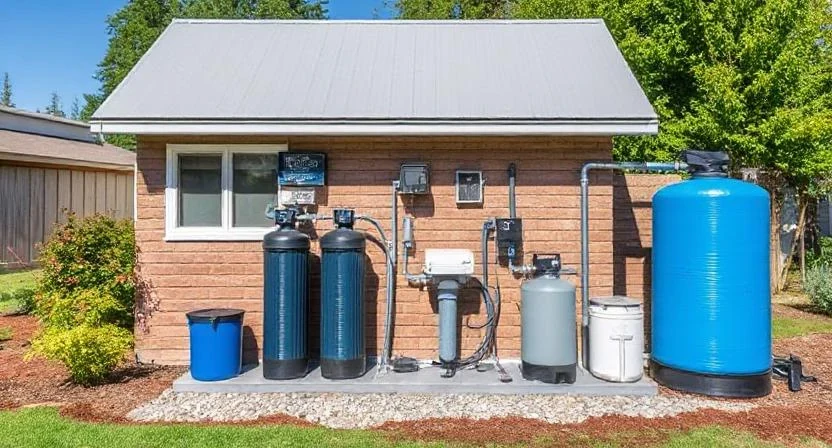
    This is why water flow deserves attention when choosing whole-house or commercial treatment equipment. A system needs to handle the property’s peak demand while maintaining appropriate pressure.

    Looking only at average daily consumption can be misleading. A home may use plenty of water over 24 hours but still have relatively short periods when several fixtures operate simultaneously.

    Commercial properties can have even larger fluctuations.

    A restaurant may have heavy demand during preparation and cleanup. A hotel may see major usage in the morning and evening. An industrial facility may experience peaks tied directly to production.

    Sizing should reflect those realities.

    The Problem With Undersized Equipment

    An undersized treatment system may seem attractive because it costs less upfront.

    But saving money at installation isn’t particularly helpful if the system struggles to keep up.

    Depending on the technology, insufficient capacity can lead to frequent regeneration, reduced treatment performance, pressure issues, or faster consumption of filter media.

    It can also make equipment seem unreliable when the real problem is simply that it was never properly sized.

    Before buying, ask the supplier to explain the recommended capacity and how it was calculated.

    If the answer is based only on the number of people in the building, keep asking questions. Water use isn’t always that simple.

    Energy Consumption Is Easy to Overlook

    Water treatment equipment can use energy in different ways.

    Some systems rely on pumps. Others may use electric controls, automated valves, ultraviolet systems, or other components. Reverse osmosis systems, for instance, may require pressurization to move water through their membranes.

    The actual energy use depends heavily on system design and operating conditions.

    That’s why energy costs should be considered alongside purchase price when comparing options.

    A system that is slightly more expensive but operates efficiently may make more sense over several years than a cheaper system with higher ongoing operating requirements.

    Don’t expect dramatic savings simply because a product is advertised as “energy efficient,” though. Ask for practical specifications and consider how the equipment will operate in your specific facility.

    Water Waste Can Matter Too

    Energy isn’t the only operating consideration.

    Some water treatment processes produce wastewater as part of normal operation. Reverse osmosis is a familiar example, although modern systems can be designed with improved recovery rates.

    For a small household, the difference may be relatively modest. In a high-use commercial facility, however, water waste can become a meaningful operating expense.

    If water costs are significant in your area, ask about recovery rates and how much incoming water is required to produce the amount of treated water you actually need.

    This is another reason total operating cost is more useful than simply comparing equipment prices.

    Maintenance Is Part of Ownership

    Every treatment system requires some form of maintenance.

    Filters need replacement. Softener systems need attention to salt or regenerant supplies. Reverse osmosis membranes eventually need replacement. Pumps, valves, tanks, and controls can wear over time.

    A system that is difficult to maintain may create unnecessary maintenance expenses, particularly if every small service task requires a technician.

    Before installation, ask what routine maintenance looks like.

    How often do filters need replacing? How long do membranes typically last? What parts are considered consumables? Can routine tasks be handled by staff, or does the manufacturer recommend professional service?

    These aren’t boring questions. They’re the questions that become important six months later.

    Think About Replacement Parts

    A water treatment system is only useful if you can keep it running.

    Check whether replacement filters, resin, membranes, valves, and other components are readily available.

    Some products may look affordable until you discover that replacement cartridges are expensive or difficult to source.

    For commercial properties, this can be even more important. A delayed replacement part can potentially mean downtime, and downtime can cost much more than the part itself.

    A reliable supplier should be able to explain the expected availability of consumables and service components.

    Don’t Ignore Installation Quality

    Even excellent equipment can perform poorly if it’s installed incorrectly.

    The installation needs to account for plumbing, pressure, drainage, electrical requirements, available space, and the system’s operating specifications.

    Poor installation can create leaks, pressure problems, premature wear, or maintenance difficulties.

    Ask exactly what is included in the installation quote.

    Is startup included? Will the installer check the system after commissioning? Will someone explain the controls and maintenance schedule?

    A little clarity upfront can prevent confusion later.

    Compare Systems by Total Ownership Cost

    A useful way to compare treatment systems is to look beyond the initial price.

    Consider:

    • Equipment and installation
    • Electricity consumption
    • Water usage and wastewater
    • Replacement filters or membranes
    • Salt or regenerant
    • Routine service
    • Expected equipment lifespan
    • Potential downtime

    This gives you a much more realistic picture.

    A system that costs $500 less today may not actually be cheaper if it consumes more resources and requires frequent service.

    Likewise, an expensive system isn’t automatically better.

    The sweet spot is equipment that provides the treatment you need without unnecessary complexity or operating costs.

    Don’t Buy Features You Won’t Use

    Water treatment marketing can make it tempting to choose the system with the longest list of features.

    More sensors. More stages. More automation. Bigger capacity.

    But every additional component can add cost and potentially another thing that needs maintenance.

    Choose features because they solve a real problem.

    If automatic monitoring is useful for your facility, great. If you don’t need it, there’s no reason to pay for it just because it sounds impressive.

    Simple equipment that does its job reliably can be a very good choice.

    Plan for the Future

    Your water needs today may not be the same five years from now.

    A business may expand. A family may grow. A property may add bathrooms or new equipment.

    When selecting a treatment system, consider whether it has reasonable flexibility for future demand.

    You don’t necessarily need to oversize the system from day one. But understanding expansion possibilities can help you avoid replacing the entire setup later.

    The Best System Is the One You Can Live With

    Choosing water treatment equipment isn’t just a technical decision.

    It’s a practical one.

    The system has to provide adequate flow, operate at a reasonable cost, fit the available space, and be easy enough to maintain that it doesn’t become another recurring problem.

    Start with the water. Understand your usage. Look at peak demand. Compare operating requirements, not just purchase prices.

    Then think about what ownership will actually feel like.

    A good system should quietly make life easier. You shouldn’t constantly be checking it, worrying about whether it can keep up, or wondering when the next expensive service call will arrive.

    When the equipment is properly selected, correctly installed, and regularly maintained, it fades into the background.

    And really, that’s the ideal outcome.

    Good water treatment shouldn’t demand attention. It should simply keep doing its job, day after day.

  • Removals in Brighton and Chelsea: Tailoring Your Move to Your Household

    Removals in Brighton and Chelsea: Tailoring Your Move to Your Household

    No two households move the same way. A retired couple downsizing from a large family home has entirely different priorities from a young professional relocating for work, or a family with children trying to keep some semblance of routine intact during a chaotic week. Generic moving advice tends to flatten these differences, when really the smartest approach is understanding how your specific situation interacts with the particular quirks of a place like Brighton or Chelsea.

    This article looks at how different household circumstances shape the moving process in these two locations, with practical guidance suited to each scenario.

    Moving With Children: Protecting Routine Amid the Chaos

    Anyone who has tried to coordinate a house move while also managing school runs and bedtime routines knows how quickly priorities shift once children are involved. The goal becomes less about efficiency and more about minimising disruption, keeping some familiar rhythm intact even as the rest of the household gets packed into boxes.

    Where possible, arrange for children to be cared for by a relative or friend during the busiest hours of loading and unloading. This isn’t about shutting them out of the process entirely, but rather protecting them from the genuinely hazardous parts of moving day: narrow hallways filled with boxes, heavy furniture being manoeuvred through doorways, and a generally distracted household.

    Practical Steps for Family Moves

    • Pack each child’s essentials separately: a favourite toy, familiar bedding, and a few days of clothing
    • Keep school-related documents and uniforms in a clearly labelled bag rather than a general box
    • Set up at least one familiar space, ideally a child’s bedroom, as early as possible in the new property
    • If relocating locally within Brighton, consider whether keeping the same school is realistic, since this can meaningfully reduce disruption

    Families comparing Professional Removals Brighton companies should also ask whether the team is comfortable working around a household with children present, since some prefer a fully cleared property for safety and speed, while others are used to navigating around a busier, more populated moving day.

    Moving With Pets in a Coastal or Urban Setting

    Pets rarely understand what’s happening during a move, but they tend to sense the shift in atmosphere well before the first box gets carried out. Cats generally cope best when confined to one quiet room with familiar bedding and their litter tray, away from the main traffic of the move, until the worst of the activity has passed.

    Dogs often do better with a good walk beforehand to burn off some energy, followed by somewhere secure to wait out the busiest hours, whether that’s a neighbour’s house, a garden, or a quiet room away from constantly opening doors.

    Considerations Specific to Pet Owners

    • Keep food, medication, and comfort items separate from general packing for immediate access
    • Update microchip details and any relevant registrations as soon as your new address is confirmed
    • Research a new vet practice in advance if moving a meaningful distance, rather than leaving it until an emergency arises
    • Bring a familiar blanket or bed to help pets settle more quickly in unfamiliar surroundings

    Downsizing: A Move With Different Priorities

    Downsizing, whether prompted by children leaving home or a broader lifestyle shift, brings emotional weight that a straightforward like-for-like move doesn’t usually involve. The core challenge isn’t logistics so much as decision-making: what to keep, what to let go of, and what simply won’t fit in a smaller space.

    Starting this process early, ideally two to three months ahead, allows for considered decisions rather than rushed ones made under pressure in the final week. It also ensures the volume quoted to your removals company reflects what’s actually moving, rather than an estimate based on the old property’s full contents.

    Making Downsizing More Manageable

    1. Sort belongings into clear categories: keep, sell, donate, and dispose of
    2. Measure the new property’s rooms and storage space before deciding what furniture to bring
    3. Consider whether short-term storage might help while sorting through sentimental items
    4. Involve family members early where certain belongings carry emotional significance, to avoid rushed decisions on the day itself

    Moving Into a Chelsea Flat or Apartment

    Chelsea’s property landscape leans heavily toward flats and apartments, many within managed buildings with concierge services and shared access. This adds a layer of coordination that a standalone house move simply doesn’t require, and it becomes especially relevant for anyone downsizing into a smaller Chelsea property or relocating for work.

    Anyone comparing Removals Chelsea UK companies for a flat move should confirm directly with building management whether there are restricted hours for deliveries, and whether the removals company needs to provide documentation, such as proof of insurance, before being granted access. This information doesn’t always align perfectly with what your removals company tells you, so it’s worth checking both sources independently.

    Specific Considerations for Flat Moves

    • Confirm whether larger furniture will fit through communal doorways and stairwells
    • Check whether the lift has a weight or size limit that might affect how items are moved
    • Verify whether nearby parking is realistic for a removal van, or whether a formal council arrangement is needed
    • Factor in additional time if items need carrying up multiple flights of stairs rather than relying on a lift

    When a Move Involves Combining or Splitting a Household

    Some moves involve merging two households into one, often following a new relationship or changed family circumstances, while others involve a household splitting into two separate properties. Both scenarios bring planning challenges that a standard move doesn’t quite anticipate.

    Combining households frequently means confronting duplicate furniture and appliances, and deciding early what to keep avoids arriving at the new property with two sofas and limited space for either. Splitting a household, meanwhile, often requires two separate removals bookings, sometimes coordinated on the same day, which benefits from clear upfront communication with the removals company about timing across both properties.

    Choosing a Company That Fits Your Household

    Regardless of your specific circumstances, the underlying principle remains consistent: be specific about your situation when requesting quotes. A family managing young children, a household with an anxious cat, or someone downsizing after decades in one home all benefit from working with a removals company that understands these nuances, rather than treating every job as identical.

    Ask directly whether the company has handled situations similar to yours before, and don’t hesitate to mention details that might seem minor but genuinely shape how the day unfolds, such as a toddler’s nap schedule or a pet that reacts badly to unfamiliar noise.

    Frequently Asked Questions

    How can I keep young children settled during a house move?

    Arrange for them to be cared for elsewhere during the busiest hours if possible, and pack their essentials separately so familiar items are available immediately in the new home.

    What’s the best approach for an anxious pet on moving day?

    Confine pets to a quiet room with familiar bedding until loading and unloading is largely finished, keeping food, medication, and comfort items easily accessible.

    How early should I start sorting belongings before downsizing?

    Two to three months is a sensible window, giving enough time to make thoughtful decisions about what to keep, sell, or donate without rushing.

    What should I confirm before moving into a Chelsea flat with shared access?

    Confirm lift booking procedures, any weight or size limits, permitted moving hours, and whether the removals company must provide documentation to building management.

    Can two moves happen on the same day if a household is splitting?

    Yes, though this requires clear coordination with your removals company regarding timing and logistics across both properties, so confirm this well in advance.

    Should I mention personal circumstances like children or pets when requesting a quote?

    Yes, sharing these details helps the company plan realistically and ensures the assigned team is comfortable working around your specific household situation.

  • Choosing the Right Water Solutions for a Commercial Property

    Choosing the Right Water Solutions for a Commercial Property

    Water is one of those business essentials that rarely gets attention when everything is working properly. In a busy restaurant, office, hotel, or industrial facility, people simply expect the faucets to work, equipment to run, and water to be available whenever it’s needed.

    But when something changes, the difference is obvious.

    Scale begins collecting around fixtures. Equipment needs more frequent cleaning. Water tastes different. Filters clog sooner than expected. Suddenly, something that seemed like a background utility becomes part of the day’s problems.

    That’s why businesses need to think about water treatment as an ongoing part of property management rather than a one-time purchase.

    Every Business Has Different Water Needs

    A small office doesn’t use water in the same way as a restaurant. A hotel has different demands from a manufacturing facility. Even businesses of similar size can have very different water requirements.

    Restaurants may use large quantities for food preparation, dishwashing, ice production, and beverages. Hotels have guest rooms, laundry, kitchens, and maintenance areas. Industrial facilities may depend on water for specialized processes and equipment.

    These differences matter when selecting water treatment systems.

    The right equipment should be based on water usage, flow requirements, water characteristics, available space, and the specific purpose of treatment.

    Buying equipment simply because another business uses it isn’t always a smart move.

    Begin With Water Testing

    Before choosing treatment equipment, it helps to understand what’s actually happening with the water.

    Testing can provide information about hardness, pH, sediment, minerals, and other characteristics, depending on the type of analysis performed.

    This information gives business owners something concrete to work with.

    For example, if hardness is the main concern, a softening solution may be appropriate. If taste or odor is the issue, filtration could be considered. If a specific contaminant is identified, specialized treatment may be necessary.

    The important thing is to avoid guessing.

    It’s surprisingly easy to spend money solving a problem that isn’t really there.

    Commercial Equipment Needs Proper Sizing

    One of the biggest differences between residential and commercial treatment is water demand.

    A commercial facility can experience periods of extremely high usage. Several showers might be operating in a hotel, multiple sinks may be running in a restaurant, or production equipment could require substantial water flow.

    A system that works beautifully in a small home may not perform properly under those conditions.

    Flow rate, peak demand, pressure, and daily water consumption should all be considered before equipment is selected.

    Proper sizing isn’t the glamorous part of water treatment, but it’s one of the things that matters most.

    Hard Water Can Affect Business Operations

    Hard water contains minerals such as calcium and magnesium. These minerals aren’t necessarily a health concern, but they can create practical problems in commercial settings.

    Scale may accumulate inside pipes and equipment. Water heaters can develop deposits. Dishwashers, coffee machines, ice makers, and other appliances may require additional cleaning or maintenance.

    For a business operating expensive equipment every day, those small problems can add up.

    Appropriate treatment can help businesses manage these conditions and reduce some of the maintenance challenges associated with hard water.

    Still, the treatment should be selected according to the actual water condition rather than assumptions.

    Drinking Water Has Its Own Requirements

    Businesses also need to think about the water employees and customers actually drink.

    An office might provide filtered water for staff. A restaurant may use treated water for beverages and food preparation. A hotel may want to offer guests a more pleasant drinking-water experience.

    The treatment approach can vary considerably.

    Some facilities may benefit from carbon filtration for certain taste and odor concerns. Others may consider reverse osmosis or another specialized technology.

    The key is matching the system to the intended use.

    A drinking-water system doesn’t necessarily need to treat every gallon entering a building, just as a whole-building system may be unnecessary if the only concern is the kitchen faucet.

    Commercial Solutions Should Fit the Property

    There isn’t a universal answer for every business.

    Good commercial solutions take the property itself into account. That includes the building’s plumbing, water source, usage patterns, equipment, budget, and maintenance capabilities.

    A restaurant with several ice machines has different priorities from a small professional office. A hotel may need consistent treatment across a large property, while a manufacturing facility may have highly specialized water requirements.

    This is why professional system assessment can be valuable.

    Instead of starting with a product catalog, start with the building and its problems.

    Maintenance Is Part of the System

    Even the best equipment needs regular attention.

    Filters have to be replaced. Components need inspection. Softening equipment may require servicing. Reverse osmosis systems can require filter and membrane changes.

    Ignoring maintenance can eventually affect performance.

    A business should keep records of when equipment was installed, when filters were replaced, and when service was completed. These simple records can make it much easier to identify unusual changes.

    If water pressure suddenly drops or the taste changes, maintenance history can help technicians understand what may be happening.

    Protecting Commercial Equipment

    Water treatment can also play a role in protecting expensive business equipment.

    Consider how much a restaurant invests in dishwashers, coffee equipment, ice machines, boilers, and water heaters. A hotel may have an even larger collection of water-dependent equipment.

    No treatment system can guarantee that equipment will never fail. Machines still need cleaning and regular servicing.

    However, managing water conditions can be one part of a sensible preventative maintenance strategy.

    It’s often easier to deal with a manageable water-quality issue today than an expensive equipment failure six months from now.

    Think About the Cost of Downtime

    Commercial water problems can have consequences beyond repair bills.

    If a restaurant’s ice machine stops working during a busy weekend, the problem affects employees and customers. If a hotel has a water-related issue, guest satisfaction can be affected. If a production facility loses access to an essential process, the financial impact can be much larger.

    This is why reliability matters.

    A well-planned treatment system can help reduce avoidable interruptions when combined with appropriate maintenance and monitoring.

    The goal isn’t to eliminate every possible problem. That’s unrealistic. The goal is to reduce preventable ones.

    Water Quality Is an Ongoing Consideration

    Businesses shouldn’t think about water quality only when something goes wrong.

    Water conditions can change. Equipment ages. Usage patterns shift. A company may expand, add a new kitchen appliance, renovate bathrooms, or increase production.

    Any of these changes can affect water-treatment requirements.

    Periodic review is therefore useful, especially for larger facilities or businesses that depend heavily on water.

    A system that was perfectly adequate five years ago may not be the best fit for today’s operation.

    Choosing a Service Provider

    Equipment is important, but the people supporting it matter too.

    Businesses should ask potential providers about installation, system sizing, maintenance schedules, replacement parts, service response times, and ongoing support.

    Don’t be afraid to ask simple questions.

    What does the system actually remove or reduce? How often does it need service? What happens when a filter needs replacing? What are the expected operating costs?

    A trustworthy provider should be comfortable answering these questions without drowning you in technical language.

    Making Water Treatment a Smarter Business Decision

    Commercial water treatment doesn’t have to be complicated.

    Start with the water itself. Understand the property’s needs, identify the problems, and consider how much water the business actually uses. From there, select appropriately sized equipment and create a realistic maintenance schedule.

    Most importantly, don’t treat water treatment as a box you check once and forget.

    A commercial property changes over time. Its equipment, staff, customers, and water demands change too.

    The best treatment strategy grows with those needs.

    When the system is properly selected, installed, and maintained, it can quietly support the business in the background. Employees have dependable water. Equipment operates under better conditions. Customers get a more consistent experience.

    And for a busy business owner, that’s probably the best result of all: fewer surprises, fewer unnecessary headaches, and one less thing competing for attention during an already packed day.

  • The Water Treatment Maintenance Tasks That Are Easy to Overlook

    The Water Treatment Maintenance Tasks That Are Easy to Overlook

    Most water treatment systems don’t suddenly announce that they’re having a bad day. There’s rarely a dramatic warning light or an alarm telling you something needs attention. Instead, performance slowly changes. Water pressure drops a little. A familiar taste returns. Mineral spots start appearing on the shower glass again.

    And because these changes happen gradually, they’re easy to ignore.

    Regular maintenance helps prevent that slow decline. Whether your home has a water softener, reverse osmosis unit, whole-house filter, carbon system, or another treatment setup, routine care can make a real difference. The goal isn’t to constantly fiddle with the equipment. It’s simply to give it the attention it needs at sensible intervals.

    Start With the Filters

    Filters do the heavy lifting in many treatment systems. They trap sediment, reduce certain substances, and help improve the characteristics of the water moving through your home.

    Eventually, though, every filter reaches its limit.

    Knowing when filter replacement is necessary depends on the equipment, the type of filter, household water usage, and the condition of the incoming water. A busy family home with lots of sediment may require more frequent replacement than a small household with relatively clean source water.

    Don’t wait until the filter is completely clogged. Reduced water pressure, unusual taste, or a noticeable change in water flow can all be signs that the filter needs attention.

    The manufacturer’s recommended schedule is a useful starting point, but real-world conditions matter too.

    Why What’s Inside the Tank Matters

    Many water treatment systems rely on specialized materials inside tanks to perform their job. Water softeners, for example, commonly use ion-exchange resin, while other systems may contain carbon, specialty filtration media, or combinations of different materials.

    These materials don’t last forever.

    Over time, resin and filtration media can become exhausted, fouled, compacted, or otherwise less effective. That’s why resin & media checks deserve a place in a proper maintenance routine.

    A professional can evaluate whether the media is still performing as expected and whether replacement or replenishment is necessary. In some situations, the issue may not be the media itself but something else affecting its performance, such as incorrect settings, channeling, sediment buildup, or poor flow.

    It’s a good example of why replacing parts blindly isn’t always the smartest approach.

    Keep an Eye on Water Pressure

    Water pressure is one of the simplest clues a homeowner can monitor.

    If your shower suddenly feels weaker or a faucet takes noticeably longer to fill a glass, don’t immediately blame the city’s water supply. A clogged filter, restricted valve, sediment buildup, or another treatment-system issue could be involved.

    Sometimes the change is gradual, almost too subtle to notice. Then one morning you realize the shower just isn’t what it used to be.

    Pay attention to those little differences. They can provide an early warning before the equipment develops a more serious problem.

    If low pressure affects multiple fixtures throughout the house, it’s worth investigating rather than simply living with it.

    Cleaning Is More Important Than It Sounds

    Water treatment equipment is designed to handle water continuously, but that doesn’t mean the system remains clean indefinitely.

    Sediment can accumulate. Organic material can build up. Certain components may need periodic cleaning to maintain proper operation.

    Depending on the equipment, sanitization & cleaning may be recommended at specific intervals. Reverse osmosis systems, storage tanks, filter housings, and other treatment components can have their own maintenance requirements.

    This is one area where following the manufacturer’s instructions really matters. Don’t assume that a stronger cleaning chemical is automatically better. Using an inappropriate product or concentration can damage seals, membranes, tanks, or other components.

    When you’re unsure, professional servicing is usually the safer route.

    Don’t Forget About Water Testing

    Maintenance isn’t only about the equipment. It’s also about knowing whether the water itself has changed.

    For homeowners with private wells, periodic water testing can be particularly valuable. Groundwater conditions can shift because of weather, nearby construction, agricultural activity, flooding, or changes around the well.

    Even municipal water users should pay attention to sudden changes in taste, smell, appearance, or staining.

    Testing can examine different characteristics depending on the purpose, including hardness, pH, iron, manganese, chlorine, bacteria, nitrates, and other parameters.

    Why does this matter for maintenance? Because treatment equipment is designed around particular water conditions. If those conditions change significantly, your existing setup may need adjustment.

    Check the Settings, Not Just the Hardware

    A system can be in excellent physical condition and still perform poorly if its settings aren’t right.

    Water softeners, for instance, may have regeneration settings based on household water consumption and hardness levels. If those settings are incorrect, the system may regenerate too often or not often enough.

    Similarly, filtration systems can have flow-rate requirements and operating limits that shouldn’t be ignored.

    If your household has changed since the system was installed, revisit the settings. A growing family, a new bathroom, or increased water usage can change the system’s workload.

    Sometimes a simple adjustment can improve performance without replacing any equipment.

    Know When a Professional Should Step In

    Homeowners can handle many basic tasks, but not everything should become a DIY experiment.

    Replacing cartridges or checking a salt level may be straightforward. Repairing valves, electrical controls, pumps, pressure components, or complicated plumbing connections is a different story.

    Persistent leaks, strange noises, repeated regeneration problems, unexplained pressure changes, or sudden water-quality issues are good reasons to contact a qualified professional.

    A technician can also inspect components that aren’t easily visible and determine whether a problem is caused by the treatment system, the plumbing, or the source water.

    That’s often much more useful than replacing three different parts and hoping one fixes the issue.

    Simple Maintenance Routine Works Best

    You don’t need a complicated spreadsheet to care for your water treatment equipment.

    Check filters regularly. Keep track of replacement dates. Look for leaks. Monitor water pressure. Follow the recommended cleaning schedule. Pay attention to changes in water taste, odor, and appearance.

    If your system contains resin or specialized media, make sure those materials are inspected according to the manufacturer’s guidance. And when something seems unusual, investigate it early.

    Small maintenance tasks may not feel important when everything is working perfectly. But that’s exactly when they’re most valuable.

    A water treatment system should quietly make life easier, not become another household headache. Give it a little attention along the way, and you’re far more likely to enjoy reliable performance, fewer unpleasant surprises, and better water for years to come.

  • How to Choose the Right Water Filtration and Treatment System for Your Property

    How to Choose the Right Water Filtration and Treatment System for Your Property

    Water quality is one of those things you don’t always notice until there’s a problem. Maybe your morning coffee tastes different, the shower leaves mineral residue behind, or the kitchen faucet develops a chalky ring that seems to return no matter how often you clean it.

    These signs don’t necessarily mean your water is unsafe, but they can indicate that your property’s water could benefit from treatment. The tricky part is figuring out which solution makes sense. There are countless filters, softeners, purification units, and treatment packages available, and they’re not all designed to solve the same problem.

    A little research—and ideally a proper water test—can save you from buying equipment you don’t really need.

    Start With Testing the Water

    Before choosing a water filtration system, find out what you’re actually trying to remove or reduce.

    Municipal water supplies are treated before reaching homes, but the water can still contain minerals, chlorine, sediment, or other substances that affect taste and household plumbing. Private wells can have an entirely different set of characteristics.

    Testing can provide information about hardness, pH, sediment, and other water-quality factors. With those results in hand, you can choose treatment equipment based on evidence rather than guesswork.

    It’s a small step, but it’s one of the most useful ones.

    What Does a Water Filtration System Do?

    A water filtration system is designed to reduce specific unwanted substances from water. The exact performance depends on the type of filter and its certification or specifications.

    Carbon filters, for example, are commonly used to improve taste and odor and reduce certain chemicals. Sediment filters can capture particles such as sand, rust, and dirt.

    More specialized filtration technologies are available for particular water conditions.

    That’s why it’s important to read the specifications rather than assuming every filter does everything. A filter marketed as “high quality” isn’t automatically the right filter for your particular water.

    Whole-House or Point-of-Use?

    One of the first choices you’ll need to make is where treatment should happen.

    A whole-house system is installed at the main water entry point and treats water before it reaches household fixtures. This can make sense when the concern affects the entire property.

    A point-of-use system, meanwhile, treats water at a specific location. A kitchen drinking-water filter is a common example.

    Neither option is universally better. If the problem is primarily related to drinking water, treating a single faucet may be sufficient. If you’re dealing with sediment throughout the plumbing, whole-house treatment could be more appropriate.

    Why Custom Treatment Options Can Be Helpful

    Every property has different water chemistry, usage patterns, and plumbing requirements. That’s where custom treatment options can become useful.

    A customized setup can combine different technologies according to the actual needs of the property. For example, a home with hard water and concerns about drinking-water taste might use a softener for the main supply and a separate filtration system at the kitchen sink.

    Another property may require sediment filtration before additional treatment equipment.

    Customization doesn’t mean adding every available device. Quite the opposite. The goal is to use only the technologies that address identified problems.

    Understanding Water Treatment Systems

    The phrase water treatment systems covers a wide range of technologies, including filtration, softening, reverse osmosis, ultraviolet treatment, and other specialized processes.

    Each has a particular purpose.

    Water softeners are primarily designed to reduce hardness minerals. Reverse osmosis can reduce many dissolved substances and is commonly used for drinking-water applications. Carbon filtration can improve taste and odor and address certain compounds.

    Because these systems work differently, selecting equipment should start with the water analysis and the outcome you want.

    Installation Matters More Than You Might Think

    Even a high-quality treatment system can perform poorly if it isn’t installed correctly.

    The installer needs to consider flow rate, water pressure, plumbing configuration, drainage, available space, and equipment specifications. Some systems also require electrical connections or wastewater drainage.

    Poor installation may result in leaks, pressure problems, reduced performance, or unnecessary wear.

    Professional installation can also ensure that the system is properly configured from the beginning. Ask the installer to explain the basic operating settings and maintenance schedule before the job is complete.

    Don’t Forget About Maintenance

    Water treatment equipment isn’t completely maintenance-free.

    Filters need to be replaced when they reach their service limit. Softener systems require periodic attention, while reverse osmosis units have filters and membranes that eventually need replacement.

    Ignoring maintenance can reduce treatment performance and potentially create other problems.

    Keeping a simple service calendar is surprisingly helpful. Write down installation dates, filter changes, and recommended service intervals. A few minutes of organization can keep the system running as intended.

    Think About Long-Term Costs

    The price on the box isn’t the complete cost of owning a treatment system.

    Consider replacement filters, salt or other consumables, electricity, servicing, water usage, and expected equipment lifespan. A cheaper system may not necessarily be the better financial choice if its filters are expensive or need frequent replacement.

    Likewise, buying a highly complex system when a simple filter would solve the problem can be unnecessary spending.

    Look at the whole picture rather than focusing only on the initial purchase price.

    Professional Advice Can Prevent Expensive Mistakes

    Water treatment can become complicated when several issues occur at the same time. A professional can help interpret water-test results, assess the property’s plumbing, and recommend equipment that fits the actual demand.

    This is particularly useful for larger properties or unusual water conditions.

    Don’t hesitate to ask why a particular technology is being recommended. A good professional should be able to explain what the system does, what it doesn’t do, how often it needs maintenance, and what you can expect it to cost over time.

    Better Treatment Starts With the Right Question

    The best water treatment solution isn’t necessarily the biggest or most expensive system available. It’s the one that addresses the actual problem without creating unnecessary complexity.

    Start by testing your water. Decide what you want to improve. Then compare appropriate filtration and treatment technologies based on performance, installation requirements, maintenance, and long-term value.

    With the right approach, custom treatment options, a properly selected water filtration system, or a combination of water treatment systems can make a noticeable difference to everyday water use.

    The goal isn’t to make your plumbing setup complicated. It’s to make your water better—and then let the system quietly do its job.

  • What Your Water Is Trying to Tell You: Common Signs of Water Quality Problems

    What Your Water Is Trying to Tell You: Common Signs of Water Quality Problems

    There are some household problems you notice right away. A dripping tap. A toilet that won’t stop running. Then there are the quieter signs — a strange smell when you turn on the shower, orange marks around the sink, or water that simply doesn’t feel quite right.

    These clues can be easy to dismiss. After all, water is water, right? Not always.

    Changes in smell, appearance, taste, and how water behaves around your home can point to underlying water-quality issues. Sometimes the cause is harmless and relatively easy to address. Other times, it may signal minerals, sediment, bacteria, or other contaminants that deserve a closer look.

    The good news is that you don’t need to become a water-treatment expert overnight. Learning what these common warning signs mean is a useful first step.

    When Water Starts Smelling Like Rotten Eggs

    Few household smells are as memorable as that unmistakable sulfur-like odor. If your tap water occasionally smells like rotten-egg odors, hydrogen sulfide may be involved. This gas can occur naturally in groundwater, particularly in homes that rely on private wells.

    The smell may be strongest when you first turn on a faucet or run hot water. In some cases, the source is the water heater rather than the water supply itself. Certain reactions inside the heater can create hydrogen sulfide, especially when specific components interact with naturally occurring minerals in the water.

    While the odor is unpleasant, it doesn’t automatically mean your water is dangerous. Still, a persistent or sudden change shouldn’t simply be ignored. Testing can help determine where the smell is coming from and whether treatment is necessary.

    Ventilation, filtration, oxidation systems, and water-heater adjustments can sometimes help, depending on the cause. The right solution starts with identifying the problem rather than treating the smell blindly.

    Orange or Brown Marks Around Sinks and Fixtures

    Have you ever scrubbed a sink only to see those stubborn orange streaks return a few days later? That’s another clue worth paying attention to.

    Iron in water is a common culprit. When dissolved iron comes into contact with oxygen, it can oxidize and leave behind reddish-brown deposits. Over time, these can appear on sinks, toilets, tubs, shower walls, laundry, and even inside plumbing fixtures.

    These rust stains aren’t just an aesthetic nuisance. High iron levels can affect the taste and appearance of drinking water, clog certain components, and create maintenance headaches around the house.

    Iron can enter groundwater naturally as it moves through soil and rock. In other situations, corrosion within older plumbing may contribute to discoloration.

    The best approach is to test the water and determine whether the iron is dissolved, particulate, or coming from another source. Depending on the results, treatment options may include sediment filtration, iron filters, oxidation systems, or other specialized equipment.

    And yes, regular household cleaners may remove the stain. But if the underlying water problem remains, those marks will probably keep coming back.

    Hard Water Can Leave More Than a White Film

    Hard water is one of those problems you may not recognize immediately. Instead, you notice little annoyances piling up.

    Soap doesn’t seem to lather properly. Your shower doors develop cloudy spots. Your dishes come out of the dishwasher looking less than sparkling. Maybe your skin feels dry after bathing, or your hair feels strangely dull.

    These issues are often associated with hardness, which refers mainly to dissolved calcium and magnesium in water.

    Hard water isn’t generally considered a health hazard by itself. The bigger concern for many households is what it does to plumbing and appliances. Calcium and magnesium can form scale inside pipes, water heaters, showerheads, washing machines, and dishwashers.

    That buildup can reduce efficiency and, over time, shorten the useful life of equipment. Water heaters are particularly vulnerable because mineral deposits can accumulate around heating elements or settle at the bottom of the tank.

    A water softener can reduce calcium and magnesium, making the water easier on plumbing and household appliances. But not every home needs one. A proper water test should come first, especially if you’re unsure how severe the issue actually is.

    Cloudy Water Doesn’t Always Mean Dirty Water

    Cloudy or milky-looking water can be alarming. Nobody wants to pour a glass of water that looks like it belongs in a science experiment.

    Fortunately, cloudy water isn’t necessarily contaminated.

    Sometimes the appearance comes from tiny air bubbles trapped in the water. A simple test is to fill a clear glass and let it sit. If the cloudiness gradually disappears from the bottom upward, trapped air may be responsible.

    If the water remains cloudy, however, there could be another explanation. Sediment, minerals, plumbing disturbances, or changes in the water supply can affect clarity.

    Private well owners should pay particular attention to sudden changes. A new appearance, taste, or odor may be worth investigating, especially after heavy rain, flooding, maintenance work, or changes in the well system.

    What About a Metallic or Unpleasant Taste?

    Taste is subjective, but sudden changes can still provide useful information.

    A metallic taste may be associated with iron, copper, or other minerals. Chlorine, meanwhile, can give tap water a swimming-pool-like taste or smell. In some areas, naturally occurring minerals can also influence the flavor of drinking water.

    The important point is that taste alone can’t tell you exactly what’s happening. Two different water-quality problems can produce similar sensations, while some contaminants have no noticeable taste or smell at all.

    That’s why relying solely on your senses isn’t enough. They’re useful warning signals, not laboratory tests.

    When Water Quality Starts Affecting Everyday Life

    Water problems often become obvious through routine household chores.

    Maybe laundry develops an unusual yellow tint. Maybe your showerhead keeps getting clogged. Perhaps you’re replacing water-heating equipment more often than expected. These aren’t always separate problems.

    Your home’s water supply interacts with almost everything it touches. Pipes, appliances, fixtures, countertops, clothing, dishes and skin all experience the effects of the water running through the system.

    This is particularly important for households using private wells, because well water quality can vary considerably depending on geology, groundwater conditions, seasonal changes, and nearby land activity.

    Municipal water systems are treated and monitored, but water quality can still change as water travels through distribution systems and household plumbing. If something seems different, checking the water rather than guessing can save time and money.

    Testing Is the Smarter First Step

    It’s tempting to buy a filter based on a problem you can see or smell. Sometimes that works. Sometimes it doesn’t.

    For example, a basic carbon filter may help with chlorine taste, but it isn’t designed to solve every mineral or contaminant issue. A softener can address hardness, but it isn’t a universal filtration system. Iron treatment varies depending on the form and concentration of iron present.

    That’s why water testing matters.

    A useful test can help identify pH, hardness, iron, manganese, chlorine, sediment, and other relevant characteristics. For private wells, additional testing may be appropriate depending on local conditions and potential contamination sources.

    Once you know what’s actually in the water, you can choose treatment based on evidence rather than advertising claims or guesswork.

    A Few Small Clues Can Tell a Bigger Story

    Your water doesn’t need to look dramatically dirty before there’s a reason to investigate it. Often, the earliest clues are surprisingly ordinary: a persistent smell, recurring stains, scale around fixtures, a strange taste, or changes in how soap and water behave.

    None of these signs automatically means your water is unsafe. But persistent changes are worth understanding.

    The goal isn’t to panic over every unusual smell or mark. It’s to pay attention. Good water treatment begins with knowing what you’re dealing with, and a proper water analysis can turn vague household frustrations into a clear, manageable problem.

    After all, clean water should feel like one of those things you never have to think about. When you start thinking about it every time you turn on the tap, that’s usually a sign it’s time to take a closer look.

  • When Your Water Heater Starts Acting Up: Repair, Replacement, and Service Tips Every Homeowner Should Know

    When Your Water Heater Starts Acting Up: Repair, Replacement, and Service Tips Every Homeowner Should Know

    A warm shower after a long day feels like one of life’s simplest comforts. That is, until the water turns cold unexpectedly or the heater starts making strange noises from the corner of your basement or utility room. Most homeowners don’t think about their water heater very often — it quietly does its job every day. But when something goes wrong, it quickly becomes one of the most important systems in the house.

    Knowing when to repair, replace, or maintain your water heater can save you money, prevent inconvenience, and help you avoid a complete system failure at the worst possible time. The good news is that many common issues can be identified early with a little attention.

    Recognizing the Signs of Water Heater Problems

    Water heaters usually give warning signs before they stop working completely. A sudden drop in water temperature, unusual sounds, rusty-colored water, leaks, or longer heating times are all signals that something may need attention.

    Sometimes the problem is simple, like a faulty thermostat or sediment buildup inside the tank. Other times, the unit may be reaching the end of its useful life. Ignoring these signs often leads to bigger problems, including water damage or higher energy bills.

    Homeowners often search for hot water heater repair when they notice these issues because professional repairs can restore performance without the cost of installing a brand-new system. A trained technician can inspect the unit, identify the cause, and determine whether fixing the problem makes financial sense.

    Common Reasons Water Heaters Stop Working Properly

    Several issues can affect the performance of a water heater over time. One of the most common problems is mineral buildup, especially in areas with hard water. Sediment collects at the bottom of the tank, making the system work harder to heat water efficiently.

    Other problems may include damaged heating elements, pressure valve failures, broken thermostats, or issues with gas burners. Even small parts can have a big impact on how well the system performs.

    Another overlooked issue is age. Many traditional water heaters provide reliable service for years, but they are not designed to last forever. As components wear down, repairs may become more frequent and expensive.

    When Repair Is No Longer the Best Option

    Repairing a water heater can be a smart choice when the unit is relatively new and the issue is minor. But there comes a point when continuing to fix an old system is simply putting money into equipment that may fail again soon.

    If your water heater is leaking from the tank, producing rusty water, or requiring repeated repairs, replacement may be the better investment. A newer model can provide improved efficiency, better safety features, and more consistent performance.

    Many homeowners consider hot water heater replacement when repair costs start approaching the price of a new installation. While replacing a water heater requires an upfront investment, it can reduce future headaches and potentially lower monthly energy expenses.

    Choosing the Right Replacement System for Your Home

    If replacement becomes necessary, choosing the right water heater matters. There are several options available, including traditional storage tanks, tankless models, heat pump water heaters, and energy-efficient electric or gas systems.

    The best choice depends on your household size, water usage, budget, and available energy sources. A family with several people using hot water throughout the day may need a larger capacity system, while a smaller household may benefit from a compact and efficient option.

    It’s also important to think about installation quality. Even the best water heater can underperform if it is not installed correctly. Professional installation ensures proper connections, safe operation, and better long-term reliability.

    Regular Maintenance Can Prevent Expensive Problems

    Many water heater failures happen because basic maintenance is overlooked. Like any major home appliance, water heaters need occasional care to continue working efficiently.

    Flushing the tank to remove sediment, checking valves, inspecting connections, and testing important components can extend the life of the system. Regular maintenance also helps identify small problems before they become expensive repairs.

    A professional hot water tank service appointment can provide a complete inspection and cleaning process. During a service visit, technicians can check for leaks, evaluate performance, and recommend adjustments that improve efficiency.

    Routine service is especially valuable for older units because it gives homeowners a better understanding of the system’s condition and expected lifespan.

    Saving Money Through Smart Water Heater Decisions

    Replacing or repairing a water heater is not just about restoring hot water. It is also about making a practical financial decision. Energy-efficient models may cost more initially but can provide savings over many years.

    Simple habits can also reduce strain on your system. Using low-flow fixtures, fixing leaks quickly, and avoiding unnecessary hot water use can all help improve efficiency.

    Many homeowners wait until their water heater completely fails before taking action. Unfortunately, that often results in rushed decisions and emergency expenses. Planning ahead gives you time to compare options and choose the best solution for your home.

    Keeping Your Home Comfortable Year After Year

    A reliable water heater plays a bigger role in daily life than many people realize. From morning routines to household chores, having dependable hot water makes everything run more smoothly.

    Whether your current system needs a small repair, regular maintenance, or a complete upgrade, paying attention to warning signs is always a smart move. A little care today can prevent major problems tomorrow.

    The goal is simple: a water heater that works efficiently, safely, and consistently whenever your family needs it. With proper service and informed decisions, you can enjoy comfort and peace of mind for many years.

  • Signs Your Air Conditioner Needs Attention Before It Stops Working

    Signs Your Air Conditioner Needs Attention Before It Stops Working

    There’s a funny thing about air conditioners—they rarely quit without giving you a few hints first. The trouble is, most of us are too busy to notice those early warning signs. We chalk up a warm room to the weather, ignore a strange sound coming from the vents, or assume the system is just “working harder than usual.”

    Then one afternoon, right in the middle of summer, the cool air disappears.

    The truth is that most air conditioning issues develop gradually. What starts as a minor inconvenience can eventually become an expensive repair if left unchecked. Paying attention to your HVAC system and acting on small changes can help you avoid unexpected breakdowns, improve energy efficiency, and extend the life of your equipment.

    Let’s look at some of the most common signs your AC may be asking for help.

    Your Home Doesn’t Feel as Comfortable as It Used To

    One of the earliest clues isn’t dramatic at all.

    Maybe your living room cools down quickly, but the bedrooms stay warm. Perhaps the temperature changes from one room to another even though the thermostat remains the same. Sometimes the air simply feels humid instead of refreshing.

    These small differences often suggest that the system isn’t distributing air efficiently anymore. Dirty filters, duct leaks, worn components, or airflow restrictions could all contribute to uneven cooling.

    It’s easy to overlook these symptoms because they appear slowly, but they’re often the beginning of a larger issue.

    Rising Utility Costs Without Any Clear Reason

    Many homeowners notice the monthly electric bill before they notice anything unusual about the air conditioner itself.

    If your household habits haven’t changed but you’re suddenly seeing higher energy bills, your cooling system may be operating less efficiently than it once did. As components wear down or become dirty, the unit has to work harder and longer to produce the same level of comfort.

    An aging blower motor, clogged coils, restricted airflow, or refrigerant issues can all increase energy consumption.

    Comparing your bills over several months can sometimes reveal patterns that point toward a developing HVAC problem.

    Longer Cooling Cycles Can Signal Trouble

    It’s perfectly normal for an air conditioner to run longer during extremely hot weather. However, if it seems like the system rarely shuts off—even during moderate temperatures—that deserves a closer look.

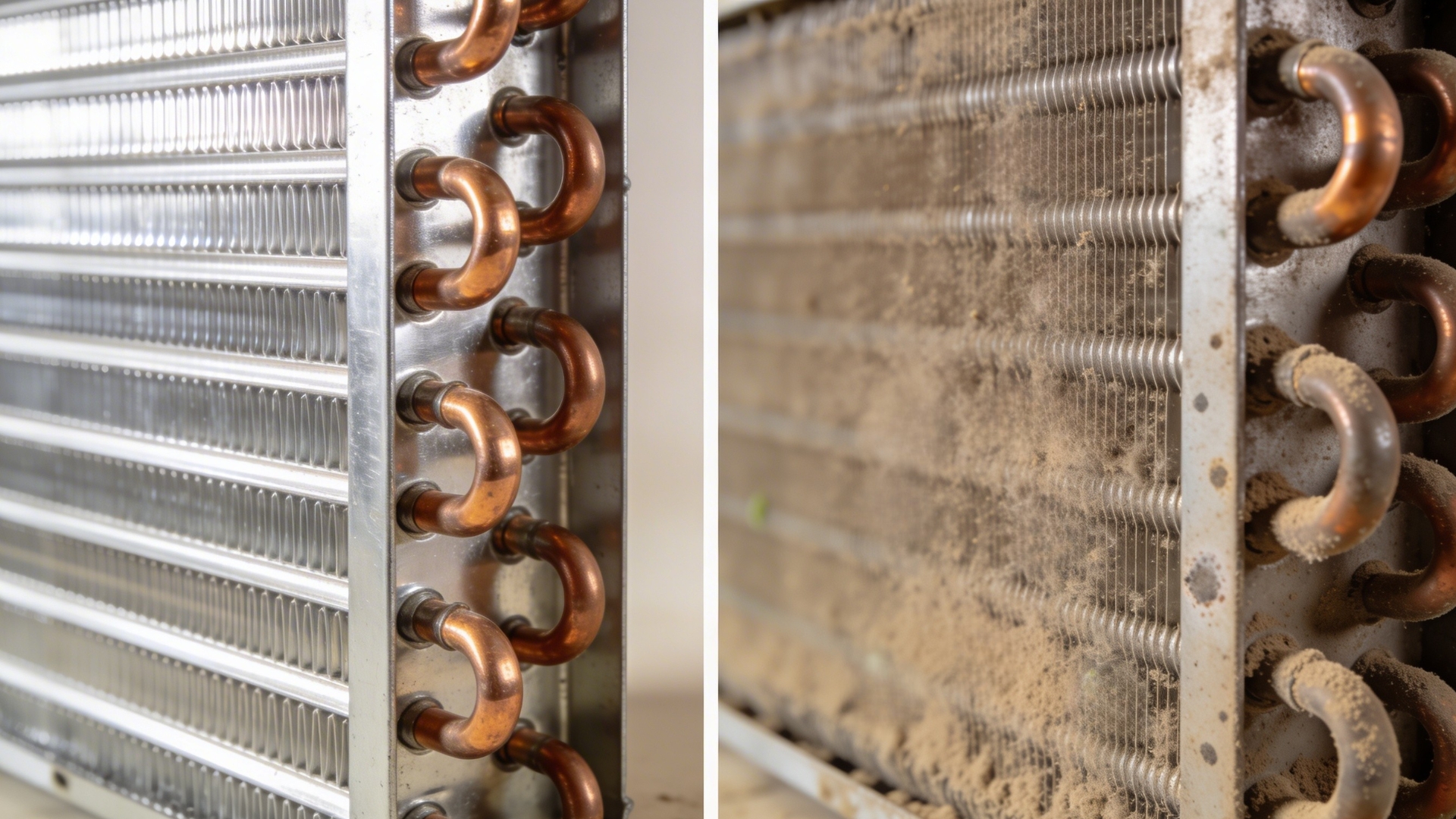
    A continuous cooling cycle often indicates that the air conditioner is struggling to reach the thermostat setting. The cause may involve poor airflow, refrigerant concerns, dirty condenser coils, thermostat calibration issues, or equipment that has become less efficient over time.

    Besides increasing energy usage, nonstop operation places extra wear on important components, reducing the overall lifespan of the system.

    An air conditioner should work steadily—not endlessly.

    Weak Airflow Shouldn’t Be Ignored

    Stand near one of your supply vents.

    Does the airflow feel strong and consistent, or is it noticeably weaker than you remember?

    Weak airflow usually points toward a problem somewhere within the system. Dirty air filters remain one of the most common causes, but damaged blower motors, blocked ducts, or partially closed vents can also reduce air circulation.

    Good airflow allows your entire HVAC system to perform efficiently. When airflow decreases, comfort often disappears long before the unit completely stops working.

    Fortunately, this is often one of the easier problems to diagnose and correct.

    Strange Sounds Usually Mean Something Has Changed

    Most air conditioners create a steady background hum that homeowners barely notice.

    New noises are different.

    Rattling may indicate loose hardware. Buzzing could point toward electrical concerns. Squealing sometimes suggests worn belts or motor bearings, while grinding noises should never be ignored.

    Mechanical components naturally wear over time, and unusual sounds often provide early warning before complete failure occurs.

    Catching these issues early typically results in simpler—and less expensive—repairs.

    Moisture Around the Indoor Unit Isn’t Normal

    A small amount of condensation is expected during normal operation, but standing water around the indoor air handler deserves attention.

    Blocked condensate drains, damaged drain pans, or excessive moisture inside the system can eventually lead to water damage or mold growth if left unresolved.

    If you notice persistent leaks, it’s worth scheduling service before the problem spreads beyond the HVAC equipment itself.

    Sometimes the water issue is minor. Sometimes it’s the first sign of something more significant.

    Warm Air From the Vents Is Never Good News

    Perhaps the most obvious warning sign is warm air coming from your vents when the thermostat is calling for cooling.

    Several issues can create this symptom, including thermostat malfunctions, compressor problems, refrigerant leaks, dirty coils, or airflow restrictions.

    Instead of repeatedly lowering the thermostat, it’s better to identify the actual cause. Turning the temperature down further won’t solve a mechanical problem—it simply forces the equipment to keep trying.

    Don’t Wait Until Minor Issues Become Major Repairs

    Homeowners often postpone service because the air conditioner still “sort of works.”

    That’s understandable. Life gets busy.

    Unfortunately, small HVAC concerns rarely fix themselves. More often, they continue developing until the system experiences complete failure at the worst possible time.

    Many cooling system problems begin with simple maintenance items that could have been addressed quickly if discovered earlier. Routine inspections help technicians clean critical components, verify refrigerant performance, tighten electrical connections, inspect moving parts, and identify worn equipment before it causes larger failures.

    Preventive maintenance almost always costs less than emergency repairs.

    A Little Maintenance Goes a Long Way

    Keeping your air conditioner healthy doesn’t require complicated routines.

    Replace air filters regularly. Keep supply and return vents open. Remove leaves and debris from around the outdoor unit. Listen for unusual sounds, monitor your energy bills, and pay attention to changes in cooling performance.

    These simple habits may seem small, but together they help reduce unnecessary strain on the entire HVAC system.

    Like changing the oil in a car, regular maintenance protects a much larger investment.

    Stay Ahead of Problems Before Summer Gets Serious

    Air conditioners usually provide plenty of warning before they stop working completely. The challenge is recognizing those signs while repairs are still relatively simple.

    Whether it’s uneven temperatures, weak airflow, rising utility costs, unusual noises, or longer operating cycles, paying attention to your system can save both money and frustration.

    A dependable air conditioner isn’t just about comfort—it’s about reliability, efficiency, and peace of mind when outdoor temperatures are at their highest. By acting early and scheduling routine maintenance, you’ll give your HVAC system its best chance to keep your home cool for many summers to come.

  • Why Better Water Throughout Your Home Makes Everyday Living Easier

    Why Better Water Throughout Your Home Makes Everyday Living Easier

    Most of us don’t spend much time thinking about water. We expect it to be there when we turn on the tap, fill a glass, start the dishwasher, or jump into the shower after a long day. It quietly supports nearly every part of our daily routine, which is probably why it’s so easy to overlook until something feels wrong.

    Maybe you’ve noticed chalky spots on glassware that never seem to disappear. Perhaps your shower leaves your skin feeling dry, or your washing machine doesn’t seem to clean clothes quite as well as it once did. None of these issues feel urgent on their own, but together they often point toward something bigger—the quality of the water moving through your home.

    The good news is that improving household water doesn’t always require major renovations. Sometimes it simply starts with understanding what’s flowing through your plumbing and making choices that fit your home’s unique needs.

    Water Is Part of Nearly Every Routine

    From the moment you wake up until you head to bed, water is constantly working behind the scenes.

    It brews your morning coffee, cooks dinner, washes dishes, fills the washing machine, keeps the garden alive, and powers every shower your family takes. Because it touches so many parts of everyday life, even modest improvements can have surprisingly broad effects.

    Homeowners often focus on visible upgrades like new flooring or modern kitchens, yet water has an impact on nearly every room in the house. Better water quality doesn’t just improve one faucet—it can influence how your entire home functions day after day.

    Looking Beyond the Kitchen Sink

    When people first think about water treatment, drinking water is usually the first thing that comes to mind. While clean drinking water certainly matters, the water running through your showers, toilets, dishwasher, washing machine, and water heater deserves just as much attention.

    That’s one reason many homeowners explore whole home water treatment instead of relying solely on a small filtration unit at the kitchen sink.

    Treating water where it enters the house means every fixture benefits from cleaner, better-conditioned water. Instead of solving one isolated problem, the entire plumbing system receives consistent treatment from the very beginning.

    For families planning to stay in their homes for years, this broader approach often provides the greatest long-term value.

    Every Water Supply Is Different

    No two homes receive exactly the same water.

    Municipal water systems vary from city to city, while private wells often contain naturally occurring minerals or sediments unique to the local geology. Even neighboring homes can experience different water characteristics depending on plumbing materials or aging infrastructure.

    Because of these differences, there’s rarely a one-size-fits-all answer.

    Professional water testing provides valuable information about hardness, mineral content, chlorine levels, pH balance, iron, sediment, and other important factors. Once those details are known, selecting the right treatment becomes far more straightforward.

    Guesswork rarely produces the best long-term results.

    Choosing Equipment That Fits Your Home

    It’s tempting to assume the largest or most expensive water treatment system must also be the best.

    In reality, that’s rarely true.

    A family with moderately hard municipal water has different needs than someone relying on a private well with iron and sulfur issues. Household size, water usage, plumbing layout, and maintenance preferences all influence the ideal solution.

    That’s why properly designed whole home systems focus on matching equipment to actual household conditions rather than offering identical recommendations for every customer.

    When treatment is properly sized, homeowners often enjoy better efficiency, lower operating costs, and more reliable long-term performance.

    Better Water Protects More Than Plumbing

    One of the biggest advantages of improving household water quality isn’t always immediately visible.

    Minerals and sediment slowly accumulate inside water heaters, dishwashers, coffee makers, washing machines, and plumbing pipes. Over time, those deposits reduce efficiency and increase wear on expensive equipment.

    By reducing scale and other unwanted elements, water treatment helps protect many of the appliances families rely on every day.

    While no system completely eliminates maintenance, improving water quality often extends equipment life while reducing unnecessary repairs and energy consumption.

    It’s one of those investments that quietly pays for itself over time.

    Daily Comfort Improves in Small Ways

    Homeowners frequently describe the benefits of better water using simple observations rather than dramatic claims.

    Soap lathers more easily. Laundry feels softer. Shower doors stay cleaner longer. Glassware comes out of the dishwasher with fewer spots, and cleaning bathroom fixtures takes less effort than before.

    These changes aren’t flashy, but they’re meaningful because they happen every single day.

    It’s remarkable how much easier ordinary household tasks become when water works with you instead of against you.

    Understanding residential water treatment

    The phrase residential water treatment covers far more than just softening hard water.

    Depending on local conditions, treatment may include sediment filtration, activated carbon filtration, iron removal, odor control, ultraviolet purification, reverse osmosis systems, or combinations of several technologies working together.

    The goal isn’t simply producing cleaner drinking water. It’s creating water that’s better suited for the home’s plumbing, appliances, fixtures, and daily household routines.

    When systems are selected based on accurate testing rather than assumptions, homeowners typically experience the greatest overall benefit.

    Thinking Long-Term Instead of Short-Term

    It’s easy to buy another bottle of cleaner for stubborn mineral stains or replace a coffee maker every few years because scale eventually damages it.

    Those short-term fixes solve symptoms, but they don’t address the underlying cause.

    Improving household water is different because it focuses on prevention rather than constant maintenance.

    Over the years, that proactive approach often saves money while making everyday living noticeably more comfortable.

    It’s one of those upgrades that continues delivering value long after installation day.

    Better Water Supports a Better Home

    A comfortable home isn’t built from one spectacular improvement. More often, it’s created through dozens of thoughtful decisions that make daily life easier.

    Cleaner fixtures, efficient appliances, softer laundry, more enjoyable showers, and reliable plumbing all contribute to that experience.

    When homeowners invest in understanding and improving their water, they’re not just upgrading a utility—they’re improving the way their entire home functions.

    Better water quietly supports every room, every appliance, and every routine. And once you experience that difference, it’s surprisingly difficult to imagine going back to the way things were before.

  • Why Looking After Your Water Treatment System Pays Off Year After Year

    Why Looking After Your Water Treatment System Pays Off Year After Year

    Most homeowners don’t think much about their water treatment system after it’s installed. And honestly, that’s understandable. When everything works as expected, water simply becomes part of the background. You pour a glass without hesitation, enjoy a hot shower, wash dishes, and move on with your day.

    Ironically, that’s exactly how a good water system should behave. It quietly does its job without demanding attention.

    Still, every hardworking system benefits from a little care. Whether it’s your heating unit, your car, or the equipment responsible for improving your home’s water, regular attention helps preserve performance while preventing unnecessary surprises. The effort is small compared to the comfort and confidence it provides over the years. 

    Water Is Constantly Working Behind the Scenes

    Take a moment to think about how many times water is used during an ordinary day.

    Morning coffee. Brushing your teeth. Laundry. professional maintenance Cooking dinner. Running the dishwasher. Watering the garden. Taking an evening shower.

    Each of those everyday moments depends on your treatment system quietly processing thousands of gallons of water over months and years. That constant workload naturally creates wear on filters, valves, seals, and treatment media.

    It’s completely normal—but it also explains why routine care matters.

    Maintenance Is an Investment, Not an Expense

    Many homeowners wait until something seems wrong before calling for service.

    Unfortunately, by the time noticeable symptoms appear, small issues may already have become larger ones. Declining water quality, mineral buildup, or reduced efficiency often develops gradually rather than overnight.

    Scheduling professional maintenance allows trained technicians to inspect the system before performance noticeably changes. Minor adjustments made early frequently prevent larger repairs and help extend equipment lifespan.

    Preventive care almost always proves less expensive than emergency service.

    Technology Still Benefits from Human Attention

    Modern water treatment systems expert support  are impressively reliable.

    Many include advanced controls, automated regeneration cycles, and sophisticated filtration components that require very little day-to-day involvement from homeowners.

    Even so, technology isn’t entirely self-sufficient.

    Like any mechanical equipment, water treatment systems perform best when they’re occasionally evaluated by experienced professionals who understand how changing water conditions and normal wear influence long-term operation.

    A little attention goes a remarkably long way.

    Experience Brings Confidence

    Homeowners can certainly monitor their equipment, replace simple filters when appropriate, and pay attention to obvious changes in water quality.

    Some aspects of maintenance, however, benefit from expert support.

    Experienced technicians know how to evaluate system settings, inspect internal components, identify early warning signs, and recommend adjustments based on household water usage. They often recognize subtle issues that homeowners would never notice during everyday use.

    That experience helps protect both the equipment and the investment you’ve already made.

    Water Conditions Naturally Change

    One thing that’s easy to overlook is that the water entering your home isn’t necessarily identical year after year.

    Seasonal rainfall, drought conditions, municipal treatment changes, aging plumbing, groundwater movement, or even household occupancy can influence water characteristics over time.

    A treatment system installed years ago may eventually benefit from small adjustments that help it continue operating at its best.

    Periodic evaluations help ensure your equipment continues matching your home’s current needs rather than yesterday’s conditions.

    Better Performance Means Better Everyday Living

    The purpose of maintenance isn’t simply keeping equipment operational.

    It’s about preserving the everyday benefits homeowners enjoy.

    Strong water system performance helps maintain cleaner dishes, softer laundry, better-tasting water, fewer mineral deposits, more comfortable showers, and efficient appliance operation throughout the house.

    When everything functions properly, water system performance becomes so familiar that it’s easy to forget they’re even happening.

    That’s often the true measure of a well-maintained system.

    Small Service Visits Prevent Bigger Interruptions

    Emergency repairs rarely arrive at convenient times.

    Unexpected equipment failures often interrupt routines, create unnecessary stress, and may require more extensive repairs than issues discovered during routine inspections.

    Preventive service visits provide opportunities to replace worn components before they affect the overall system, reducing the likelihood of inconvenient breakdowns.

    Planning ahead almost always provides greater flexibility than reacting afterward.

    Maintenance Protects More Than Water Quality

    A properly maintained treatment system also helps protect the many appliances connected to your plumbing.

    Water heaters, washing machines, dishwashers, coffee makers, refrigerators, and plumbing fixtures all benefit from consistent water quality. Reducing mineral buildup helps these appliances perform efficiently while minimizing unnecessary wear over time.

    Looking after one system quietly supports many others throughout the home.

    That’s value that continues long after each maintenance appointment.

    The Best Systems Are the Ones You Hardly Notice

    There’s something satisfying about a home where everything simply works.

    You don’t think about the plumbing every time you wash your hands. You don’t worry about the electrical system every time you flip a switch. The same should be true of your water treatment equipment.

    Routine care allows the system to keep doing its job quietly and consistently, without demanding constant attention or unexpected repairs.

    At the end of the day, maintaining a water treatment system isn’t really about the equipment itself. It’s about protecting the comfort, convenience, and peace of mind that dependable water brings into your home every single day.

    Sometimes the smartest home maintenance isn’t visible at all. It’s the quiet work happening behind the scenes, ensuring every shower, every cup of coffee, every clean dish, and every glass of water continues meeting the standards your family depends on year after year.