

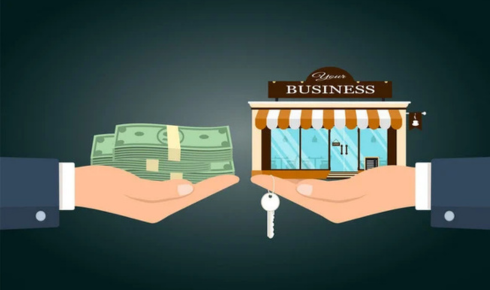
So you’ve built something meaningful. Maybe it started in your garage. Maybe it was just a side hustle that grew legs. But now? You’re ready to move on — and hopefully walk away with a check that feels like a reward, not a regret.
Here’s the thing though: selling a business isn’t like flipping a used car. It’s personal. Emotional. And for many small business owners, it’s also confusing and expensive.
But it doesn’t have to be.
If you’ve ever Googled, “how much could I sell my business for” or wondered if there’s a way to avoid hefty broker fees — this one’s for you.
Let’s talk real-world strategies to maximize your sale value, and yes, even how to sell business for free if you’re willing to hustle.
Start by Knowing What You’re Really Selling
People don’t just buy revenue. They buy systems. Trust. Predictability.
If your business relies entirely on you showing up every day, answering every email, and fixing every issue — that’s not very attractive to a buyer. But if you can show that it runs smoothly without you constantly steering the wheel? Now we’re talking.
Take stock of your processes. Are things documented? Can a new owner step in and understand how it all works? Start systemizing now, and your business becomes more valuable the moment you do.
The Power of Clean Numbers
I get it — bookkeeping isn’t why you started this thing. But here’s the reality: sloppiness in your financials kills deals.
Buyers want to see clear revenue, expense breakdowns, cash flow, and ideally, several years of solid data. That means no mystery transfers, no personal expenses mixed in with business ones, and nothing that raises red flags.
This one simple step — getting your books in order — can add thousands (if not tens of thousands) to your final price. It’s not just about “looking good.” It’s about trust.
The Million-Dollar Question: What’s It Worth?
Ah, valuation. The trickiest part.
You’ve probably wondered: how much could I sell my business for realistically?
The answer depends on a few factors — industry norms, recurring revenue, profit margins, and the “owner’s role” in day-to-day operations.
Many businesses sell based on a multiple of net profit or EBITDA (earnings before interest, taxes, depreciation, and amortization). That multiplier might be 2x, 3x, or even higher depending on how automated and attractive your business is.
But here’s the key — your job is to make it as attractive as possible before asking for a high multiple. Clean systems. Documented processes. Recurring income. Strong team. Good online presence. These things matter.
Skip the Middleman: Selling Solo
You can absolutely sell your business without a broker — especially if it’s under $500k in value. That’s not to say brokers are useless. Some are fantastic. But many charge 10–15% of your sale price, and for small businesses, that’s a big chunk.
Instead, you can sell business for free (or nearly free) using:
- BizBuySell.com
- MicroAcquire
- Facebook groups for entrepreneurs
- Reddit communities like r/Entrepreneur or r/smallbusiness
- Your LinkedIn network
Create a clear, honest listing with key stats, why you’re selling, and what makes the business special. Have your financials ready. Be willing to hop on calls with serious buyers.
It takes effort — but it can save you thousands.
How to Price with Confidence
Let’s say you’ve put your listing together. Now comes the awkward part: pricing it.
You might be thinking: how much can I sell my company for, without overshooting and scaring buyers, or underselling and kicking yourself later?
Do research. Study similar listings in your niche. Talk to peers. Use valuation tools like ExitGuide, Flippa’s free estimator, or even speak to a business accountant.
But also trust your gut. If you’ve built something solid — and have the numbers to back it up — don’t be afraid to hold firm on your price (within reason). Confidence goes a long way in negotiations.
Make the Handoff Smooth and Stress-Free
One often-overlooked aspect of selling is the transition. Buyers feel more confident when they know you’ll stick around for a few weeks or months to show them the ropes.
Even a 30-day support window can increase buyer interest — and final sale price.
You don’t need to be available forever. Just enough to ensure continuity. Leave behind SOPs (standard operating procedures), vendor lists, passwords, customer service scripts — everything that makes the wheels turn.
Trust me, a smooth handoff is gold to nervous buyers.
Real Stories, Real Takeaways
I’ve seen solopreneurs sell Shopify stores for $70k simply because they had clean books and automated fulfillment. I’ve watched local gym owners get out with six figures because they had loyal members on auto-pay and good staff in place.
None of them were “business geniuses.” They just put a little time into making their operations buyer-friendly.
And they didn’t all pay brokers either. Some closed deals through email, Zoom, and good old-fashioned trust — proving that you don’t need to be a millionaire to exit like one.
Final Thoughts: Exit Like a Pro, Even If You’re a First-Timer
Selling your business doesn’t have to be a black box. It doesn’t have to be expensive. And it definitely doesn’t have to be soul-sucking.
If you start prepping early, clean up your operations, and market yourself smartly, you can walk away proud — with more money in your pocket and your head held high.

