

Most of us don’t spend much time thinking about water. We expect it to be there when we turn on the tap, fill a glass, start the dishwasher, or jump into the shower after a long day. It quietly supports nearly every part of our daily routine, which is probably why it’s so easy to overlook until something feels wrong.
Maybe you’ve noticed chalky spots on glassware that never seem to disappear. Perhaps your shower leaves your skin feeling dry, or your washing machine doesn’t seem to clean clothes quite as well as it once did. None of these issues feel urgent on their own, but together they often point toward something bigger—the quality of the water moving through your home.
The good news is that improving household water doesn’t always require major renovations. Sometimes it simply starts with understanding what’s flowing through your plumbing and making choices that fit your home’s unique needs.
Water Is Part of Nearly Every Routine
From the moment you wake up until you head to bed, water is constantly working behind the scenes.
It brews your morning coffee, cooks dinner, washes dishes, fills the washing machine, keeps the garden alive, and powers every shower your family takes. Because it touches so many parts of everyday life, even modest improvements can have surprisingly broad effects.
Homeowners often focus on visible upgrades like new flooring or modern kitchens, yet water has an impact on nearly every room in the house. Better water quality doesn’t just improve one faucet—it can influence how your entire home functions day after day.
Looking Beyond the Kitchen Sink
When people first think about water treatment, drinking water is usually the first thing that comes to mind. While clean drinking water certainly matters, the water running through your showers, toilets, dishwasher, washing machine, and water heater deserves just as much attention.
That’s one reason many homeowners explore whole home water treatment instead of relying solely on a small filtration unit at the kitchen sink.
Treating water where it enters the house means every fixture benefits from cleaner, better-conditioned water. Instead of solving one isolated problem, the entire plumbing system receives consistent treatment from the very beginning.
For families planning to stay in their homes for years, this broader approach often provides the greatest long-term value.
Every Water Supply Is Different
No two homes receive exactly the same water.
Municipal water systems vary from city to city, while private wells often contain naturally occurring minerals or sediments unique to the local geology. Even neighboring homes can experience different water characteristics depending on plumbing materials or aging infrastructure.
Because of these differences, there’s rarely a one-size-fits-all answer.
Professional water testing provides valuable information about hardness, mineral content, chlorine levels, pH balance, iron, sediment, and other important factors. Once those details are known, selecting the right treatment becomes far more straightforward.
Guesswork rarely produces the best long-term results.
Choosing Equipment That Fits Your Home
It’s tempting to assume the largest or most expensive water treatment system must also be the best.
In reality, that’s rarely true.
A family with moderately hard municipal water has different needs than someone relying on a private well with iron and sulfur issues. Household size, water usage, plumbing layout, and maintenance preferences all influence the ideal solution.
That’s why properly designed whole home systems focus on matching equipment to actual household conditions rather than offering identical recommendations for every customer.
When treatment is properly sized, homeowners often enjoy better efficiency, lower operating costs, and more reliable long-term performance.
Better Water Protects More Than Plumbing
One of the biggest advantages of improving household water quality isn’t always immediately visible.
Minerals and sediment slowly accumulate inside water heaters, dishwashers, coffee makers, washing machines, and plumbing pipes. Over time, those deposits reduce efficiency and increase wear on expensive equipment.
By reducing scale and other unwanted elements, water treatment helps protect many of the appliances families rely on every day.
While no system completely eliminates maintenance, improving water quality often extends equipment life while reducing unnecessary repairs and energy consumption.
It’s one of those investments that quietly pays for itself over time.
Daily Comfort Improves in Small Ways
Homeowners frequently describe the benefits of better water using simple observations rather than dramatic claims.
Soap lathers more easily. Laundry feels softer. Shower doors stay cleaner longer. Glassware comes out of the dishwasher with fewer spots, and cleaning bathroom fixtures takes less effort than before.
These changes aren’t flashy, but they’re meaningful because they happen every single day.
It’s remarkable how much easier ordinary household tasks become when water works with you instead of against you.
Understanding residential water treatment
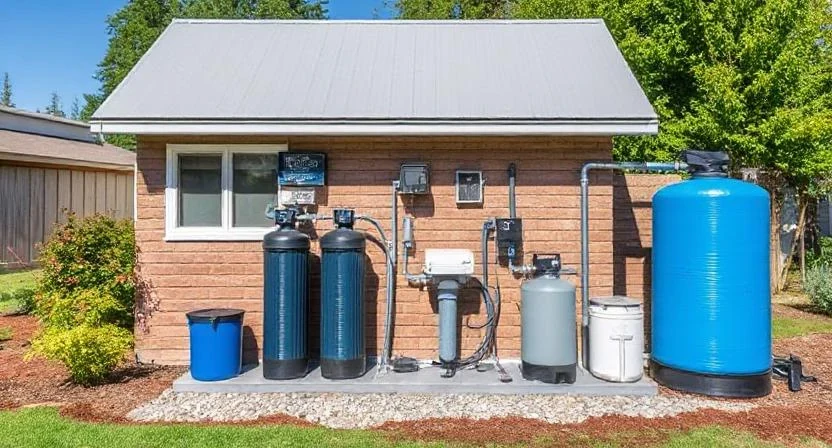
The phrase residential water treatment covers far more than just softening hard water.
Depending on local conditions, treatment may include sediment filtration, activated carbon filtration, iron removal, odor control, ultraviolet purification, reverse osmosis systems, or combinations of several technologies working together.
The goal isn’t simply producing cleaner drinking water. It’s creating water that’s better suited for the home’s plumbing, appliances, fixtures, and daily household routines.
When systems are selected based on accurate testing rather than assumptions, homeowners typically experience the greatest overall benefit.
Thinking Long-Term Instead of Short-Term
It’s easy to buy another bottle of cleaner for stubborn mineral stains or replace a coffee maker every few years because scale eventually damages it.
Those short-term fixes solve symptoms, but they don’t address the underlying cause.
Improving household water is different because it focuses on prevention rather than constant maintenance.
Over the years, that proactive approach often saves money while making everyday living noticeably more comfortable.
It’s one of those upgrades that continues delivering value long after installation day.
Better Water Supports a Better Home
A comfortable home isn’t built from one spectacular improvement. More often, it’s created through dozens of thoughtful decisions that make daily life easier.
Cleaner fixtures, efficient appliances, softer laundry, more enjoyable showers, and reliable plumbing all contribute to that experience.
When homeowners invest in understanding and improving their water, they’re not just upgrading a utility—they’re improving the way their entire home functions.
Better water quietly supports every room, every appliance, and every routine. And once you experience that difference, it’s surprisingly difficult to imagine going back to the way things were before.

