In a healthcare facility, clean water is more than a basic convenience. It plays an important role in sanitation, patient hygiene, cleaning equipment, preparing food, and supporting a wide range of daily operations. From a small medical clinic to a large hospital, water systems need to work consistently. When something goes wrong, the effects can reach far beyond a dripping tap or a drop in water pressure.
Healthcare buildings also have requirements that differ from those of ordinary homes or offices. Different departments may use water for different purposes, and some applications require carefully controlled water quality. That’s why planning, appropriate equipment, and regular professional attention matter. A dependable water management strategy helps facilities operate smoothly while supporting patient safety and staff efficiency.
Why Water Quality Matters in Healthcare Settings
Hospitals use water throughout the day, often in ways visitors never notice. It flows through patient bathrooms, kitchens, laundry rooms, laboratories, cleaning areas, and specialized clinical equipment. Each application has its own requirements, so a single approach to water treatment may not be suitable for every department.
For example, water used for drinking and general sanitation has different considerations from water used in certain laboratory procedures or medical equipment. Some equipment requires treated or purified water to function correctly. The necessary quality depends on the equipment manufacturer’s specifications, the intended application, and relevant healthcare regulations.
Water quality can also change as it travels through a building. Storage tanks, pipes, fixtures, and water heaters may influence temperature, mineral buildup, and other conditions. Poorly maintained plumbing can create opportunities for contamination or microbial growth, making monitoring and maintenance especially important.
A practical water management plan begins by identifying how water is used throughout the facility. Staff should understand which areas need ordinary potable water, which require additional treatment, and which systems need specialized monitoring. This makes it easier to prioritize spending and avoid applying the wrong solution to the wrong problem.
Planning Water Systems Around Hospital Needs
Healthcare buildings are complex environments. A hospital may operate continuously, accommodate hundreds of people, and depend on water-intensive services that cannot simply stop during routine maintenance. Planning therefore needs to account for demand, reliability, hygiene, and access for future servicing.
Well-designed hospital solutions begin with a clear assessment of the facility’s requirements. This includes estimating water consumption, reviewing existing plumbing, identifying critical departments, and understanding applicable safety standards. A small outpatient clinic may need a relatively straightforward arrangement, while a larger hospital could require multiple treatment stages and separate systems for specialized uses.
Water pressure and flow rates deserve attention, too. If several departments use water simultaneously, undersized pipes or poorly selected equipment may struggle to meet demand. On the other hand, installing equipment that is unnecessarily large can increase costs and complicate maintenance without delivering meaningful benefits.
Facility managers should also consider what happens when equipment fails. Depending on the application, backup capacity, isolation valves, alarms, or alternative supply arrangements may help reduce disruption. Critical services need particular care, and contingency planning should follow the facility’s operational risk assessment.
Early coordination between engineers, healthcare administrators, infection prevention teams, and maintenance staff can prevent expensive changes later. The people who operate a building every day often know where the practical challenges lie, so their input is valuable before a project begins.
Choosing Appropriate Water Treatment Equipment
Different water problems require different treatment methods. Hardness, sediment, unpleasant tastes, dissolved substances, and microbial concerns cannot all be addressed by the same filter. Choosing equipment should therefore follow an assessment of the incoming water and the intended use.
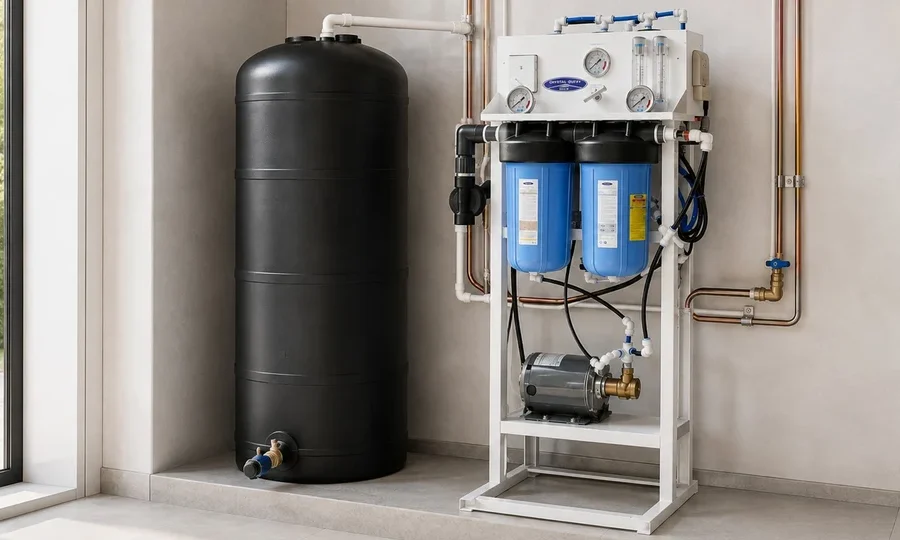
Water softeners may help control calcium and magnesium buildup, particularly where hard water affects plumbing and equipment. Sediment filters can remove particles, while activated carbon systems may improve taste and odor and reduce certain substances when the product is designed for that purpose. Reverse osmosis and other purification technologies may be appropriate for specific applications that require reduced dissolved content.
However, treatment equipment should never be selected based on marketing claims alone. Healthcare facilities should verify performance specifications, applicable certifications, and compatibility with the water quality requirements of each department. Systems used for specialized clinical purposes may need to meet particular technical and regulatory standards.
Monitoring matters just as much as equipment selection. A treatment system may perform well initially but gradually lose effectiveness as filters become exhausted, membranes deteriorate, or components wear out. Routine checks and appropriate testing help staff identify problems before they affect operations.
Why Professional Installation Makes a Difference
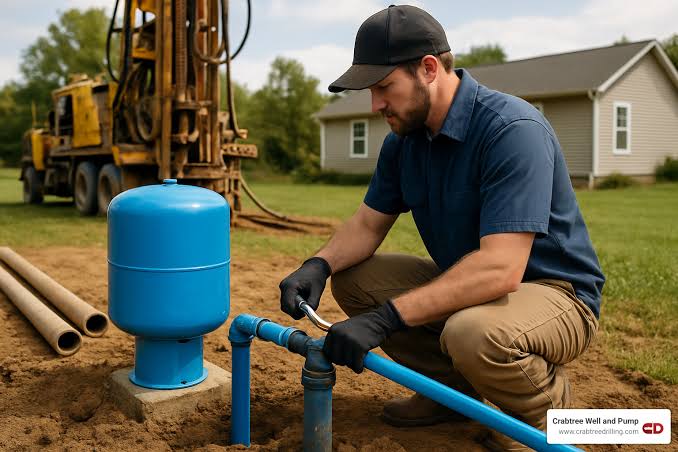
Even high-quality equipment can underperform when installation is rushed or poorly planned. Incorrect connections, inadequate drainage, unsuitable pipe sizing, and insufficient service clearance can create problems that become costly to correct later.
Professional system installation should begin with a review of the building layout, water demand, manufacturer instructions, and relevant plumbing requirements. Installers need to understand where equipment belongs, how it connects to the existing infrastructure, and how staff will access it for inspections and repairs.
In healthcare facilities, installation may also need to be coordinated around patient care and departmental schedules. Shutting down a water line without a clear plan could interrupt essential activities. Depending on the project, phased installation or temporary supply arrangements may help minimize disruption.
Once equipment is installed, commissioning should confirm that it operates as intended. This may include checking flow rates, pressure, leaks, control settings, alarms, and water quality where applicable. Staff should receive clear operating instructions, including guidance on warning indicators and emergency procedures.
Documentation is easy to overlook during a busy project, but it matters later. Keep equipment manuals, installation records, warranties, test results, and service recommendations in an accessible location. When a problem occurs months or years afterward, accurate records can save valuable time.
Preventive Maintenance Keeps Systems Dependable
Waiting for equipment to fail is rarely a good strategy, especially in a healthcare environment. A minor leak can damage building materials, while a clogged filter or malfunctioning treatment unit may affect performance and interrupt routine work.
A planned repairs & maintenance program helps facilities manage these risks. Typical tasks may include inspecting valves and connections, replacing filters at the recommended intervals, checking pressure and flow, cleaning components, and servicing pumps or control systems. The exact schedule should reflect manufacturer guidance, water conditions, system design, and the importance of the application.
Maintenance teams should keep a record of completed work, identified defects, replacement parts, and follow-up actions. This history can reveal recurring issues and help managers make better decisions about repair costs versus equipment replacement.
Staff also need a straightforward way to report concerns. A sudden drop in water pressure, unusual odor, visible leakage, or an equipment alarm should be documented and assessed promptly. These signs do not always indicate a major fault, but ignoring them can allow a small issue to become a larger one.
Repairs involving critical water systems should be coordinated with the appropriate clinical, engineering, and infection prevention teams. Where water quality may affect patient safety, the facility should follow its established risk management and public health procedures before returning the system to normal use.
Supporting Hygiene and Infection Prevention
Water management is closely connected to infection prevention, but it should be approached carefully and systematically. Certain microorganisms can survive or grow in building water systems under suitable conditions. Risk may be influenced by water temperature, stagnation, biofilm, plumbing design, and other environmental factors.
Healthcare facilities should follow applicable guidance for managing water-related microbial risks. Depending on the building and its risk assessment, this may involve monitoring water temperatures, maintaining appropriate circulation, reducing stagnant sections, conducting targeted testing, and responding to identified hazards.
Water testing should be designed around specific questions. Routine checks for one parameter cannot establish that every possible contaminant is absent. Similarly, a treatment system should not be assumed to control microorganisms unless its performance is appropriate for that purpose and verified as required.
Clear responsibilities help make these measures effective. Engineering teams, environmental services, clinical leaders, and infection prevention professionals may all have roles in maintaining safe water conditions. Regular communication ensures that concerns are investigated and corrective actions are completed.
Building a Long-Term Water Management Strategy
Effective water management isn’t simply about buying equipment and hoping it continues to work. It involves understanding the building, selecting suitable technologies, installing them correctly, and keeping them in good condition throughout their service life.
Healthcare administrators can start by reviewing current systems, identifying critical uses, and establishing a maintenance schedule. From there, they can prioritize improvements according to risk, operational needs, and available budgets. Working with qualified professionals can help clarify technical requirements and reduce avoidable downtime.
The best systems are often the ones that operate quietly in the background because someone has planned for their care. With sensible design, appropriate testing, trained staff, and consistent maintenance, healthcare facilities can manage water more reliably and respond to problems with greater confidence.
Ultimately, dependable water management supports the many ordinary tasks that allow healthcare professionals to focus on their patients. It’s not always the most visible part of hospital operations, but it is one of the foundations on which a well-functioning facility depends.