Water is one of those things we rarely think about until something goes wrong. Perhaps the tap water develops an unusual smell, white deposits begin appearing around the faucets, or a glass of water suddenly looks less inviting than it should. These small signs can raise big questions about water quality, and finding the right solution often starts with understanding where your water comes from.
Whether your home receives water from a municipal supply or relies on a private well, proper installation and testing can make a real difference. The goal isn’t simply to install equipment and hope for the best. It’s to create a dependable water system that suits your household, works efficiently, and delivers consistent results over time.
Start by Understanding Your Water Supply
Before choosing a filtration system or water treatment equipment, take a closer look at your water source. Homes connected to a municipal supply generally receive treated water, but that doesn’t mean the water will always have the same taste, hardness, or mineral content at every property. Aging plumbing, local water conditions, and the condition of household pipes can all influence what comes out of the tap.
Private wells present a different set of considerations. Because well water doesn’t come from a centralized municipal treatment facility, homeowners are responsible for understanding its quality and maintaining the equipment that supplies it. The water may contain naturally occurring minerals, sediment, or other contaminants that require specific treatment.
A professional assessment can help identify these differences before installation begins. Instead of spending money on equipment you might not need, you can choose a system based on actual water conditions and the needs of your household.
Why Professional City Water Installation Matters
Municipal water systems are designed to provide treated water, but individual homes may still benefit from additional filtration or conditioning. Hard water, chlorine taste, sediment entering through plumbing, and other concerns can affect everyday comfort.
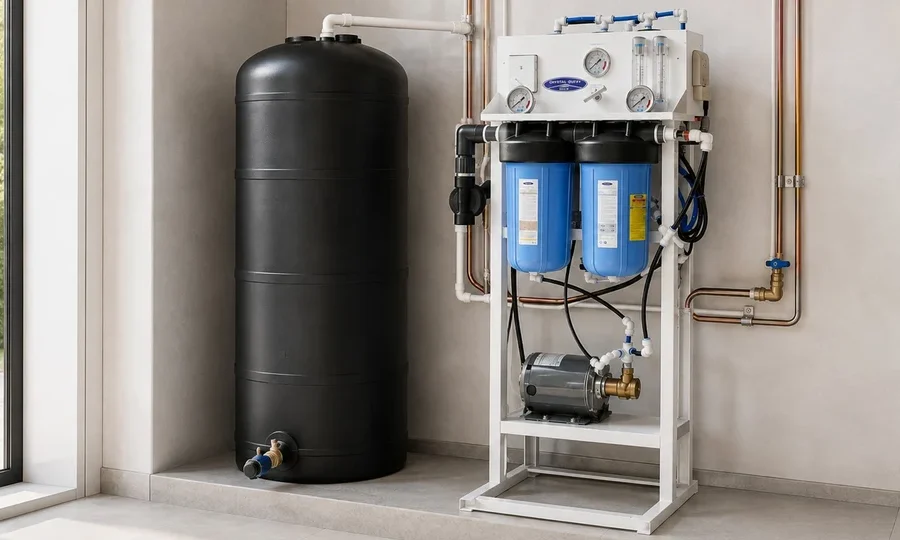
A properly planned city water installation takes the home’s existing plumbing, water pressure, fixture requirements, and intended treatment equipment into account. Depending on the situation, the setup might include a whole-house sediment filter, a carbon filtration unit, a water softener, or a drinking-water filter installed beneath the kitchen sink.
The right choice depends on the problem you’re trying to solve. For example, a carbon filter may improve taste and reduce certain odors, while a softener addresses hardness caused primarily by calcium and magnesium. These systems serve different purposes, so installing one doesn’t automatically solve every water-quality concern.
Professional installation also helps prevent common plumbing problems, including leaking connections, incorrect bypass arrangements, and restricted water flow. It’s worth paying attention to these details. A treatment system should make household life easier, not become another source of maintenance headaches.
Well Water Requires a More Personal Approach
If your home depends on a private well, the first step should usually be testing the water rather than buying equipment based on appearance or taste alone. Clear water isn’t necessarily safe, and unpleasant-looking water doesn’t always reveal the precise issue.
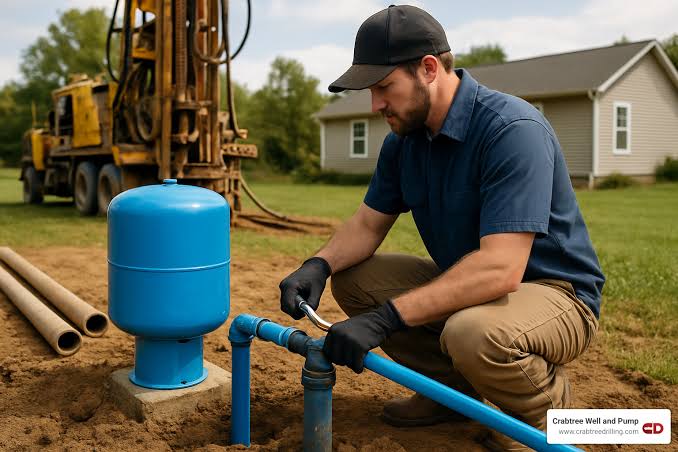
A professional well water installation should be planned around the well’s water quality, pump capacity, pressure tank, plumbing layout, and daily household demand. These factors influence both the type of treatment required and how effectively the system will operate.
For instance, sediment may call for appropriate prefiltration, while excessive iron or manganese might require specialized treatment. Water containing certain microorganisms may need disinfection, and elevated nitrate levels require a different approach. No single filter can reliably address every possible well-water problem.
Testing is particularly important because groundwater conditions can change. Heavy rainfall, flooding, nearby land use, damaged well components, or changes in the surrounding environment may affect water quality. Homeowners should follow local public health guidance for routine testing and arrange additional tests when circumstances warrant them.
It’s also wise to inspect the well cap, casing, drainage around the well, and nearby potential contamination sources. Treatment equipment can help manage identified problems, but protecting the water source itself remains essential.
Choosing Equipment That Fits Your Household
Once you understand the water conditions, choosing equipment becomes much more straightforward. Think about how much water your household uses, which fixtures need treatment, and what you want the system to accomplish.
A whole-house system treats water entering the property, making it useful when the concern affects showers, laundry, appliances, and multiple faucets. Point-of-use systems, meanwhile, treat water at a specific location. An under-sink drinking-water filter may be a practical option if your main priority is improving the water used for cooking and drinking.
Reverse osmosis systems can reduce many dissolved substances, depending on the system’s design and certification. Ultraviolet disinfection can help inactivate certain microorganisms when the equipment is correctly selected and operated, but it doesn’t remove dissolved chemicals or sediment. Pretreatment may be necessary to ensure effective operation.
Pay attention to maintenance requirements before making a purchase. Filters need replacement, some systems require periodic cleaning or servicing, and certain treatment methods involve wastewater or additional operating costs. The cheapest system upfront isn’t always the most economical over several years.
Ask installers about equipment certifications, replacement-part availability, warranties, expected operating costs, and the specific contaminants the system is designed to reduce. Clear answers are a good sign that the recommendation is based on your needs rather than a sales pitch.
Performance Testing: The Step Homeowners Shouldn’t Skip
Even well-designed equipment needs to be checked after installation. A system can look impressive, have tidy pipework, and still fail to deliver the intended results if a component is incorrectly configured or the treatment method doesn’t match the water conditions.
That’s where performance testing becomes important. Depending on the equipment and the original concern, testing may involve checking water pressure, flow rate, leaks, operating settings, or treated-water quality. For drinking-water systems, laboratory analysis may be appropriate to confirm that specific contaminants have been reduced to the intended levels.
Testing should reflect the purpose of the system. A water softener, for example, can be assessed for hardness reduction, while a disinfection system may require checks of operating conditions and, where appropriate, microbiological testing. A simple taste test isn’t enough to establish that potentially harmful contaminants have been removed.
Homeowners should request a clear explanation of the results, including any remaining concerns and recommended follow-up checks. Keep copies of laboratory reports, equipment manuals, installation details, and maintenance records. These documents make future servicing easier and help you spot changes over time.
Maintenance Makes the Difference Over Time
Water treatment isn’t a one-time project. Filters gradually collect particles, components wear out, and treatment performance can change as water conditions shift. Following the manufacturer’s maintenance schedule helps keep equipment working as intended.
Replace cartridges at the recommended intervals, inspect visible connections for leaks, and arrange professional servicing when necessary. For private wells, continue routine water testing even if a treatment system is installed. Testing the source and checking the treated water can answer different questions, and both may be important.
If you notice a sudden change in taste, odor, color, or pressure, investigate rather than assuming the system is functioning normally. Some changes are harmless, but others may signal a plumbing issue or a need for further testing.
A Better Water System Starts With Good Information
Reliable household water begins with understanding the source, identifying genuine concerns, and choosing equipment that addresses them. Professional installation can help ensure that the system fits the property, while appropriate testing provides evidence that it is doing its job.
There’s no need to make water treatment more complicated than it has to be. Start with a clear assessment, ask practical questions, and invest in equipment that matches your home’s needs. With thoughtful planning and regular maintenance, you can enjoy greater confidence in your water and fewer surprises down the road.