Walk into a busy restaurant, a hotel laundry room, or a manufacturing facility, and you’ll quickly notice how much work happens behind the scenes. What you probably won’t notice is the water supporting nearly everything.
It’s there in the coffee machines, heating equipment, cleaning stations, and production lines. When its quality changes, however, the effects can become difficult to ignore.
Mineral deposits begin accumulating, equipment requires more frequent servicing, and operating expenses gradually creep upward. Before long, what seemed like a minor water quality concern becomes a recurring business problem.
Fortunately, suitable water treatment can help address many of these challenges. The key is understanding which technologies make sense for your operations instead of investing in equipment that looks impressive but delivers little practical value.
Why Hard Water Can Become an Expensive Business Problem
Hard water contains dissolved calcium and magnesium. Although these minerals aren’t generally harmful at typical drinking water concentrations, they can create considerable maintenance challenges in commercial environments.
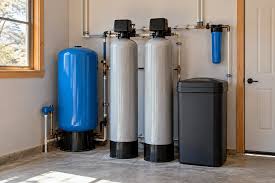
Installing appropriately sized commercial water softeners can help businesses reduce excessive hardness and manage problems associated with mineral accumulation.
Think about a restaurant that uses its dishwasher throughout the day. Over time, mineral deposits may accumulate inside heating components and around spray mechanisms. Employees might also spend additional time removing stubborn residue from glassware.
Conventional water softening uses ion exchange to reduce hardness minerals, potentially improving detergent effectiveness and limiting future scale formation.
Commercial laundries, hotels, restaurants, and certain manufacturing facilities may benefit from this approach.
However, equipment capacity deserves careful attention. A softener that performs adequately during quieter hours might struggle when consumption increases.
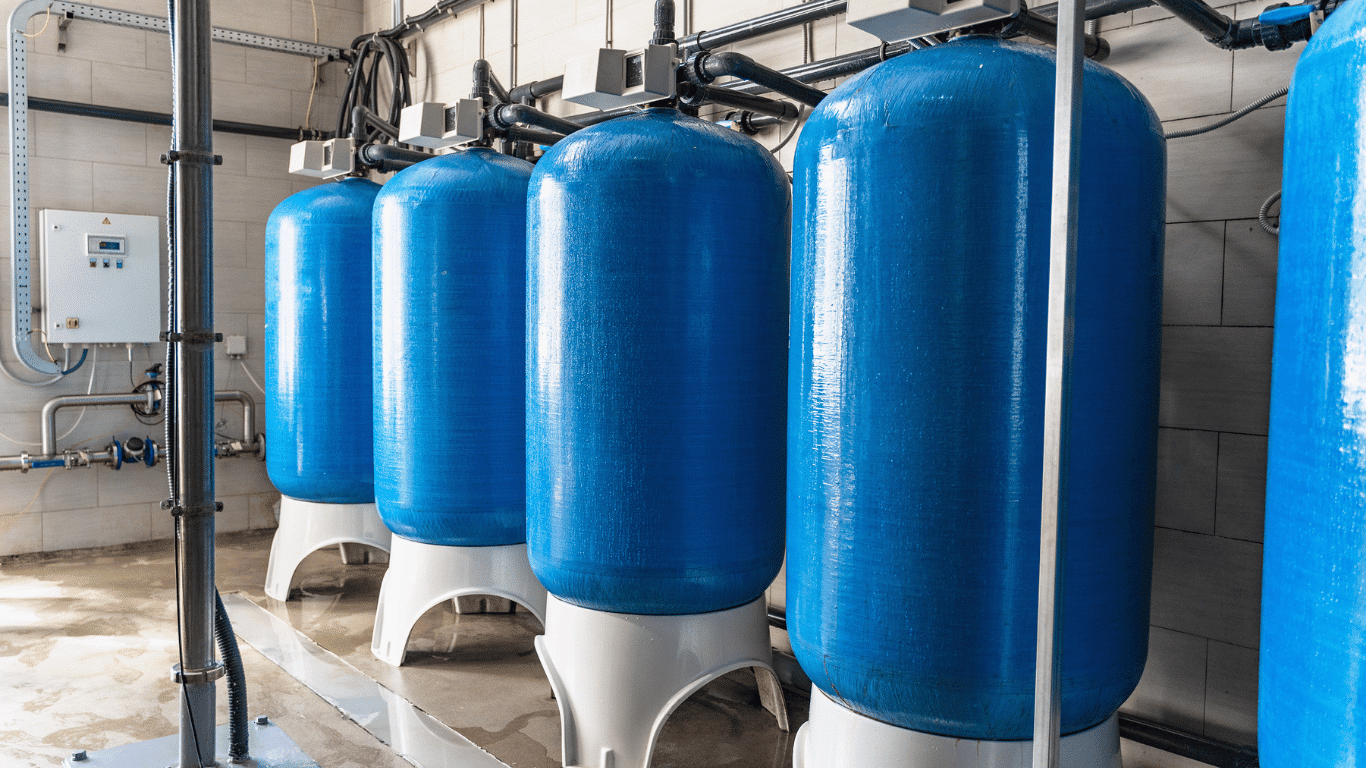
Businesses with continuous water requirements may benefit from alternating-tank arrangements that provide treated water while another tank regenerates.
It’s a practical consideration that can make a difference during particularly demanding operating periods.
Finding a Treatment System That Matches Your Business Needs
Every commercial property uses water differently. A neighborhood bakery doesn’t necessarily require the same treatment arrangement as a large hotel or an industrial production facility.
When comparing water treatment systems for businesses, start by examining daily consumption, incoming water conditions, equipment specifications, and the quality requirements of individual applications.
Several treatment technologies may deserve consideration:
- Sediment filtration for suspended particles and debris.
- Activated carbon filtration for selected unwanted tastes, odors, and chemical compounds.
- Conventional softening for excessive water hardness.
- Specialized filtration for certain iron and manganese concerns.
- Membrane treatment for greater control over dissolved substances.
The right combination depends on your objectives.
Perhaps your biggest concern is recurring mineral buildup inside a commercial water heater. In that case, conventional softening might be sufficient.
A beverage production facility, however, may require more precise control over water composition.
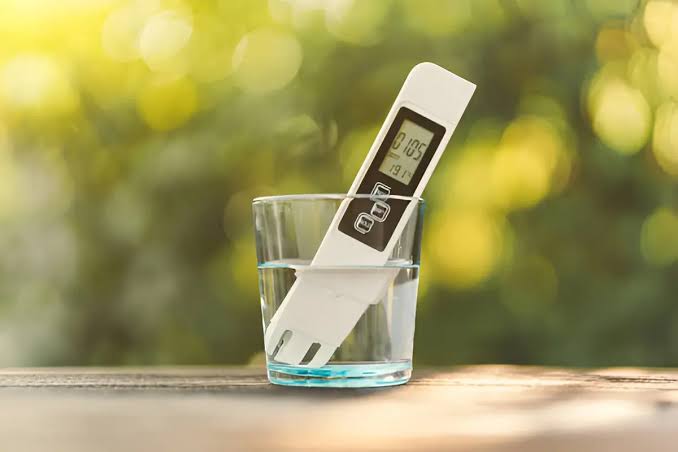
Discuss your operational challenges with experienced professionals and arrange appropriate testing before purchasing equipment.
It’s worth spending a little extra time getting the specifications right. Choosing unsuitable equipment can create years of unnecessary maintenance expenses and frustration.
When Businesses Need Greater Control Over Water Purity
Some commercial applications require treatment that goes beyond conventional filtration and hardness reduction. Dissolved salts, minerals, and other substances may influence finished products or interfere with specialized equipment.
For these situations, commercial reverse osmosis offers a membrane-based treatment approach capable of reducing many dissolved substances through a pressure-driven separation process.
This technology can be particularly useful for beverage preparation, selected food production applications, and manufacturing processes with specific water requirements.
A coffee shop provides a relatable example. Water composition can influence extraction and beverage flavor, making controlled mineral levels important for achieving dependable results.
However, removing as many minerals as possible isn’t always the goal. Some applications require remineralization or blending to achieve suitable water characteristics.
Reverse osmosis equipment also produces a concentrate stream that requires appropriate management.
Before installation, consider membrane protection, treated water storage, production capacity, recovery efficiency, and ongoing operating expenses.
A thoughtfully designed arrangement balances treatment performance with practical business considerations.
Look at the Bigger Financial Picture
When purchasing commercial equipment, it’s easy to focus on the initial price. Understandable, really, especially when several other business expenses demand attention.
But water treatment is a long-term investment.
Replacement filters, regeneration salt, electricity, water consumption, and professional servicing all contribute to ownership costs.
There’s also the potential cost of leaving existing water problems unresolved. Frequent descaling, inefficient heating equipment, and unexpected maintenance appointments can gradually affect operating budgets.
Appropriate treatment may help reduce some of these expenses, although actual savings depend on water conditions, equipment design, and usage patterns.
Comparing realistic long-term costs gives business owners a better understanding of an investment’s potential value.
Keep Your Treatment Equipment Working Reliably
Even high-quality water treatment equipment requires regular maintenance. Filters accumulate particles, softening systems need regeneration, and membranes can gradually lose performance through fouling.
Establish a maintenance schedule that reflects your operating conditions and manufacturer recommendations.
Keep water testing results and servicing records accessible. Monitoring changes in water pressure, hardness, and treated water composition can help identify developing problems.
Where possible, arrange servicing during quieter business hours to minimize operational interruptions.
A manageable maintenance routine is considerably easier than dealing with an unexpected equipment failure during your busiest working day.
Better Water Is an Investment in Everyday Business Performance
Water treatment might not be the most exciting business improvement, but its influence reaches surprisingly far.
Start with reliable testing, establish clear treatment objectives, and select equipment that fits your operational requirements and long-term budget.
Whether you’re running a small restaurant or managing a demanding commercial facility, dependable water supports the equipment and people responsible for keeping everything moving.
The best treatment systems often go unnoticed. They simply do their job while everyone else gets on with theirs.
For a busy business owner, that kind of quiet dependability is worth a great deal.