Water quality is something most people don’t think about until they notice a change. Maybe the water has started leaving white marks on faucets, the taste feels a little different, or there’s an unusual smell when filling a glass. Sometimes, nothing appears wrong at all. Yet, homeowners may still have questions about what their water contains and whether it is suitable for everyday use. That’s where proper testing and clear reporting become genuinely useful.
Understanding the condition of household water doesn’t necessarily require a background in chemistry. It does, however, require accurate information, reliable testing, and someone willing to explain the results in plain language instead of simply handing over a sheet filled with numbers.
Why Water Testing Matters More Than We Realize
Water travels through a long journey before reaching a home’s kitchen or bathroom. Depending on its source, it may pick up minerals, sediment, naturally occurring substances, or contaminants along the way. Municipal water is generally treated and regulated, but changes in plumbing, local conditions, or the water supply itself can still influence what comes out of the tap.
Private wells are another consideration. Their quality can change because of rainfall, groundwater conditions, nearby land use, or aging equipment. A well that provided good water for years isn’t automatically guaranteed to remain the same.
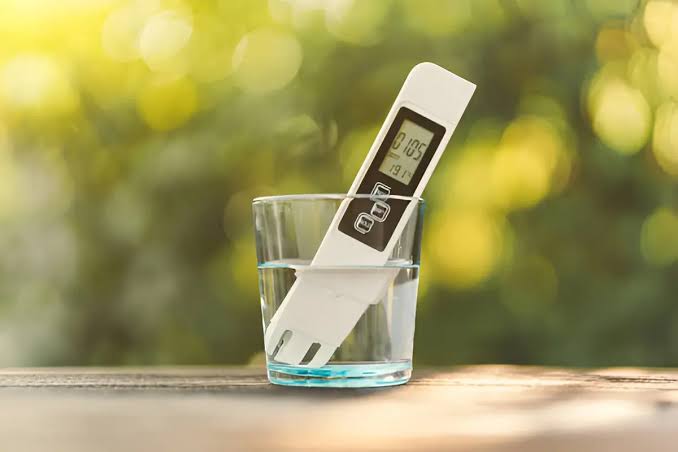
Regular water quality testing and reporting helps homeowners understand what’s actually happening rather than relying on appearance, smell, or taste. After all, clear water isn’t always an indication of clean water, and unpleasant-tasting water isn’t necessarily unsafe. Testing helps separate noticeable problems from those that may require closer attention.
What a Professional Water Analysis Can Reveal
A water test can examine several different characteristics, depending on the concerns being investigated. Hardness is one of the most common. Calcium and magnesium minerals can contribute to scale buildup, spots on dishes, reduced soap performance, and extra maintenance around appliances.
Other tests may examine pH, iron, manganese, chlorine, dissolved solids, nitrates, or microbiological indicators. Which parameters matter most depends on the source of the water and the household’s circumstances.
A professional water analysis is particularly helpful because testing can be selected according to specific concerns rather than treating every home as if it has the same water problems. For example, a homeowner experiencing reddish stains might need to investigate iron, while someone noticing a strong chlorine taste may want to understand the disinfectant levels and treatment options.
The goal isn’t to find as many problems as possible. It’s to identify relevant information and make decisions based on evidence.
How to Read the Numbers Without Feeling Overwhelmed
Water reports can look intimidating at first. They often contain abbreviations, measurement units, reference ranges, and technical terminology. It’s easy to look at a result and immediately wonder whether a high or low number means something serious.
Start by identifying the parameter being measured. Then check the reported value, the unit of measurement, and any applicable reference limit or guideline. These details matter because two results may look similar numerically but represent completely different substances or measurement scales.
For example, hardness may be reported in parts per million or milligrams per litre, while pH is measured on a different scale. Comparing them directly wouldn’t make sense.
When reading a home water quality report, homeowners should also consider the difference between aesthetic concerns, equipment-related issues, and potential health concerns. Mineral deposits may be frustrating and expensive to clean, but they don’t necessarily indicate a health hazard. Conversely, certain contaminants may not produce any noticeable taste, smell, or colour.
If a report includes results that exceed a health-related guideline, it’s important to understand the specific substance, the testing method, and the recommended next steps. Guesswork isn’t helpful here, and neither is unnecessary panic.
Choosing Solutions Based on Actual Results
Once the test results are understood, the next step is deciding whether treatment is necessary. This is where homeowners sometimes get ahead of themselves. Buying a filtration system before knowing what needs to be addressed can lead to wasted money and disappointing results.
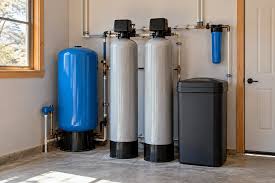
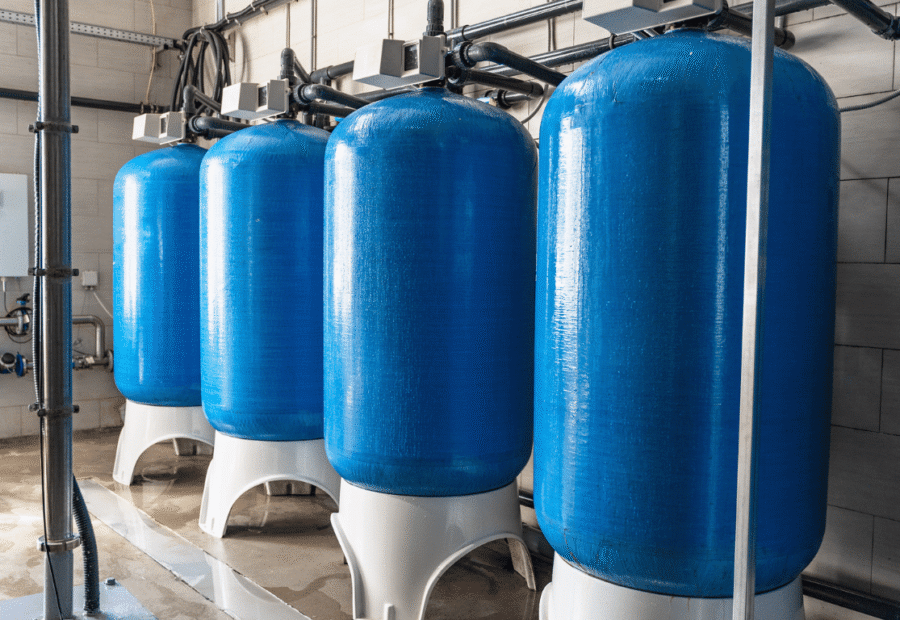
Different technologies serve different purposes. Water softeners are designed primarily to reduce hardness minerals. Activated carbon filtration can help improve taste and reduce certain chemicals. Reverse osmosis systems are capable of reducing a range of dissolved substances, although performance depends on the system and the specific contaminant. UV treatment is commonly used for microbial concerns when appropriately designed and maintained.
No single system is the right answer for every home. Treatment should match the water conditions, household needs, available space, maintenance expectations, and budget.
A thoughtful water professional should explain why a particular solution is being recommended, what it can realistically remove, and what maintenance will be required over time. That conversation is often just as important as the equipment itself.
The Value of Clear Guidance and Follow-Up
Testing shouldn’t feel like a one-time transaction. Homeowners deserve the opportunity to ask questions, understand their results, and revisit concerns when something changes. Good reporting makes that process easier by providing a record that can be compared with future test results.
Changes in taste, staining, plumbing work, flooding, or a change in water source may justify additional testing. For homes using private wells, periodic monitoring is especially important because groundwater conditions can shift without obvious warning.
A useful report doesn’t simply tell someone what is present in their water. It helps them understand what the findings mean, which issues deserve attention, and what steps make sense next.
Better Decisions Begin With Better Information
Water quality can feel like a complicated subject, but it becomes much more manageable when the information is accurate and explained properly. A little clarity can save homeowners from unnecessary expenses, poorly chosen equipment, and lingering doubts about the water they use every day.
In the end, the best approach isn’t to assume everything is fine or to treat every possible concern as a crisis. It’s to test when appropriate, understand the findings, and make practical decisions with confidence. That simple process can bring something valuable to any household: peace of mind, backed by information rather than assumptions.